Baphia nitida G.Lodd.
Summary
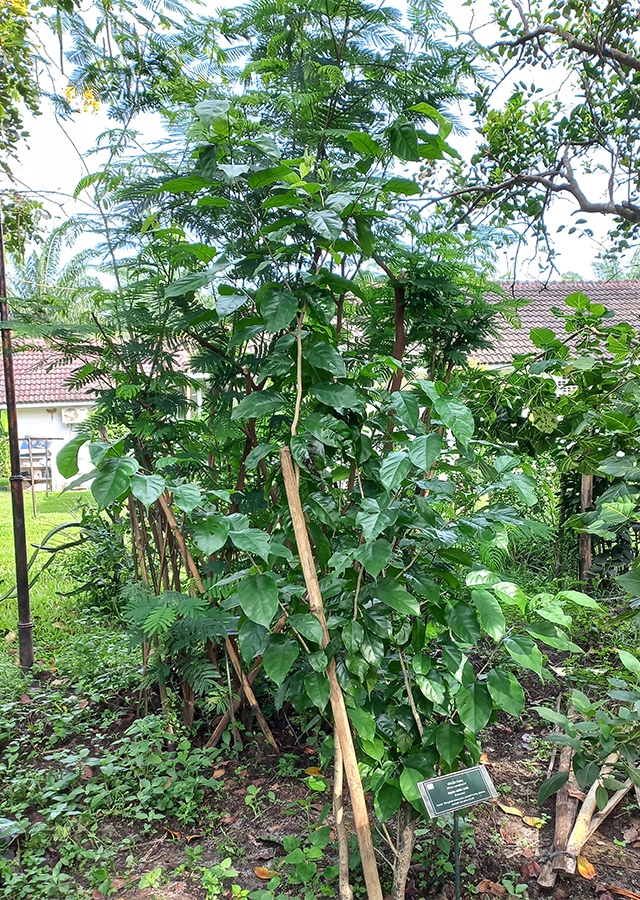
Cendana afrika (Baphia nitida) is a shrub or small tree 2.5-10 meters tall of the Fabaceae family, growing wild in tropical West Africa from Gabon to Senegal. Its wood produces a natural red dye for raffia and silk textiles, while in some regions the tree is considered sacred and protective against evil spirits. Cendana afrika is traditionally believed to cure intestinal inflammation, jaundice, and diabetes.
Agroecology
Baphia nitida grows well and is widely found in moist tropical lowlands, rainforests, secondary forests, and abandoned agricultural land, at elevations from sea level up to 600 m above sea level. Prefers environmental conditions with annual daytime temperatures in the range of 24-30°C, average annual rainfall ranging between 1,500-2,400 mm, but tolerates 1,300-4,500 mm. This plant also prefers a position in full sunlight, but tolerates bright shade, fertile and medium-textured soil, and a soil pH between 5-5.5.
Morphology
- Stem hard, about 45 cm in diameter, slender branches forming an umbrella-shaped crown.
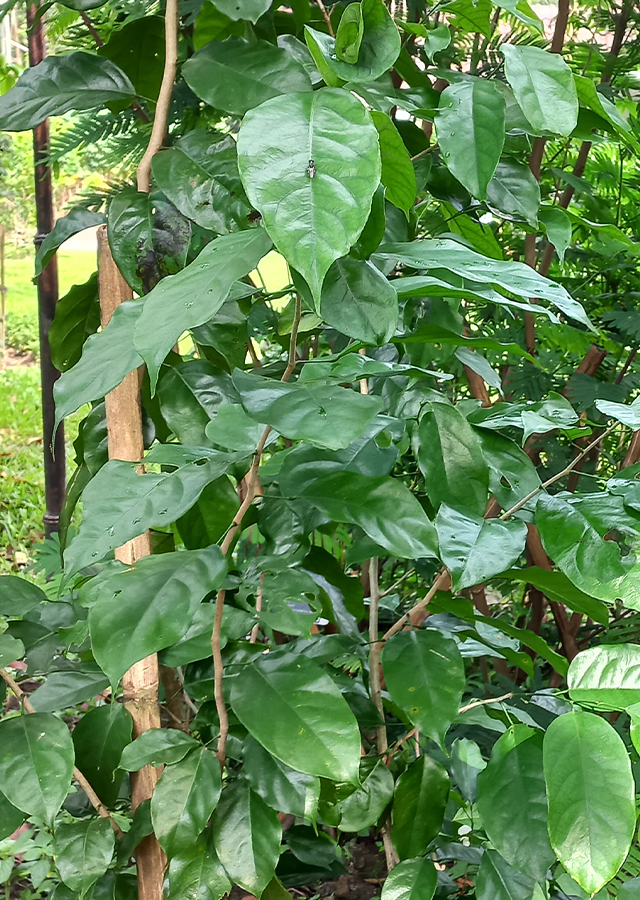
- Leaves green in color, alternately positioned, ovate, elliptical, ovate or lance-shaped blade, rounded to tapering base, tapering tip, slightly rough surface, pinnate venation.
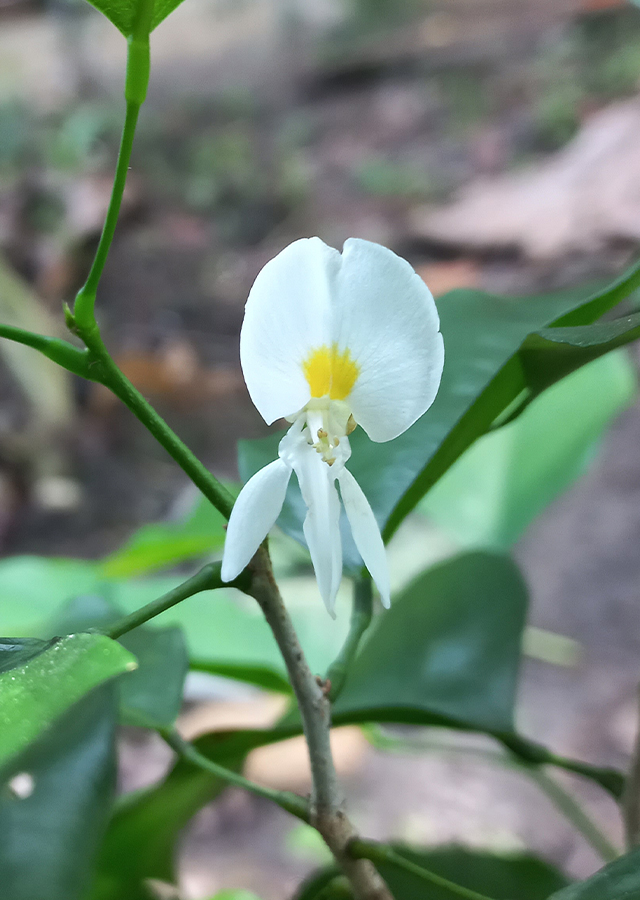
- Flowers white, fragrant, has a bright yellow center, stamens numbering 10.
- Fruit a pod, containing 2-4 seeds.
- Seeds brown, round-flat shaped with an outer line, 1-1.5 cm in diameter.
Cultivation
Propagated generatively (seed) and vegetatively (cuttings taken from somewhat young plant parts).
Chemical Content
Saponin glycosides, flavonoid, tannin, phlobatannin, terpenes, and cardiac glycosides.
Benefits
Cures intestinal inflammation and digestive problems, jaundice, diabetes, constipation, heals wounds, epilepsy, heart pain, asthma, ringworm, parasitic skin disease, stiff and swollen joints, sprains, rheumatic complaints, has hemostatic (stops bleeding) and anti-inflammatory activity.
Simplisia
- Prepare root, wash thoroughly with running water then drain.
- Dry in direct sunlight for several days or with an oven at 40°C until moisture content reaches 10%.
- Store the simplisia in a clean, airtight plastic or container.
Local Names
No information found. Further research needed.
Traditional Recipes
The following recipes reflect traditional knowledge passed down through generations, not a substitute for professional medical diagnosis or advice. Consult a healthcare provider before use.
1. Diabetes and jaundice
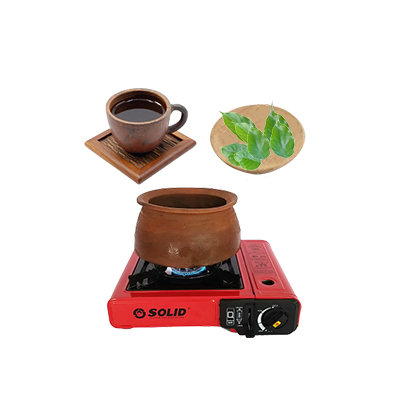
- Take cendana afrika leaves then wash thoroughly.
- Boil the leaves until boiling.
- Strain the decoction.
- Drink.
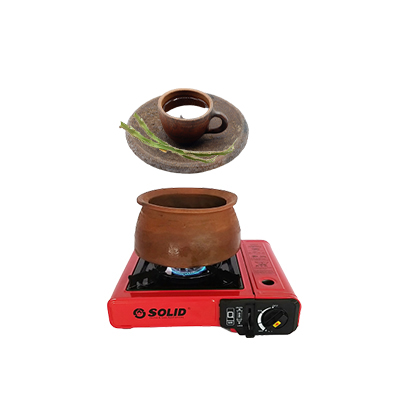
2. Epilepsy
- Prepare cendana afrika bark then wash thoroughly.
- Boil the bark until boiling.
- Strain the decoction.
- Drink.
Reference Sources
- Onyekwere BC, Echeme JO, Uchegbu RI. 2014. Isolation and Characterization of Baphianoside from the leaves of Baphia nitida. Journal of Natural Sciences Research. 4(19).
- Plants of the World Online. 2021. Baphia nitida G.Lodd. http://www.plantsoftheworldonline.org/taxon/urn:lsid:ipni.org:names:480895-1. 31-08-2021.
- PROTA4U. 2015. Baphia nitida (PROTA). https://uses.plantnet-project.org/en/Baphia_nitida_(PROTA). 31-08-2021.
- Tropical Plants Database. 2021. Baphia nitida. https://tropical.theferns.info/viewtropical.php?id=Baphia+nitida. 31-08-2021.
- Plants For A Future. 2021. Baphia nitida - Lodd. https://pfaf.org/user/Plant.aspx?LatinName=Baphia+nitida. 31-08-2021.