Beta vulgaris L.
Summary
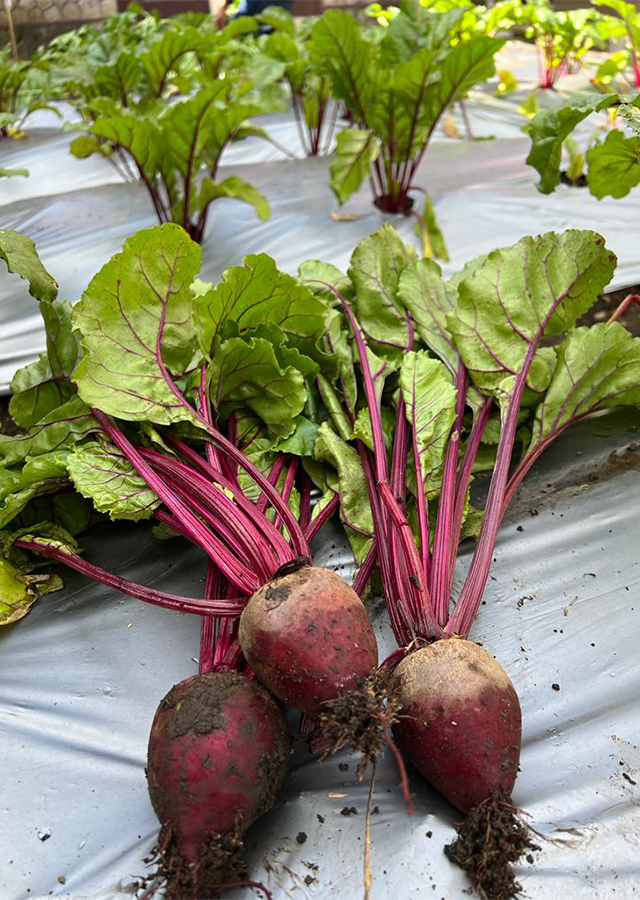
Beet (Beta vulgaris) is a biennial herb about 60 cm tall, up to 2 meters when flowering, from the Amaranthaceae family distributed in Asia Minor and the Mediterranean, cultivated since the 1st century AD. Its root is rich in betanin, a natural red dye used by the food industry in jam and ice cream. Beet has a long history in treating tumors, from Ancient Rome to modern herbal cancer treatment.
Agroecology
Beet is generally found growing in places at elevations above 1,000 m asl. It grows best in areas where the mean annual daytime temperature is in the range of 15-25°C, but can tolerate 4-35°C. This species prefers conditions where mean annual rainfall is in the range of 600-1,500 mm, but tolerates 500-2,500 mm. Beet growth is suited to winter conditions if it is to flower and produce seed, therefore plants grown in tropical regions generally do not produce seed. Beet can grow well in sun or bright shade and succeeds in various soil types. Prefers deep, loose, well-drained soil with abundant organic matter, but grows poorly in clay soil. The optimal soil pH degree ranges between 6.0-6.8, but this plant can tolerate a pH of 5-8.3. Beet is also tolerant of saline soil and soil with manganese toxicity.
Morphology
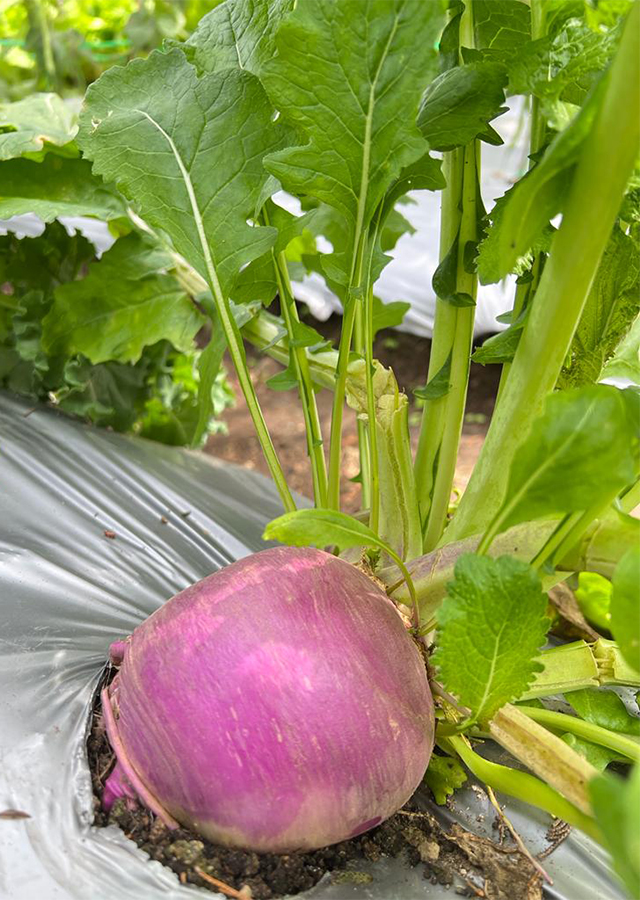
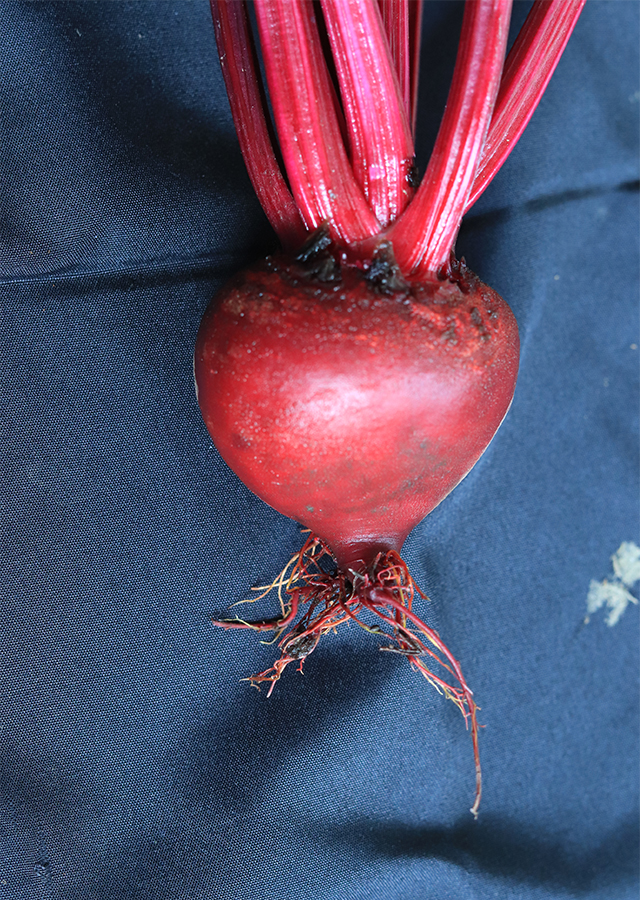
- Roots a taproot that grows into a tuber, large, fleshy, red, dark to purple, but can also be yellow or white.
- Stem has a short underground stem connected to the taproot.
- Leaves unifoliate, basal forming a rosette, arising from the swollen lower stem, oblong shaped, with prominent red, yellow, or white venation, leaves green.
- Flowers small, bisexual, greenish, stalkless. Each flower consists of 3 carpels, 5 stamens, and 5 sepals (the outermost layer of the flower) without petals, with a narrow green bract below it that is a modified leaf. Inflorescence a raceme.
- Fruit dry and indehiscent.
- Seeds single-seeded, round to kidney shaped. Seeds horizontal with a thin testa, starchy albumen, and an annular embryo.
Cultivation
- Propagation is done generatively using seed.
- The root can be harvested 7-8 weeks after planting, and new leaves can be harvested from plants that have not yet matured.
Chemical Content
Saponins, betaine phytosterin, betanin, betalains (betacyanin, betaxanthins), isoleucine, leucine, tyrosine, tyrosinase, lysine, arginine, histidine, phenylalanine, urease, flavonoids, neobetanin, anthocyanins, pentose, amino acids, steroids, folic acid.
Benefits
Treats itching, ulcers and wounds, bruises, boils, diabetes, anemia, jaundice, liver and kidney disease, lowers cholesterol, clears scabs and dandruff, prevents hair loss, relieves toothache, stimulates the immune and hematopoietic (blood-forming) systems, a tonic for women, helps in treating tumors, leukemia and cancer (breast, esophageal, glandular, head, intestinal, leg, lip, lung, prostate, rectal, spleen, stomach, and uterine cancer). Has cooling and diaphoretic properties, expectorant, diuretic, laxative, aphrodisiac, antioxidant, anti-inflammatory, antimicrobial.
Simplisia
- Prepare an adequate amount of fresh beet root, wash clean with running water.
- Cut the root into pieces to make it easier to dry.
- Dry under the sun or with an oven at 40°C until the moisture content reaches 10%.
- Store in a clean, airtight container.
Local Names
Informasi tidak ditemukan. Butuh penelusuran lebih lanjut.
Traditional Recipes
The following recipes reflect traditional knowledge passed down through generations, not a substitute for professional medical diagnosis or advice. Consult a healthcare provider before use.
1. Boils
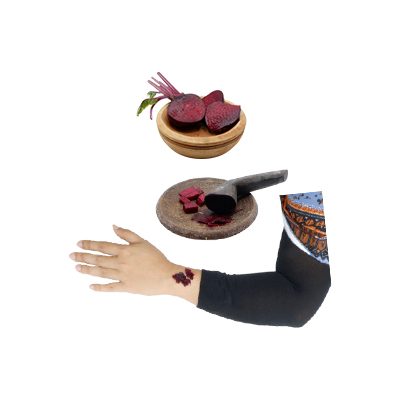
- Prepare an adequate amount of fresh beet root.
- Clean off any attached dirt by washing in running water.
- Grind until it becomes a paste.
- Apply to the boil.
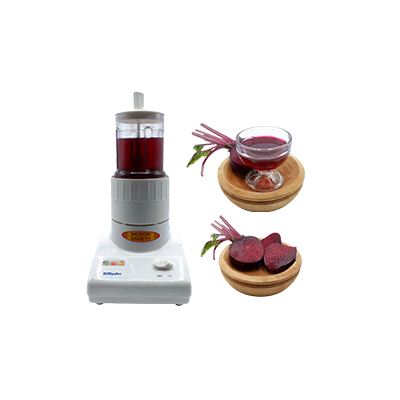
2. Lowers cholesterol
- Take an adequate amount of fresh beet root.
- Clean off any attached dirt by washing in running water.
- Grind/blend, adding an adequate amount of water.
- Strain, then drink every day for 2 weeks.
Reference Sources
- Flora Fauna Web. 2021. Beta vulgaris (Garden Beet Group). https://www.nparks.gov.sg/florafaunaweb/flora/8/0/8074. 23-12-2021.
- StuartXchange. 2021. Philippine Alternative Medicine: Beet. http://www.stuartxchange.org/Beet.html. 23-12-2021.
- Royal Botanic Gardens. 2021. Plants of the World Online: Beta vulgaris L. https://powo.science.kew.org/taxon/urn:lsid:ipni.org:names:164505-1. 23-12-2021.
- The Plant List. 2013. Beta vulgaris L. http://www.theplantlist.org/tpl1.1/record/kew-2675613. 23-12-2021.
- Useful Tropical Plants Database. 2021. Beta vulgaris. http://tropical.theferns.info/viewtropical.php?id=Beta+vulgaris. 23-12-2021.
- Nikan M., Manayi A. 2019. Beta vulgaris L. Nonvitamin and Nonmineral Nutrition Supplements. https://www.sciencedirect.com/topics/agricultural-and-biological-sciences/beta-vulgaris. 23-12-2021.