Beta vulgaris subsp. vulgaris L.
Summary
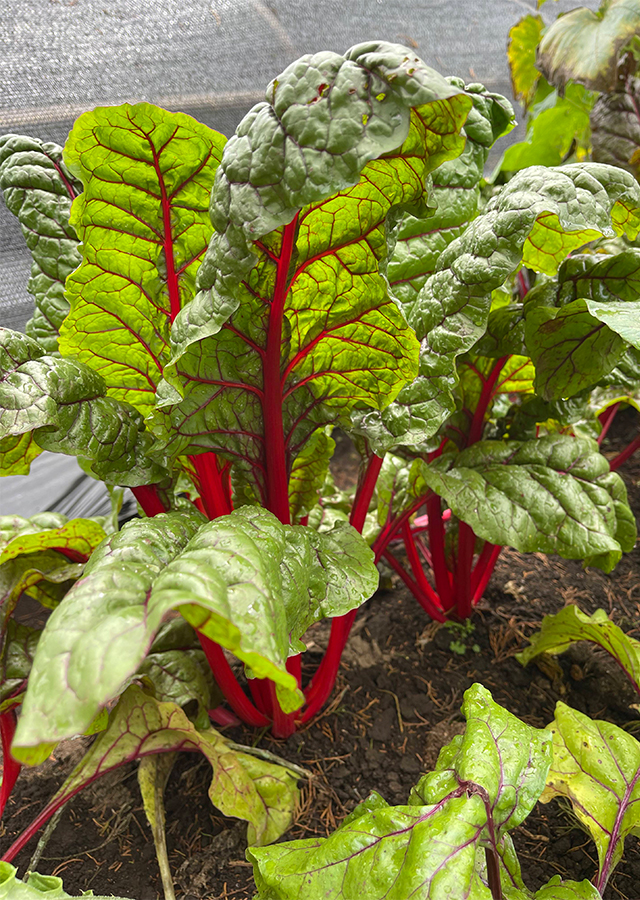
Beta vulgaris subsp. vulgaris, known as Swiss chard or rhubarb chard swiss even though its name mentions Switzerland, actually originates from the Mediterranean and Europe region. Its young leaves are commonly eaten as a salad while older ones are cooked or sautéed, and thanks to its bright red stems, this plant is also popular as an ornamental. Its phytonutrient content, vitamins K, C, A, and minerals make this vegetable a good source of antioxidants and anti-inflammatory compounds to prevent cell damage from free radicals.
Agroecology
Swiss chard is a biennial plant grown as an annual in all temperate zones. This plant is hardy to temperatures around -9°C, but while it does best in cool temperatures, it can tolerate heat with adequate watering. Successful cultivation requires a location that gets full sun, but it grows well if placed in a shaded spot, with soil rich in organic matter and good drainage. To determine your soil's characteristics, conduct a soil test. The ideal pH range is between 6.0 and 8.0, slightly more acidic than beets.
Morphology
- Roots have a deep, strong, and woody root system.
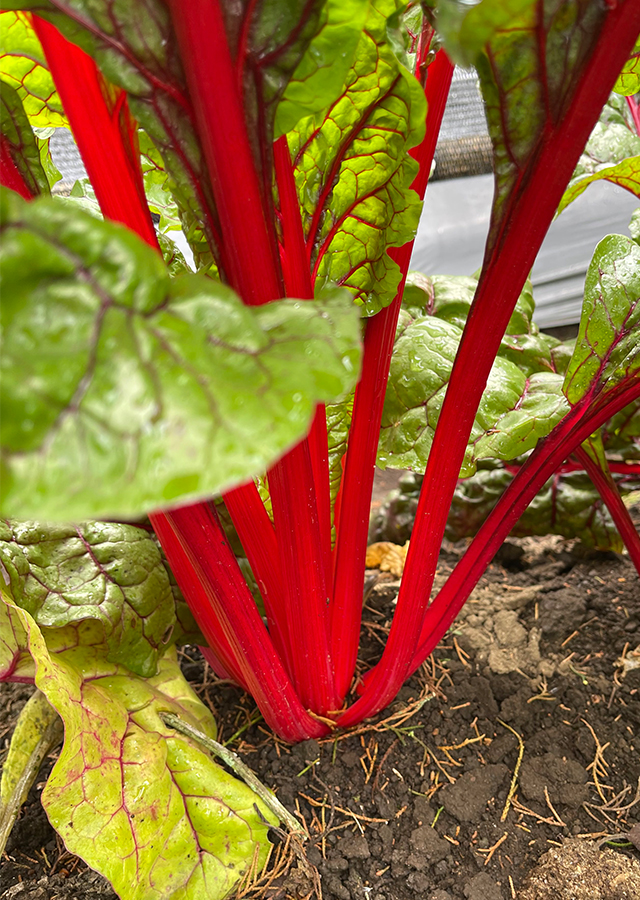
- Stem bright red.
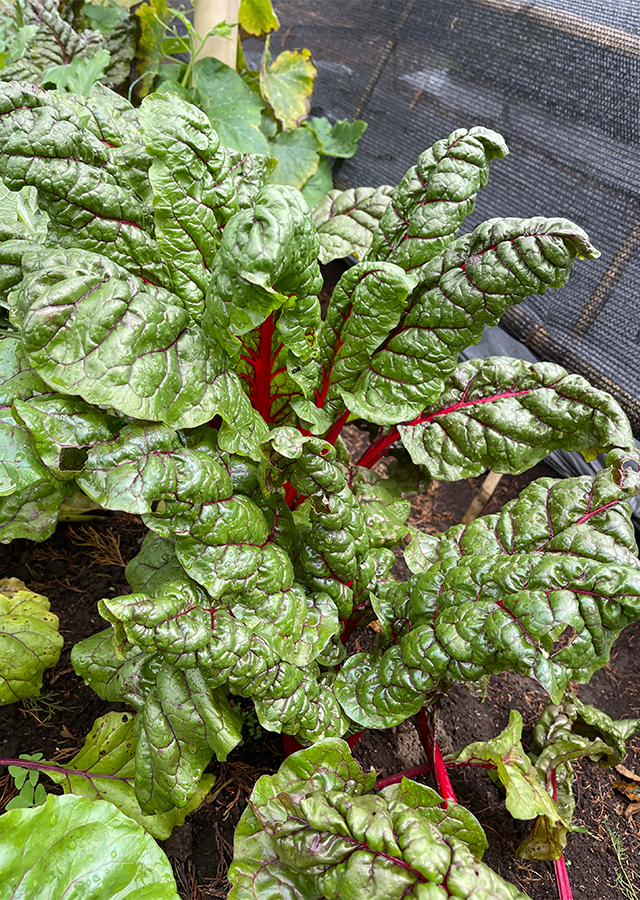
- Leaves wide, wavy, wrinkled, about 37 cm long and 25 cm wide. Leaves dark green, glossy, and crisp. Leaf veins and petioles bright red. Petiole length reaches 25-30 cm.
- Seeds 2 to 8 small seeds.
Cultivation
Propagation can be done using seed. Before planting, Swiss chard seeds should be soaked for 15 minutes in warm water. This method is done to speed up the germination process. Then sow the seed in the planting medium at a depth of 1.2 cm at a soil temperature of 10°C. Transfer the grown seedlings to the garden once they reach 6-8 cm tall. Swiss chard will also regrow shoots after its leaves are cut, so it can be harvested several times a month.
Chemical Content
A source of fiber, betalains, flavonoids, β-carotene, polyphenols.
Benefits
Prevents diabetes, prevents cancer, keeps bones healthy, improves brain intelligence, promotes blood circulation, maintains blood pressure, stops bleeding from wounds, good for eye and hair health.
Local Names
Informasi tidak ditemukan. Butuh penelusuran lebih lanjut.
Traditional Recipes
The following recipes reflect traditional knowledge passed down through generations, not a substitute for professional medical diagnosis or advice. Consult a healthcare provider before use.
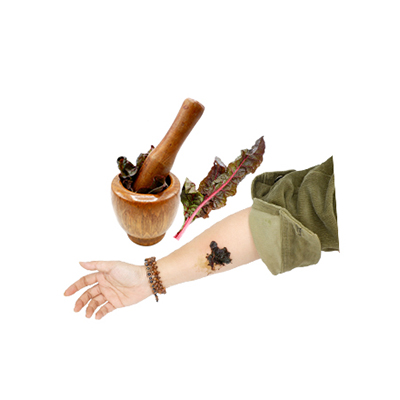
1. Stops bleeding from wounds
- Take an adequate amount of Swiss chard leaves and wash until clean.
- Grind until it becomes a paste.
- Apply the leaf paste as a poultice on the wound to stop bleeding.
Reference Sources
- Royal Botanic Gardens. Plants of the World Online: Beta vulgaris subsp. vulgaris. https://powo.science.kew.org/taxon/urn:lsid:ipni.org:names:165550-3. 21-06-2022.
- Health Benefit Times. 2021. Swiss chard – Beta vulgaris subsp. vulagaris.https://www.healthbenefitstimes.com/swiss-chard/. 21-06-2022.
- Nan Schiller. 2019. How to Plant and Grow Swiss Chard. https://gardenerspath.com/plants/vegetables/grow-swiss-chard/. 21-06-2022.
- Dera. 2020. Swiss Chard, Sayuran Cantik Bergizi Tinggi dengan Batang Warna-warni. https://hortikultura.sariagri.id/63003/swiss-chard-sayuran-cantik-bergizi-tinggi-dengan-batang-warna-warni. 21-06-2022.