Bischofia javanica Blume
Summary
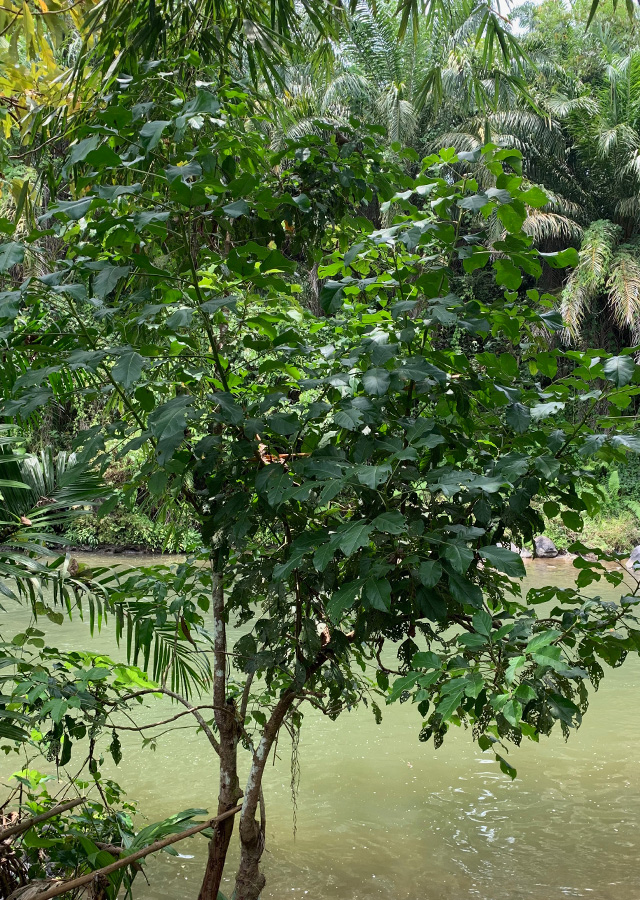
Cingkam (Bischofia javanica) is a large tree of the Phyllanthaceae family that can grow up to 40 meters tall with a trunk diameter of up to 150 cm, widely distributed from South and Southeast Asia to Australia and China. Its timber has economic value as building material, while its young leaves are commonly eaten as a side dish or salad by the Batak people. Its bark is traditionally used to treat diarrhea, stomach ulcers, and wounds.
Agroecology
This plant grows well at elevations of 400-1,700 m above sea level. It is often found not far from streams and shaded valleys, and thrives in loose, deep soil—whether clayey, sandy, or rocky—with adequate moisture and full sun.
Morphology
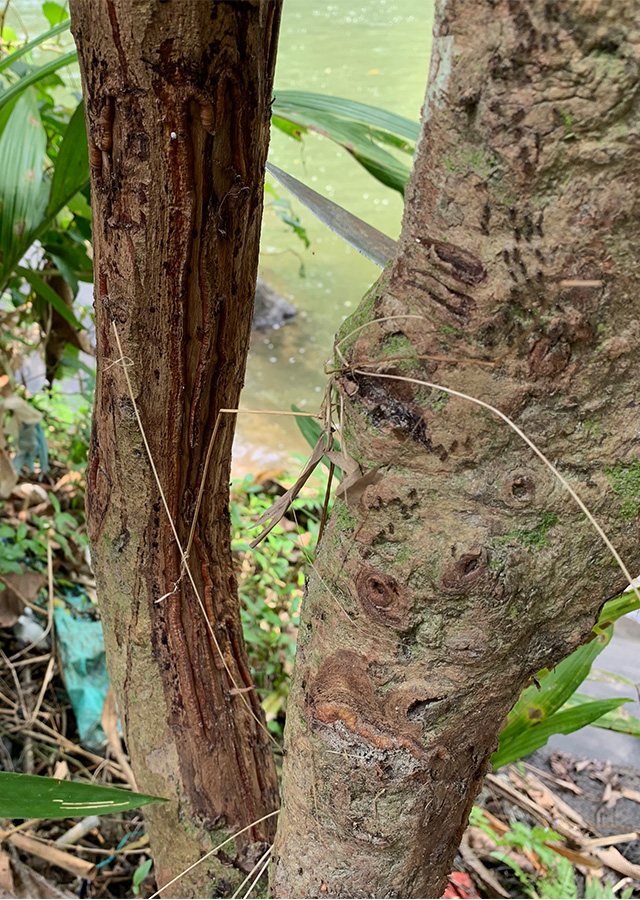
- Trunk somewhat crooked, with short branches, exuding a clear red sap, watery to somewhat jelly-like.
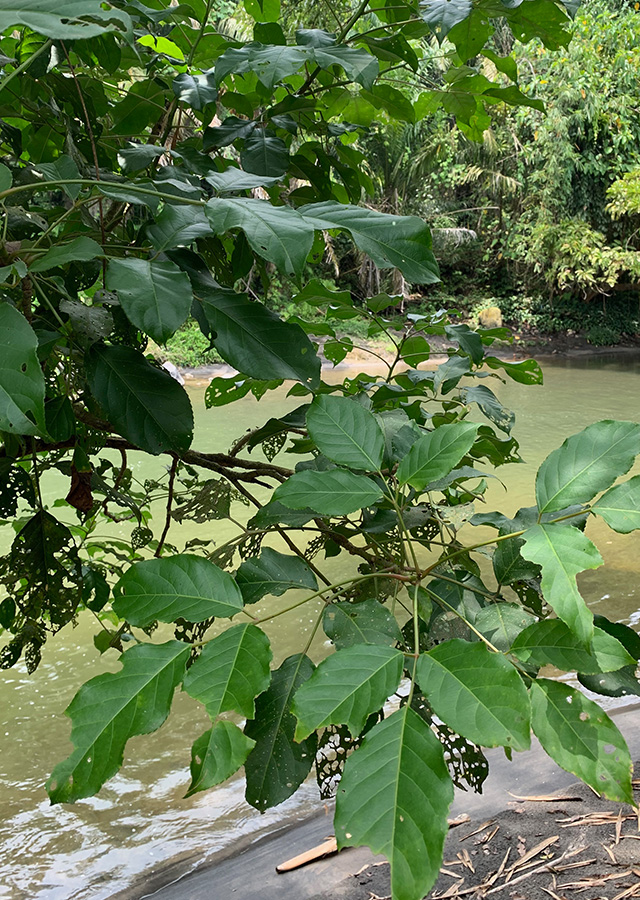
- Leaves spirally arranged, compound, trifoliate, with ovate leaflets and pinnate venation.
- Flowers small, greenish; male flowers have sepals fused at the base.
- Fruit round, 1.2-1.5 cm across, latex-bearing, bluish-black when ripe.
- Seeds brown, oblong.
Cultivation
Propagated from seed, stem cuttings, shoot cuttings, or even root cuttings.
Chemical Content
Flavonoids, lenersetin, sitosterol, stearic acid, linolenic acid, palmitic acid, ellagic acid.
Benefits
Anti-leukemic, anti-inflammatory, antimicrobial, antiallergic, anti-diarrheal; treats burns; stimulates hair growth; treats dry cough. Bark: can treat wounds, diarrhea, stomach ulcers, acid reflux; used as a mouthwash.
Simplisia
- Select fresh cingkam leaves. Remove any adhering debris. Wash and drain.
- Slice the leaves and place on a drying tray for several days, covered with a thin dark cloth, or use an oven at 40 °C.
- Once dry, place in clean, tightly sealed, airtight plastic.
Local Names
Singkam (Batak), Tingkeum (Gayo, Aceh), Gintungan, Gintung, Gentung, Ginting keranjang (Java), Gadog, Ki maung (Sunda), Marintek, Kayawu (Minahasa), Simamo (Ternate).
Traditional Recipes
The following recipes reflect traditional knowledge passed down through generations, not a substitute for professional medical diagnosis or advice. Consult a healthcare provider before use.
1. Dry Cough
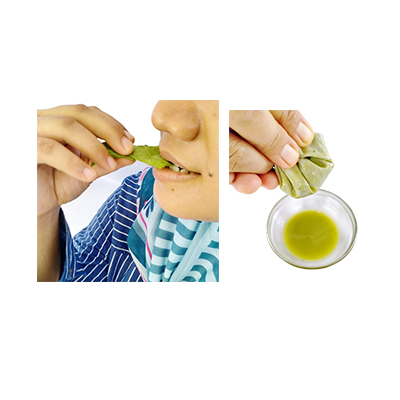
- Prepare 1-2 handfuls of young cingkam leaves.
- Can be eaten directly, or pounded first and the juice squeezed out; drink every morning and evening.
Reference Sources
- Kinho Julianus, Irawati Diah dkk. 2011. Tumbuhan Obat Tradisional di SULUT jilid II. Balai Penelitian Kehutanan Menado.