Brassica juncea (L.) Czern
Summary
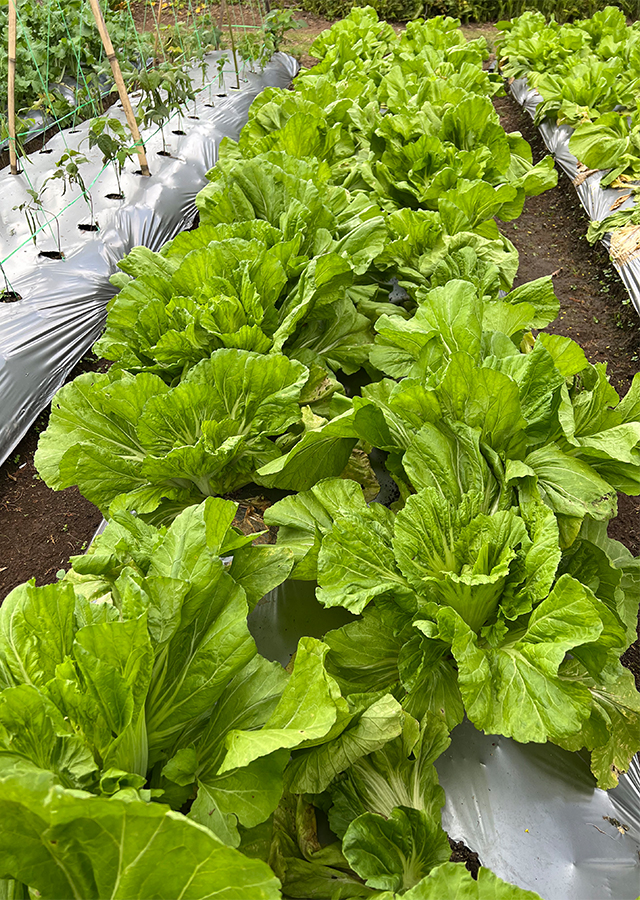
Sawi pahit (Brassica juncea) is an annual herb up to 50 cm tall from the Brassicaceae family native to Central Asia, divided into four main cultivar subgroups. Its bitter-pungent taste is popular as a cooked vegetable and raw side dish, while its seeds are added to mustard and salads. Sawi pahit is traditionally used as a warming stimulant with antibiotic effects and a remedy for rheumatism.
Agroecology
Sawi pahit can grow in tropical lowlands as well as in much cooler conditions. This plant is reported to tolerate a temperature range of 6-37°C and annual rainfall of 500-4,000 mm. Succeeds in full sun in most fertile, well-drained, moisture-retentive soils. Prefers heavier soil and slight shade. Dislikes very hot weather. The plant tolerates high rainfall and, although fairly deep-rooted, is not very drought-tolerant. Tolerates a pH range of 4.3 to 8.3.
Morphology
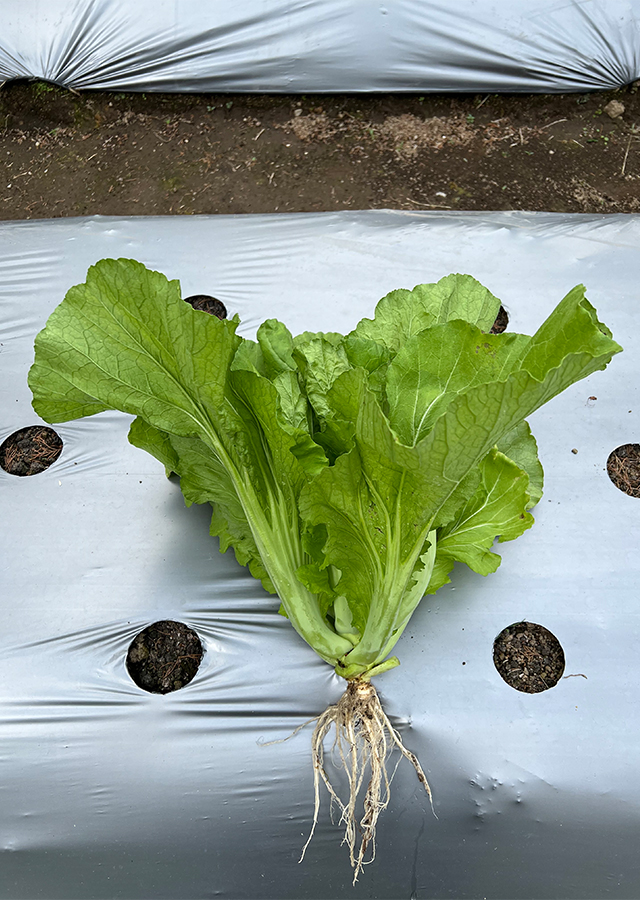
- Roots a taproot (radix primaria) with elongated (cylindrical) root branches spreading in all directions to a depth of 30-50 cm.
- Stem very short and jointed so it is almost invisible.
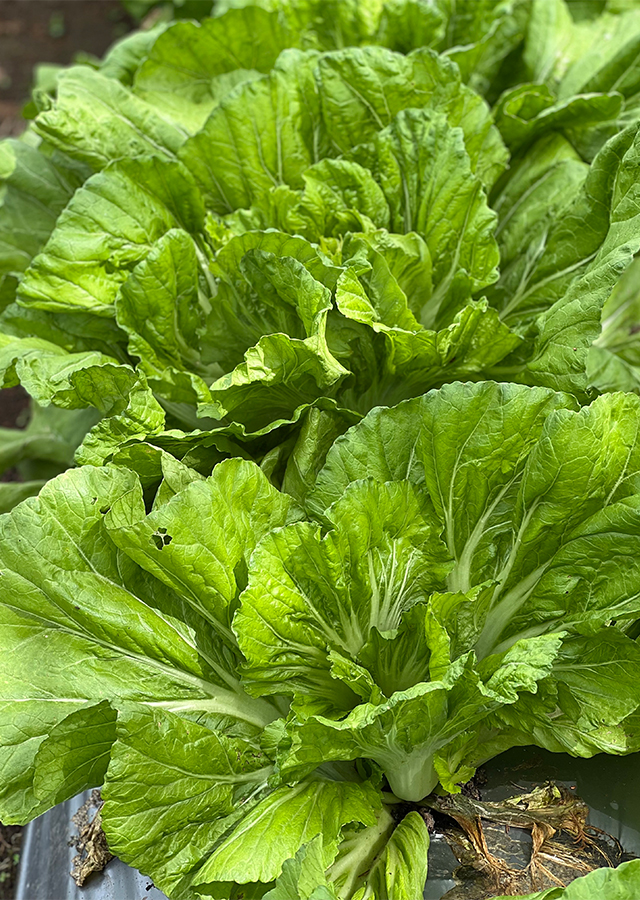
- Leaves winged in structure with long, flattened petioles. Sawi pahit leaves are generally whitish green to dark green.
- Flowers arranged on a flower stalk (inflorescence) that grows elongated (tall) and highly branched. Each mustard flower consists of four sepals, four bright yellow petals, four stamens, and one bilocular pistil.
- Seeds round shaped and very small in size. Sawi pahit seeds are generally blackish, with dozens of seeds formed in 1 flower.
Cultivation
Propagation uses seed. The seeds are sown directly in place. Germination takes place within 5 days at 20-25°C.
Chemical Content
Essential oil, ß-sitosterol and essential fatty acids (linoleic acid and a-linolenic acid), trilinolenin, lutein, and ß-carotene, alkaloids, flavonoids, tannins, saponins, terpenoids, phenolic compounds, benzenepropanoic acid, 3,5-bis(1,1-dimethylethyl)-4-hydroxy-, methyl ester, n-eicosane, n-pentacosane, and n-tetratetracontane.
Benefits
As a warming stimulant with antibiotic effects, as an anodyne, aperitif, diuretic, emetic, rubefacient, a remedy for joint inflammation, leg pain, lower back pain, rheumatism, tumors, abscesses, colds, stomach disorders, as a galactagogue, a remedy for skin eruptions and boils, a sedative and tonic, as a counterirritant, antisyphilitic emmenagogue, relieves headaches, treats inflammation or bleeding.
Simplisia
- Prepare an adequate amount of sawi pahit seeds, wash clean with running water then drain.
- Dry under the sun or with an oven at 40°C until the moisture content reaches 10%.
- Grind using a blender until it becomes powder.
- Store in a clean, airtight container.
Local Names
Informasi tidak ditemukan. Butuh penelusuran lebih lanjut.
Traditional Recipes
The following recipes reflect traditional knowledge passed down through generations, not a substitute for professional medical diagnosis or advice. Consult a healthcare provider before use.
1. Relieves headaches
- Prepare an adequate amount of fresh sawi pahit leaves.
- Wash clean with running water.
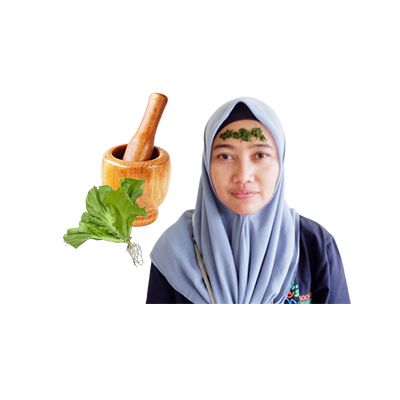
- Grind until it becomes a paste.
- Apply the paste to the forehead to relieve headache.
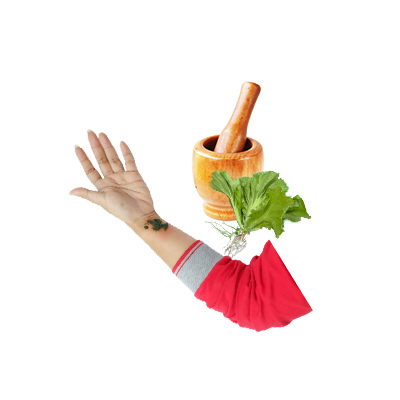
2. Rheumatism
- Take an adequate amount of fresh sawi pahit leaves.
- Wash clean with running water.
- Grind until it becomes a paste.
- Apply the paste to the rheumatic area.
Reference Sources
- Royal Botanic Gardens. 2021. Plants of the World Online: Brassica juncea (L.) Czern.. https://powo.science.kew.org/taxon/urn:lsid:ipni.org:names:60442520-2. 18-12-2021.
- Plants For A Future. 2021. Brassica juncea integrifolia strumata - M.Tsen & S.H.Lee. https://pfaf.org/user/Plant.aspx?LatinName=Brassica+juncea+integrifolia+strumata. 18-12-2021.
- Flora Fauna Web. 2021. Brassica juncea Broad-leaf Mustard Group. https://www.nparks.gov.sg/florafaunaweb/flora/5/9/5940. 18-2021.
- Useful Tropical Plants Database. 2021. Brassica juncea. https://tropical.theferns.info/viewtropical.php?id=Brassica+juncea. 18-12-2021.
- Stuartxchange. 2017. Philippine Medicinal Plants: Mustasa. http://www.stuartxchange.com/Mustasa.html. 18-12-2021.