Brassica oleracea L.
Summary
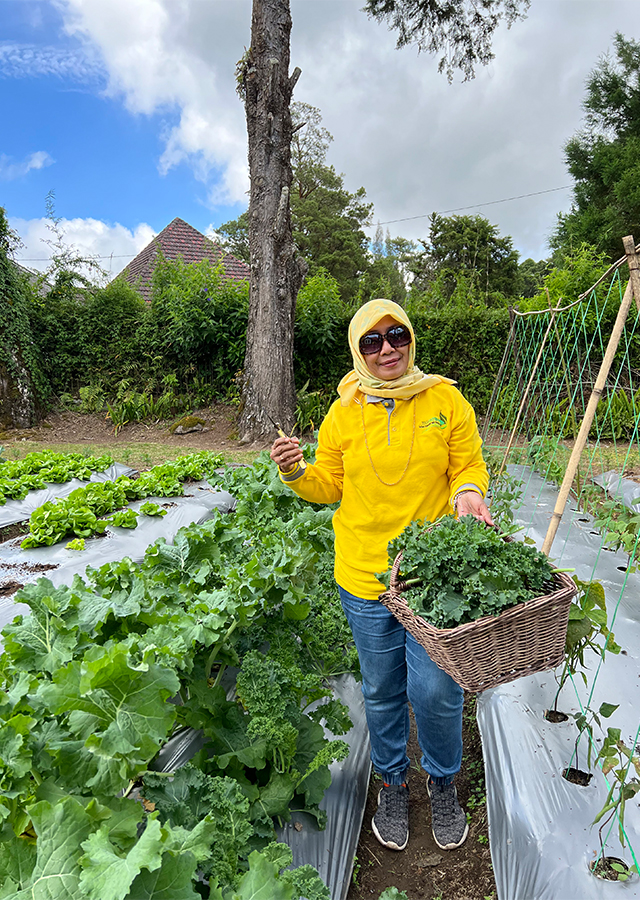
Kale (Brassica oleracea) is an annual or biennial herb 20-30 cm tall from the Brassicaceae family native to Central Asia, now dubbed a 'superfood' or 'queen of vegetables' thanks to its very high nutrient content. One serving of kale contains more than four times the vitamin C of the same serving of spinach. Kale is traditionally used worldwide to prevent and treat various health disorders.
Agroecology
Kale is generally found growing in highland areas. Its growth favors areas with full sun. The preferred soil pH for this plant is around 6-7. This plant also prefers cool air temperatures, and cool environmental conditions will make the taste of kale sweeter.
Morphology
- Roots taproot with many fibrous roots.
- Stem not woody, upright, and light green.
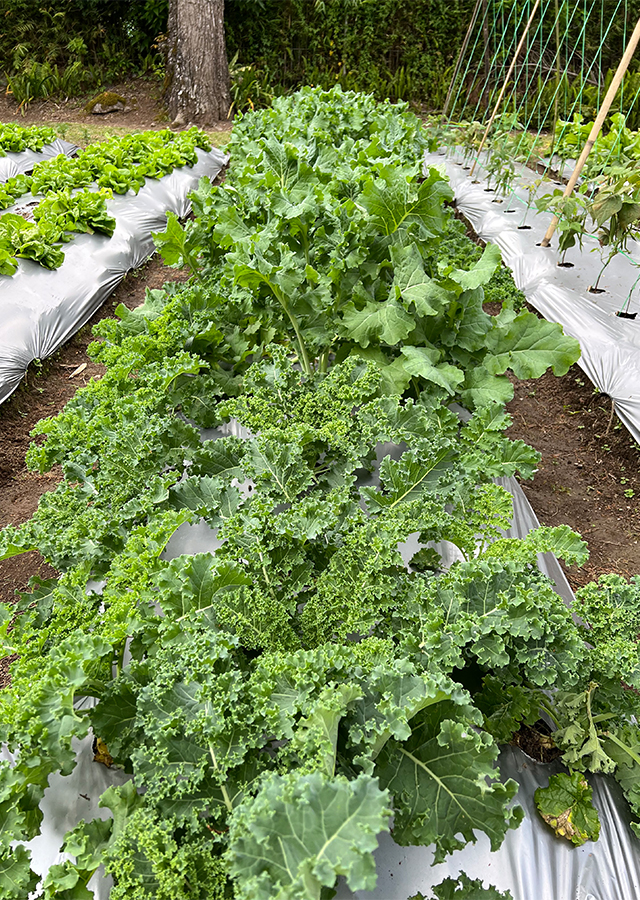
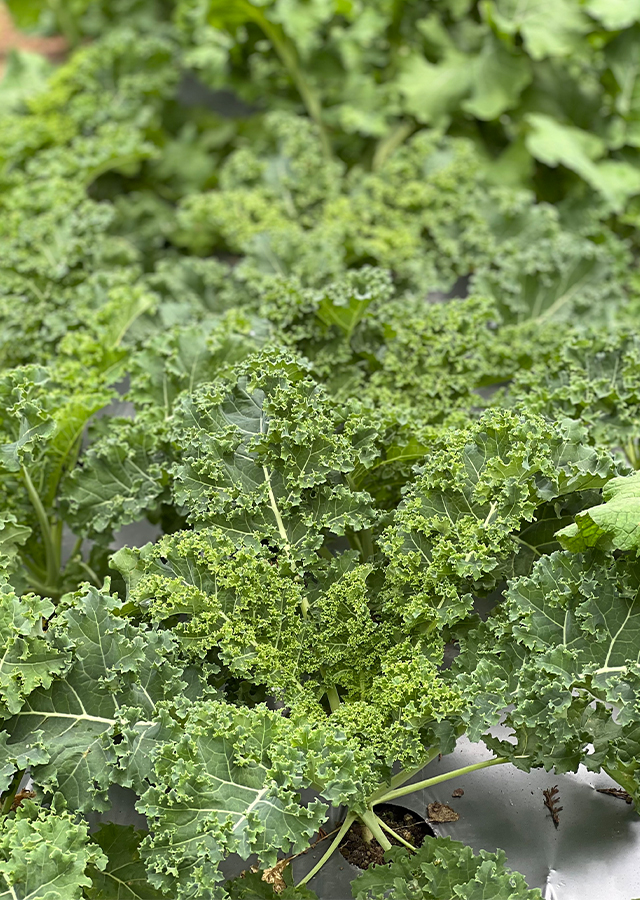
- Leaves a rosette arranged spirally toward the tip of the stemless branch, thin, curly, lobed. The leaf margin has very numerous curls resembling serrations. Leaf and vein color green. Leaf surface glossy. Leaf texture crisp with a strong flavor.
- Flowers perfect, generally yellow, though some are white.
- Fruit pod-shaped, long and slender, seed-bearing.
- Seeds round or elliptical, small, brown to blackish in color, smooth surface.
Cultivation
Propagation is done generatively using seed.
Chemical Content
Carotenoids (lutein, beta-carotene), glucosinolates, phenolic compounds, ascorbic acid, folic acid.
Benefits
Treats gastric ulcers, stabilizes high cholesterol levels, maintains heart health, prevents diabetes, maintains hair and skin health, treats hyperglycemia, rheumatism, and liver disease. Has antioxidant, anticancer, anti-inflammatory activity, and protective effects on the cardiovascular and digestive systems.
Local Names
Kubis keriting.
Traditional Recipes
The following recipes reflect traditional knowledge passed down through generations, not a substitute for professional medical diagnosis or advice. Consult a healthcare provider before use.
1. Lowers cholesterol
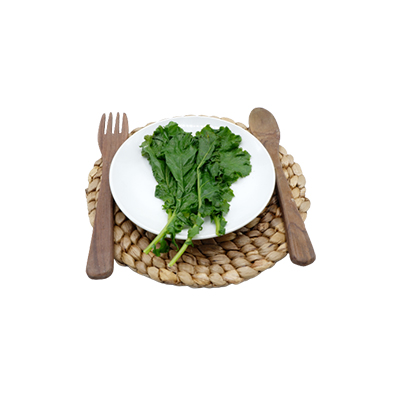
- Prepare 15 g of fresh kale leaves, then wash until clean.
- Steam the kale leaves until half-cooked.
- Eat as a raw side dish.
- In fact, a study shows that steamed kale has the same potential as cholestyramine, a high cholesterol-lowering drug.
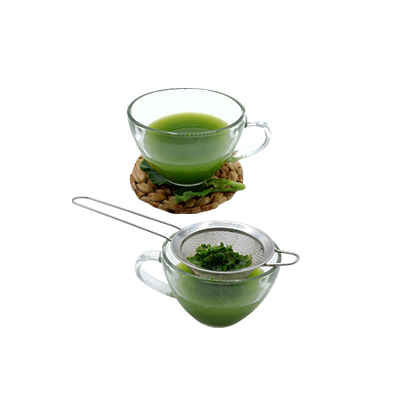
2. Increases good cholesterol (HDL) levels
- Take an adequate amount of fresh kale leaves and wash until clean.
- Blend or grind the kale leaves with a little water.
- Drinking kale juice every day for 12 weeks can increase good cholesterol (HDL) levels by almost 30% and lower bad cholesterol (LDL) by 10%.
Reference Sources
- Royal Botanic Gardens. 2021. Plants of the World Online: Brassica oleracea L. https://powo.science.kew.org/taxon/urn:lsid:ipni.org:names:279435-1. 16-12-2021.
- Hello Sehat. 2021. Berbagai Manfaat Daun Kale, Si Hijau yang Kaya Zat Gizi. https://hellosehat.com/nutrisi/fakta-gizi/manfaat-daun-kale/. 16-12-2021.
- Kurniawan E. 2016. Budidaya Tanaman Kale (Brassica oleracea subsp. acephala). Universitas Djuanda. Bogor.
- Ortega-Hernández E., Antunes-Ricardo M., Jacobo-Velázquez D. 2021. Improving the Health-Benefits of Kales (Brassica oleracea L. var. acephala DC) through the Application of Controlled Abiotic Stresses: A Review. Plants 10. https://doi.org/10.3390/plants10122629.