Brassica oleracea var. alboglabra (L.H.Bailey) Musil
Summary
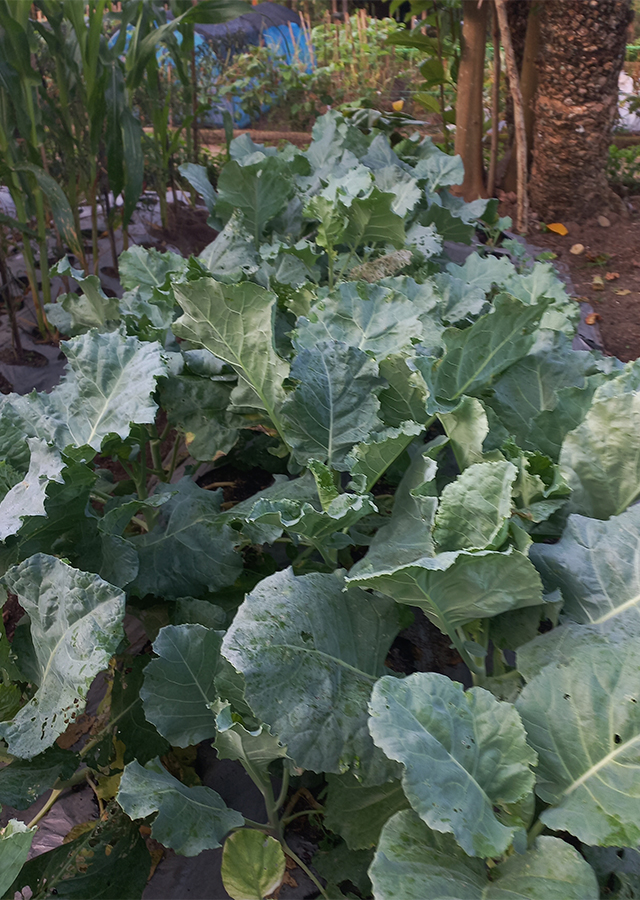
Kailan (Brassica oleracea var. alboglabra), or Chinese kale, is a herb from the Brassicaceae family native to the Mediterranean, the earliest cultivated cabbage variety and now a popular leafy green vegetable typical of Southeast Asia and Southern China. Its leaves, stems, and flower shoots are rich in vitamins A, B, C, K, fiber, and minerals. Kailan is traditionally believed to help prevent arthritis and maintain heart health.
Agroecology
Kailan is suited to loamy to sandy loam soil containing organic matter, with an optimum soil pH of 6-6.8, at elevations of 700-1,500 m asl. The preferred mean daily temperature for kailan is 23-35°C. This species also succeeds in full sun in fertile, well-drained but moisture-retentive soil, though it prefers alkaline soil. Kailan is hardy or able to tolerate some degree of frost after passing the seedling stage, and also tolerates higher summer temperatures than most members of this genus. Kailan's water requirement is in the moderate range, and this species can be grown year-round in tropical regions.
Morphology
- Roots a strongly branched taproot, with many fibrous roots.
- Stem thick, single, upright, narrowly branched or branched at the top, and pale green.
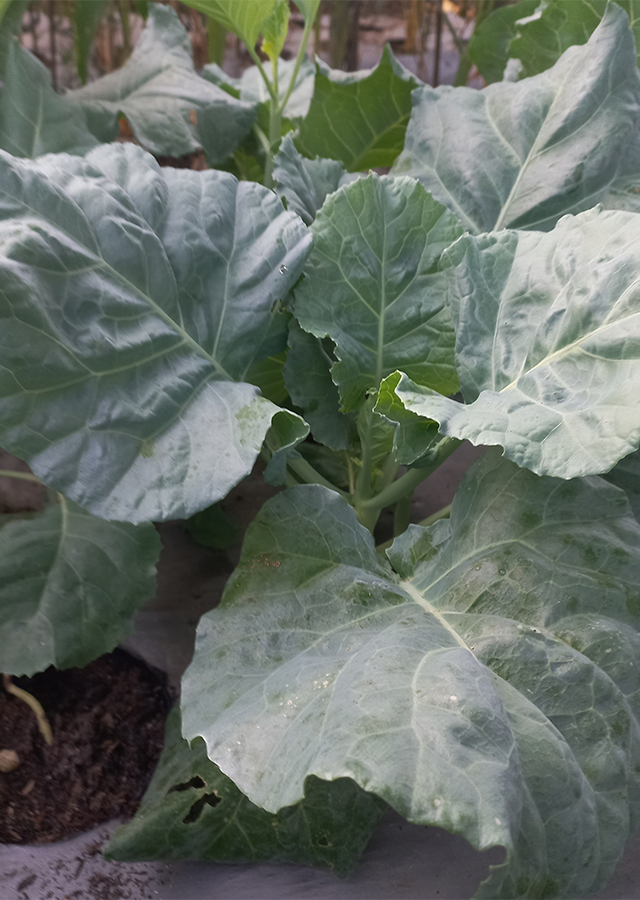
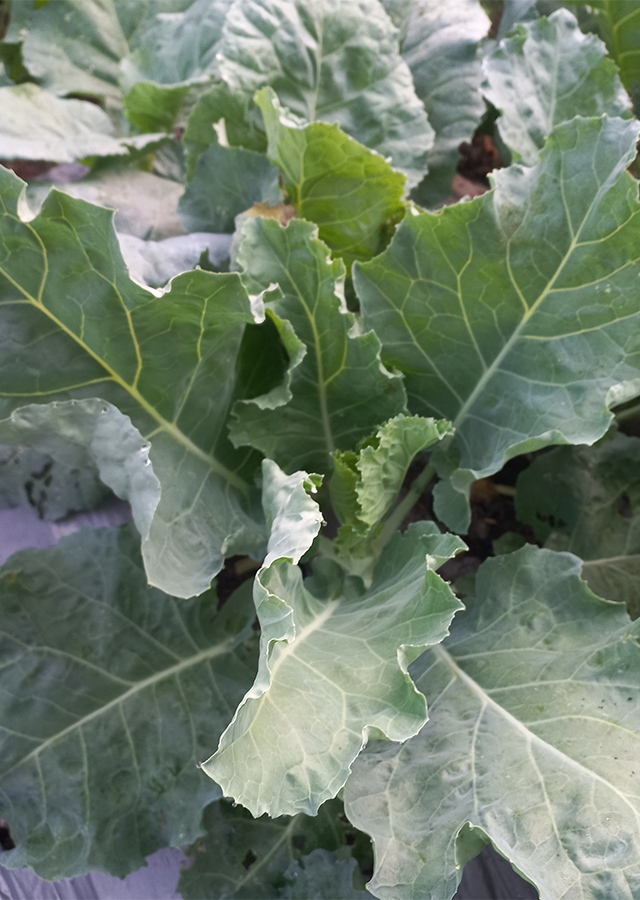
- Leaves alternate, thick, tough, petiolate, ovate to orbicular-ovate shaped, glossy, waxy, green with prominent veins, margin irregularly dentate and often wavy. Petiole thick and fleshy.
- Flowers hermaphrodite (having both male and female organs), white, small, 4-merous with 6 stamens. Flower heads small, like those of broccoli. Kailan flowers occur in clusters arising from the tip of the stem.
- Fruit pod-shaped, long, slender, seed-bearing.
- Seeds small round, brown to blackish in color.
Cultivation
- Propagation is done generatively using seed.
- Seeds germinate 3-5 days after sowing. After 12 days from sowing, seedlings can be transplanted into pots or polybags. Take the seedling medium carefully so as not to damage it and cause many roots to break off. Next, plant the seedling upright in the planting hole then firm the soil around the hole.
- Harvesting can be done after the plant is 45-50 days old.
Chemical Content
Glucosinolates, phenolic compounds, folic acid, flavonoids, ascorbic acid.
Benefits
Prevents rheumatoid arthritis (joint inflammation), promotes heart health, maintains bone health, helps treat lung disorders, heals inflammation, prevents migraines, treats diabetes, lowers cholesterol, smooths skin, prevents cancer, prevents infection. Has antioxidant and antimicrobial activity.
Simplisia
- Prepare kailan leaves, wash clean with running water then drain.
- Sun-dry directly for several days or use an oven at 40°C until the moisture content reaches 10%.
- Store the simplicia in a clean, airtight plastic or container.
Local Names
Informasi tidak ditemukan. Butuh penelusuran lebih lanjut.
Traditional Recipes
The following recipes reflect traditional knowledge passed down through generations, not a substitute for professional medical diagnosis or advice. Consult a healthcare provider before use.
1. Diabetes
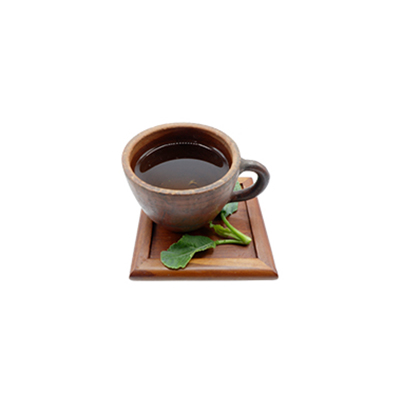
- Prepare an adequate amount of fresh kailan leaves and wash until clean.
- Boil the leaves until it boils.
- Let it cool to warm/cold.
- Strain the decoction then drink.
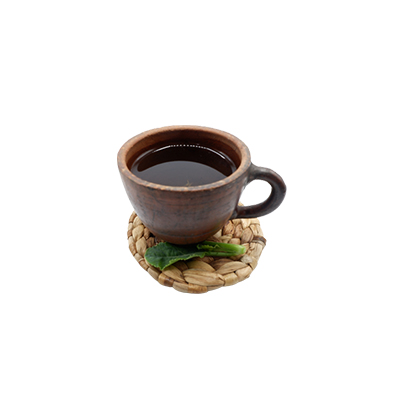
2. Cholesterol
- Take an adequate amount of fresh kailan leaves and wash until clean.
- Boil the leaves until it boils.
- Let it cool to warm/cold.
- Strain the decoction then drink.
Reference Sources
- CAB International. 2021. Invasive Species Compendium: Brassica oleracea var. alboglabra (Chinese kale). https://www.cabi.org/isc/datasheet/10090#toidentity. 16-12-2021.
- Useful Tropical Plants Database. 2021. Brassica oleracea alboglabra. http://tropical.theferns.info/viewtropical.php?id=Brassica+oleracea+alboglabra. 16-12-2021.
- Flora Fauna Web. 2019. Brassica oleracea Alboglabra Group [kailan]. https://www.nparks.gov.sg/florafaunaweb/flora/7/1/7137. 16-12-2021.
- Fathin S. L., Purbajanti E. D., Fuskhah E. 2019. Pertumbuhan dan hasil Kailan (Brassica oleracea var. alboglabra) pada berbagai dosis pupuk kambing dan frekuensi pemupukan Nitrogen. Jurnal Pertanian Tropik 6(2): 438-447.
- RempahID. 2021. Kailan, Chinese Kale, Brassica oleracea alboglabra. https://rempahid.com/brassica-oleracea-alboglabra/. 16-12-2021.
- Health benefits times. 2021. Chinese broccoli-Brassica oleracea var. alboglabra. https://www.healthbenefitstimes.com/chinese-broccoli/. 16-12-2021.
- Murniati S., C. Jose, R. Hendra. PENENTUAN TOTAL FENOLIK, ASAM ASKORBAT DAN AKTIVITAS ANTIOKSIDAN TANAMAN KAILAN (Brassica oleracea var. Alboglabra) YANG DIRAWAT DENGAN EKSTRAK TANAMAN TERFERMENTASI. Jurusan Kimia Fakultas Matematika dan Ilmu Pengetahuan Alam. Universitas Riau.
- Chang J., Wang M., Jian Y, Zhang F., Zhu J., Wang Q., Sun B. 2019. Health-promoting phytochemicals and antioxidant capacity in different organs from six varieties of Chinese kale. Scientific ReportS 9:20344. https://doi.org/10.1038/s41598-019-56671-w.