Brassica oleracea var. gongylodes L.
Summary
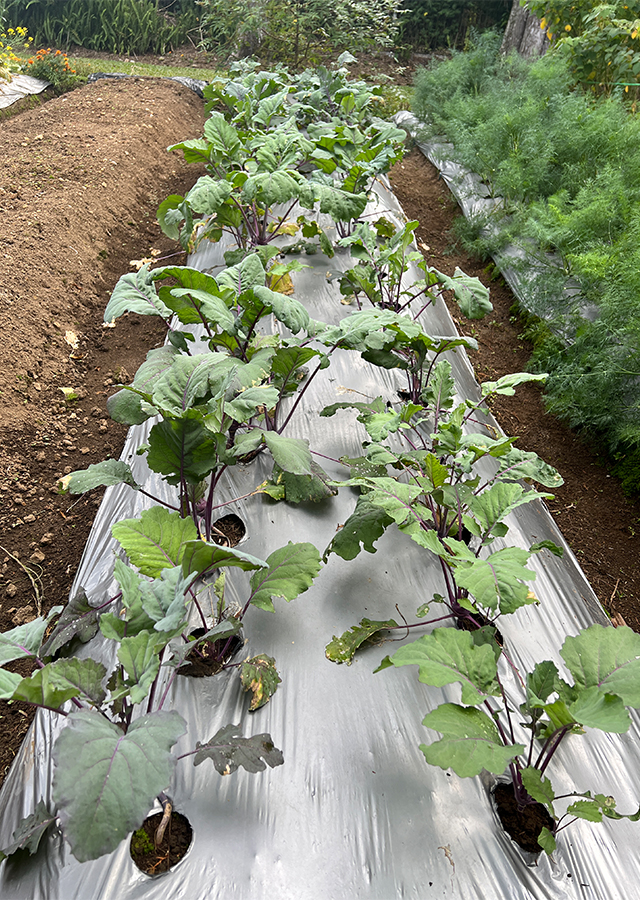
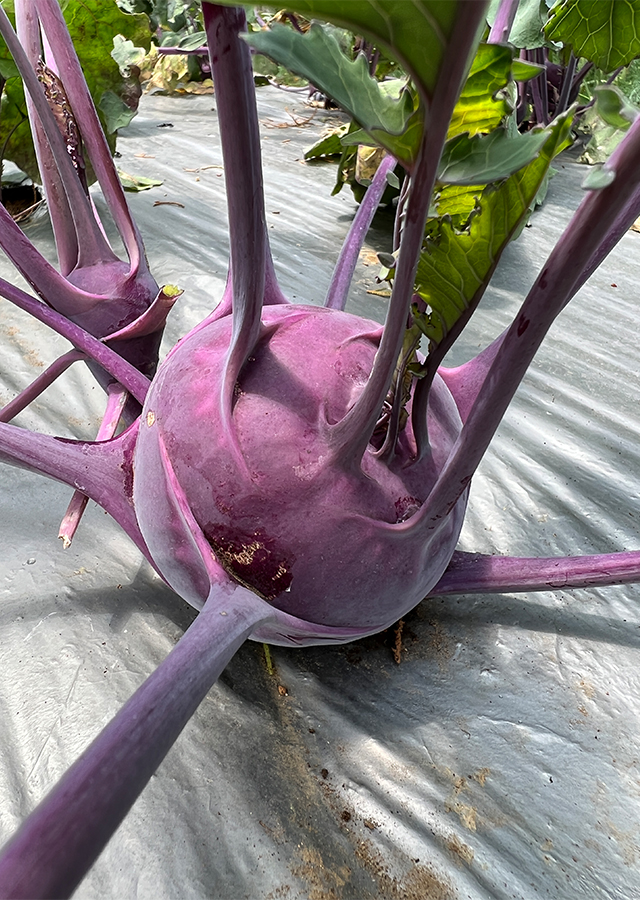
Brassica oleracea var. gongylodes or kohlrabi is native to Northwestern Europe with the first record dating from the 16th century, and now also grows in subtropical Asian regions such as India, China, and northern Vietnam. Its stem tuber, milder and sweeter in texture than regular broccoli stems, is commonly eaten raw in salads or cooked in soups. Research shows kohlrabi has antidiabetic, anti-inflammatory, antioxidant, anticancer, and antibacterial activity beneficial for digestive health.
Agroecology
Easy to grow in organically rich, consistently moist, well-drained loam soil in full sun. Soil pH ranges between 6 and 7. Kohlrabi usually grows in cool temperatures. Cool temperatures are needed to produce the best harvest. Plants generally grow poorly when daytime temperatures consistently exceed 26°C.
Morphology
- Roots a taproot and lateral roots, heavily branched.
- Stem unbranched, swollen, tuber-like, up to 12 cm in diameter, pale green to purplish.
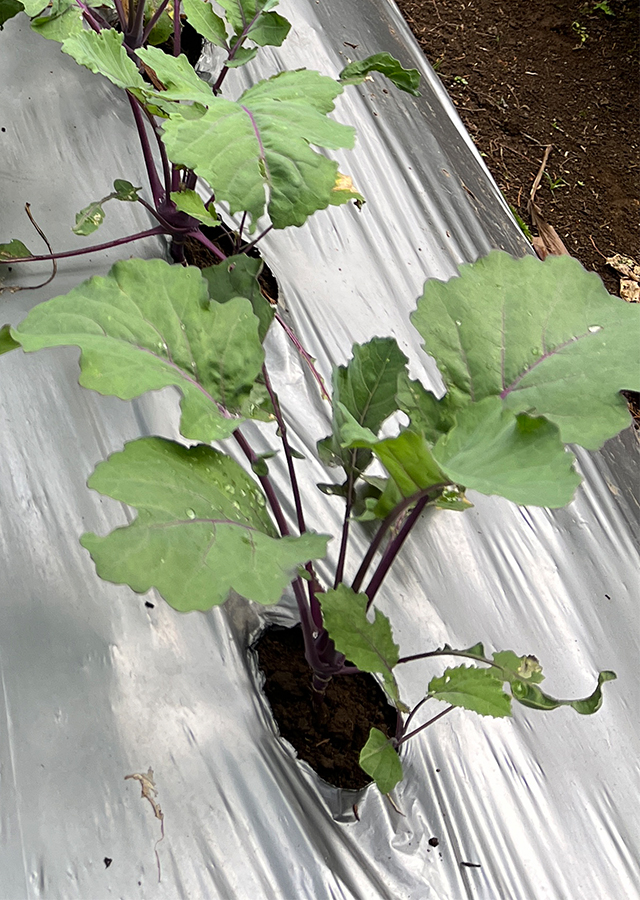
- Leaves alternate, simple or with a few small lateral lobes at the base; stipules absent; all leaves with a distinct, slender petiole; blade ovate in outline, irregularly incised, blue-green.
- Flowers bisexual, regular, 4-merous; pedicel up to 2 cm, ascending; sepals oblong, c. 1 cm long, erect; petals ovate, 1.5-2 cm long, clawed, pale to bright yellow or whitish; stamens 6; ovary superior, cylindrical, 2-celled, stigma globose. Inflorescence a terminal paniculate raceme.
- Fruit a linear silique 5-10 cm × c. 5 mm, with a tapering beak 5-15 mm long, dehiscent, up to 30 seeds.
- Seeds round, 1.5-2 mm in diameter, finely reticulate, brown. Seedling with epigeal germination, hypocotyl 3-5 cm long, epicotyl absent; cotyledons with a petiole 1-2 cm long, blade heart-shaped, 1-1.5 cm long, tapering at the base, notched at the tip.
Cultivation
Kohlrabi propagation is obtained from seed. Seed is sown in a nursery or in modules. 1000-seed weight is 3-5 g. Young seedlings may need to be shaded to prevent scorching sun. Seed requirement is 300-700 g/ha. Transplanting to the field should be done when seedlings have 7-9 true leaves, 30-40 days after sowing. Plant density 100,000-120,000 plants/ha. In mechanical cultivation, kohlrabi can be direct-sown at a rate of 1-2 kg/ha and then thinned to a density of up to 300,000 plants per ha.
Chemical Content
8 glucosinolates, 12 anthocyanins, 2 carotenoids, and 7 phenylpropanoids, chlorogenic acid, catechol, epigallocatechin and epicatechin-3-O-gallate, isorhamnetin-3-O-glucoside, gallic acid, sucrose, the main fatty acids are linoleic, palmitic, and oleic acid, essential oil: 4-methylthiobutyl isothiocyanate, 3-butenyl isothiocyanate, allyl isothiocyanate, 5-methylthiopentanenitrile, 3-methylthiopropyl isothiocyanate, and 2-phenylethyl isothiocyanate, alkaloid compounds, flavonoids, resin, saponins, and tannins.
Benefits
Promotes digestive system health and has antidiabetic, anti-inflammatory, antioxidant, anticancer, and antibacterial properties.
Local Names
Information not found. Further research is needed.
Traditional Recipes
The following recipes reflect traditional knowledge passed down through generations, not a substitute for professional medical diagnosis or advice. Consult a healthcare provider before use.
1. Promotes digestive system health
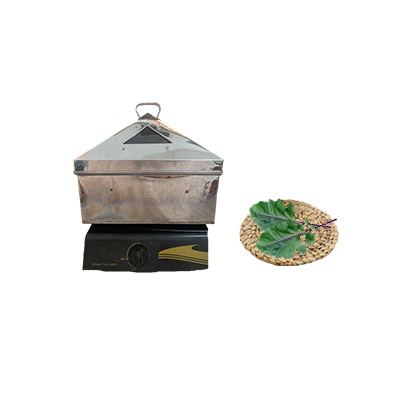
- Prepare an adequate amount of kohlrabi leaves and wash until clean.
- Steam until fully cooked.
- Remove and consume as a side dish.
Reference Sources
- Royal Botanic Gardens. Plant of the World Online: Brassica oleracea var. gongylodes L.. https://powo.science.kew.org/taxon/urn:lsid:ipni.org:names:60452376-2. 19-09-2022.
- Stuartxchange. 2021. Philippine Medicinal Plant: Kolrabi. http://www.stuartxchange.org/Kolrabi. 19-09-2022.
- Missouri Botanical Garden. Brassica oleracea (Gongylodes Group). https://www.missouribotanicalgarden.org/PlantFinder/PlantFinderDetails.aspx?taxonid=257407&isprofile=0&. 19-09-2022.
- P. Tjeertes. 2019. Brassica oleracea L. (kohlrabi). PROTABase. https://web.archive.org/web/20081205073932/http://database.prota.org/dbtw-wpd/exec/dbtwpub.dll?AC=QBE_QUERY&BU=http%3A%2F%2Fdatabase.prota.org%2Fsearch.htm&TN=PROTAB~1&QB0=AND&QF0=Species+Code&QI0=Brassica+oleracea+kohlrabi&RF=Webdisplay. 19-09-2022.