Breynia vitis-idaea (Burm.f.) C.E.C.Fisch.
Summary
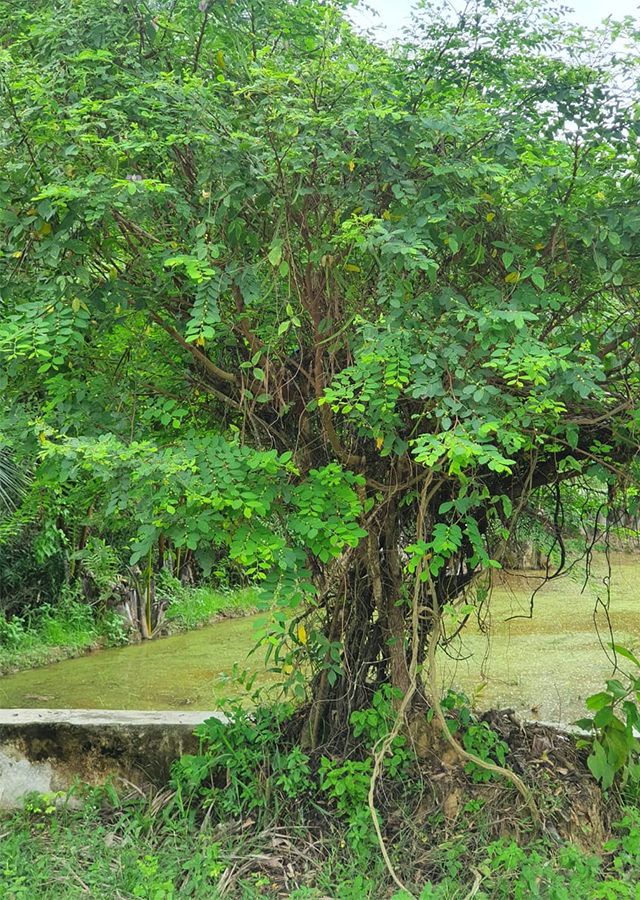
Buah tinta (Breynia vitis-idaea) is a shrub up to 3 meters tall of the Phyllanthaceae family, distributed from Southeast Asia and India to China and Japan, with its Indonesian range covering Java, Kalimantan, Sulawesi, and Papua. Its leaves are traditionally prepared to relieve tonsillitis and postpartum pain, while its stem is used to address rheumatism and stop bleeding.
Agroecology
Buah tinta can grow in deciduous forest, moist deciduous forest, dry plains, and lowlands below 1,000 m above sea level.
Morphology
- Stem rough, grayish-brown, with vertical striations.
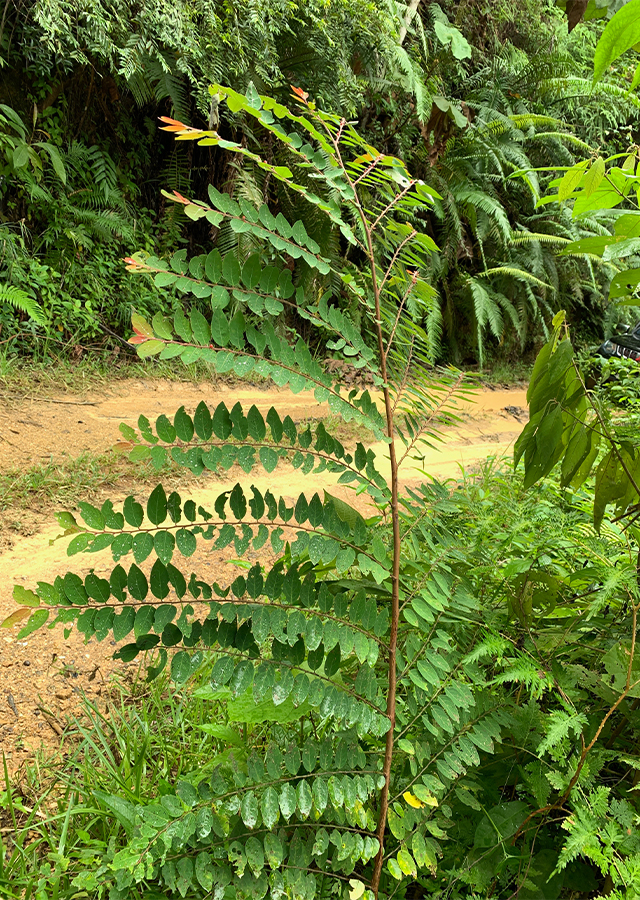
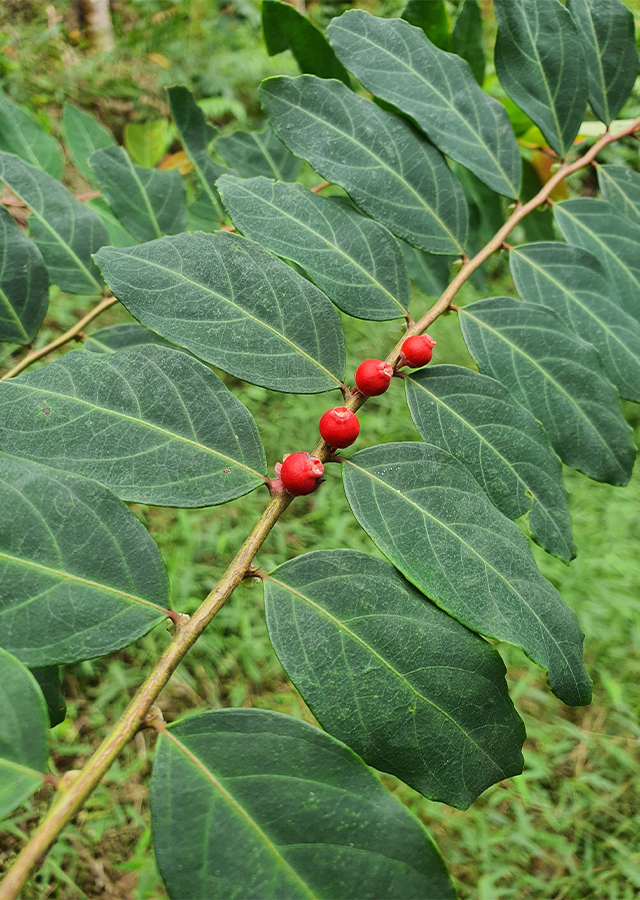
- Leaves cross-arranged, ovate, dark green. The leaf surface has a hard, rough waxy layer.
- Flowers male and female separate from one another. Green or yellow in color, with a 3-4 mm flower stalk, producing round fruit 6-7 mm in diameter.
- Fruit reddish-green, turning black when ripe.
- Seeds three-sided and light brown.
Cultivation
- Propagated generatively (by seed) and vegetatively (by stem cuttings).
- Seeds come from ripe fruit. Seeds are harvested by opening the fruit, then cleaned of the flesh, washed, and dried.
Chemical Content
Benzoylarbutin, breynioside B, glycosides, tannins, 6-O-benzyl-α-D-glucose, beta-sitosterol, triacontane, ceryl alcohol, lanosterol, pentatriacontanoic acid, canangaionoside, breynin, saponins, flavonoids.
Benefits
Leaves: treats tonsillitis, relieves postpartum pain, treats blistered skin and skin diseases, reduces fever, treats jaundice. Stem: treats rheumatism and stops bleeding.
Simplisia
- Harvest fresh leaves and wash thoroughly.
- Dry in the shade for several days or in an oven at 40 °C until the moisture content is 10%.
- Pound into a powder.
- Store the dried material in a closed container.
Local Names
Information not found. Further research needed.
Traditional Recipes
The following recipes reflect traditional knowledge passed down through generations, not a substitute for professional medical diagnosis or advice. Consult a healthcare provider before use.
1. Relieving Fever
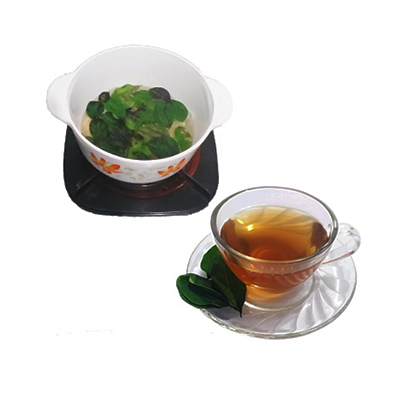
- Soak several leaves in warm water. Strain.
- Drink 3-4 times while feverish.
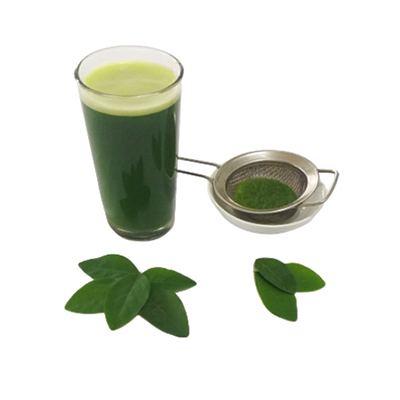
2. Jaundice
- Prepare 10 g of fresh leaves and 200 ml of boiled water.
- Blend until smooth, then strain.
- Drink the mixture twice a day for 10 days.
Reference Sources
- Tropical Plants Database, Ken Fern. (2014). Breynia vitis-idaea. http://tropical.theferns.info/viewtropical.php?id=Breynia+vitis-idaea. 21-10-2020.
- Biodiversity India. (No date). India Biodiversity Portal. Breynia vitis-idaea (Burm.f.) C.E.C.Fisch. https://indiabiodiversity.org/species/show/228948. 26-10-2020.
- Stuart Xchange. (2016). Philippine Medicinal Plants. Matang-hipon. http://www.stuartxchange.com/Matang-hipon.html. 21-10-2020.
- PROSEA. (2016). Breynia vitis-idaea (PROSEA). https://uses.plantnet-project.org/en/Breynia_vitis-idaea_(PROSEA). 21-10-2020.
- Kato, M. & Kawakita, A. (2017). Obligate Pollination Mutualism. Springer, Tokyo-Japan.