Bulbine frutescens (L.) Willd.
Summary
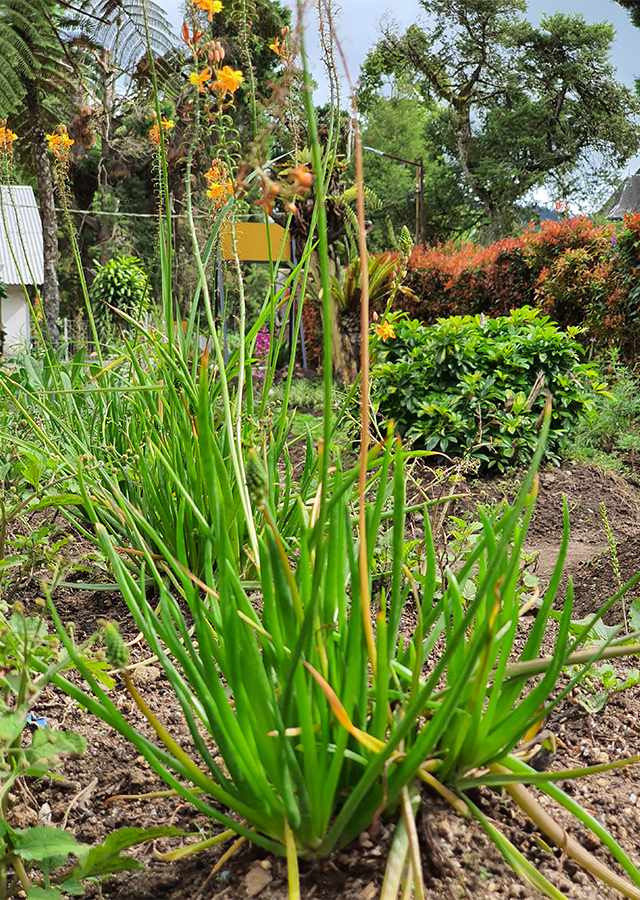
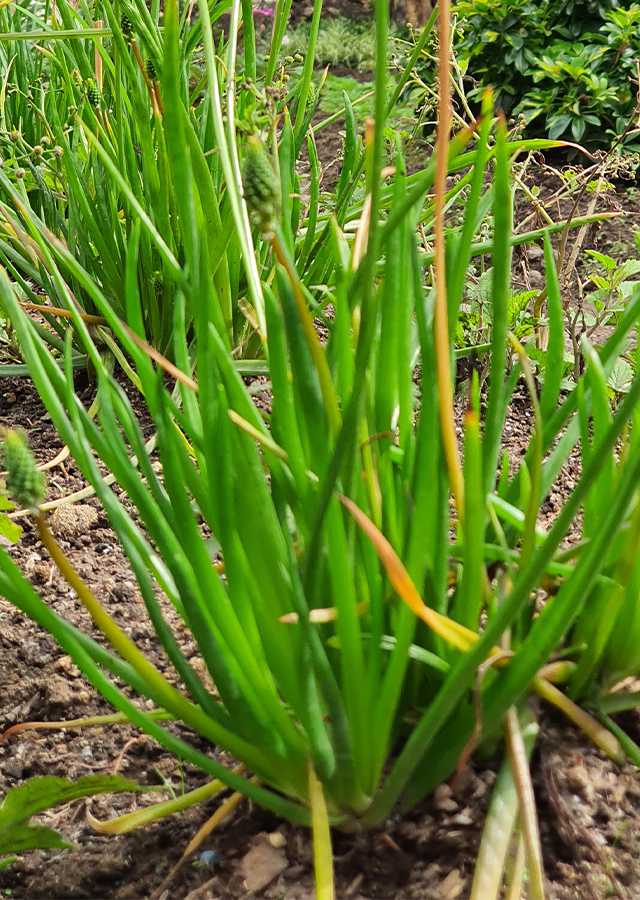
Bulbine frutescens is a clump-forming succulent 0.6-0.8 meters tall from the Asphodelaceae family native to South Africa, popular as a drought-resistant ground cover in landscaping. Its juice extract is used as a base ingredient for skin creams, similar to aloe vera. Bulbine frutescens is traditionally used as a first-aid remedy for burns and scrapes on children.
Agroecology
Bulbine frutescens is generally found growing in dry areas, riverbanks, hillsides, sandy or rocky areas. This species prefers a position in full sun, but can also grow in semi-shade for part of the day. Grows well in moist to dry, well-drained, nutrient-rich soil, but can also adapt and grow in poor, rocky soil. This species is drought-tolerant.
Morphology
- Stem grayish, branched, with adventitious roots.
- Leaves fleshy, green, narrowly linear, opposite, clasping the stem at the base.
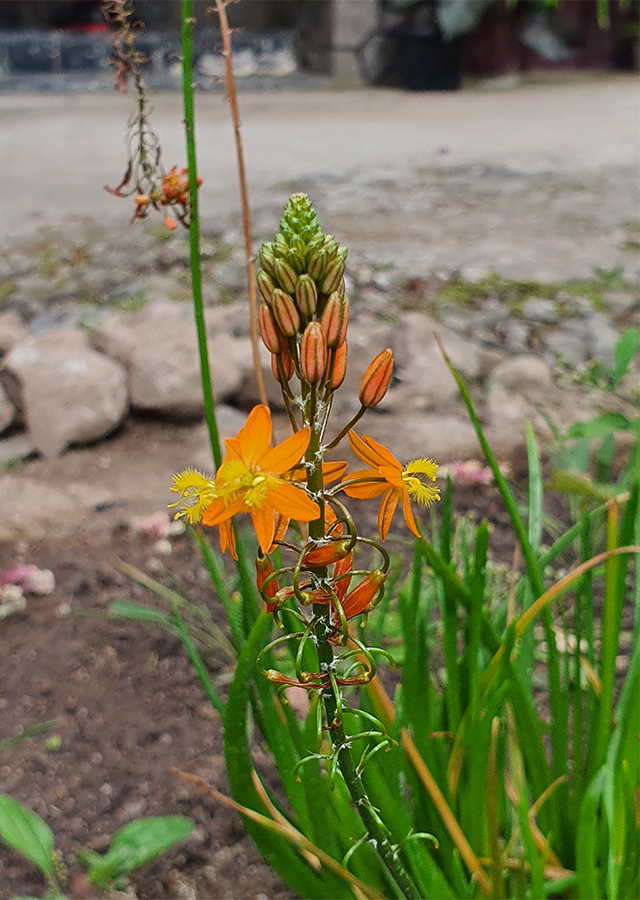
- Flowers small, star-shaped with 6 petals, yellow or sometimes orange, attractively paired with fine yellow stamens.
- Fruit a small round capsule.
- Seeds 3-4 per cell, black.
Cultivation
- Propagation is done through seed, cuttings, and clump division.
- Once seedlings have four leaves and cuttings have a well-formed root system, they can be transplanted.
Chemical Content
Biaryl anthraquinones, knipholone, isofuranonaphthoquinones, flavonoids, terpenoids.
Benefits
Helps heal burns, eczema, acne, herpes, ringworm, rashes, blisters, itching, insect bites, chapped skin areas and lips, canker sores, dysentery, sexually transmitted diseases (STDs), urinary tract infections, fever, cough, colds, arthritis.
Simplisia
- Prepare the whole Bulbine frutescens plant, wash clean with running water.
- Cut into pieces to make it easier to dry.
- Dry under the sun or with an oven at 40°C until the moisture content reaches 10%.
- Grind using a blender until it becomes powder.
- Store in a clean, airtight container.
Local Names
Informasi tidak ditemukan. Butuh penelusuran lebih lanjut.
Traditional Recipes
The following recipes reflect traditional knowledge passed down through generations, not a substitute for professional medical diagnosis or advice. Consult a healthcare provider before use.
1. Cough
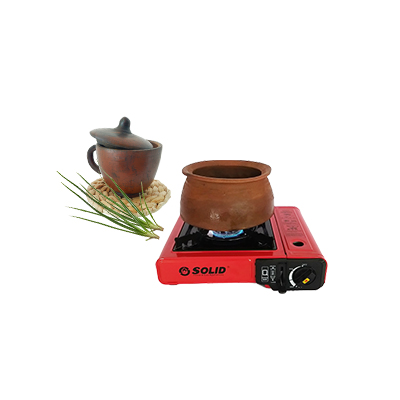
- Prepare an adequate amount of fresh Bulbine frutescens leaves and wash until clean.
- Boil until it boils.
- Strain then drink while warm.
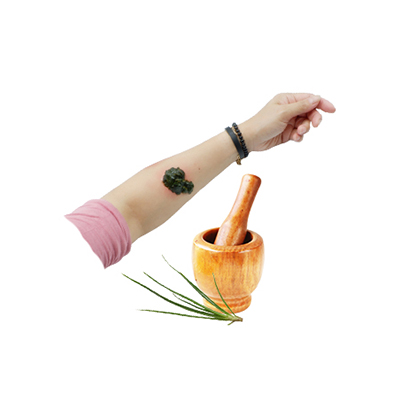
2. Burns
- Prepare an adequate amount of fresh Bulbine frutescens leaves and wash until clean.
- Grind until it becomes a paste.
- Apply as a poultice on the burn.
Reference Sources
- Royal Botanic Gardens. Plant of the World Online: Bulbine frutescens (L.) Willd. https://powo.science.kew.org/taxon/urn:lsid:ipni.org:names:532169-1. 04-03-2022.
- S A National Biodiversity Institute. Bulbine frutescens (L.) Willd. http://pza.sanbi.org/bulbine-frutescens. 04-03-2022.
- Flora Fauna Web. 2021. Bulbine frutescens. https://www.nparks.gov.sg/florafaunaweb/flora/3/6/3646. 04-03-2022.
- Kenfack M. S., Mbeng W. O., Materechera S. A. 2017. An ethnopharmacological review of Bulbine frutescens (L.) Willd. (Asphodelaceae) - a medicinal plant used for the treatment of skin diseases in the Eastern Cape, South Africa. North-West University. https://repository.nwu.ac.za/handle/10394/30361. 04-03-2022.
- Plantinfo. 2022. Bulbine frutescens. https://plantinfo.co.za/plant/bulbine-frutescens/. 04-03-2022.