Cajanus cajan (L.) Huth
Summary
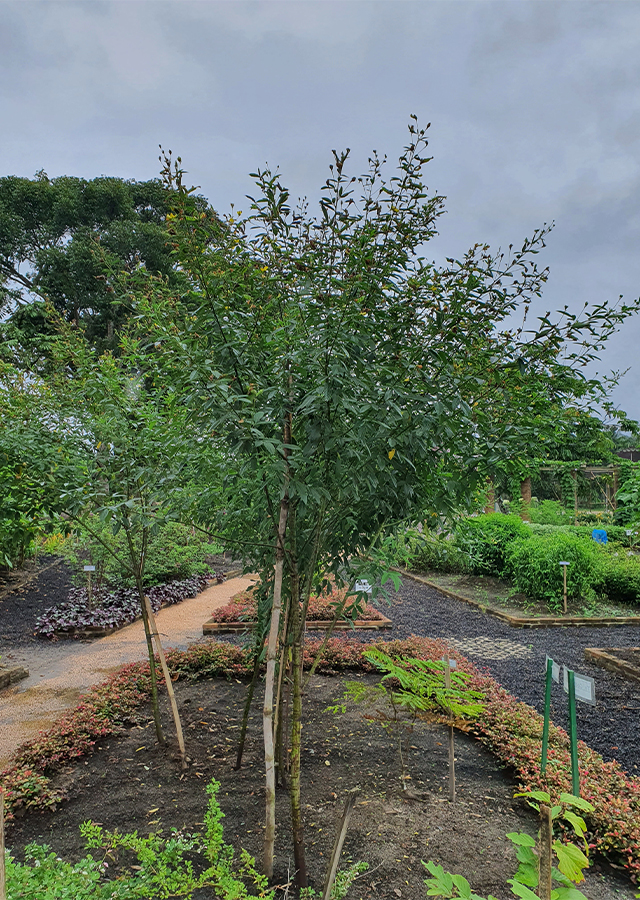
Kacang gude (Cajanus cajan) is a shrub up to 4 meters tall of the Fabaceae family, originating from India, spreading to Africa around 2,000 years BCE and later to America brought by slaves. Its pods and seeds are an important food source in India and Southeast Asia, even used as a soybean substitute for tempeh. Kacang gude is also traditionally believed to help address hepatitis, diabetes, and wounds.
Agroecology
Generally found in tropical regions from lowlands up to elevations of 1,500 m above sea level, temperature 20-30 °C, rainfall 500-1,000 mm/year. Does not like very acidic soil, grows well in a soil pH range of 5.5-6.5. Drought-tolerant and prefers full sunlight.
Morphology
- Roots taproot, has rhizobium.
- Stem woody, round, grooved, hairy, greenish-brown.
- Leaves trifoliate, arranged spirally on the stem, lobed at the top, small stipules, oval, hairy.
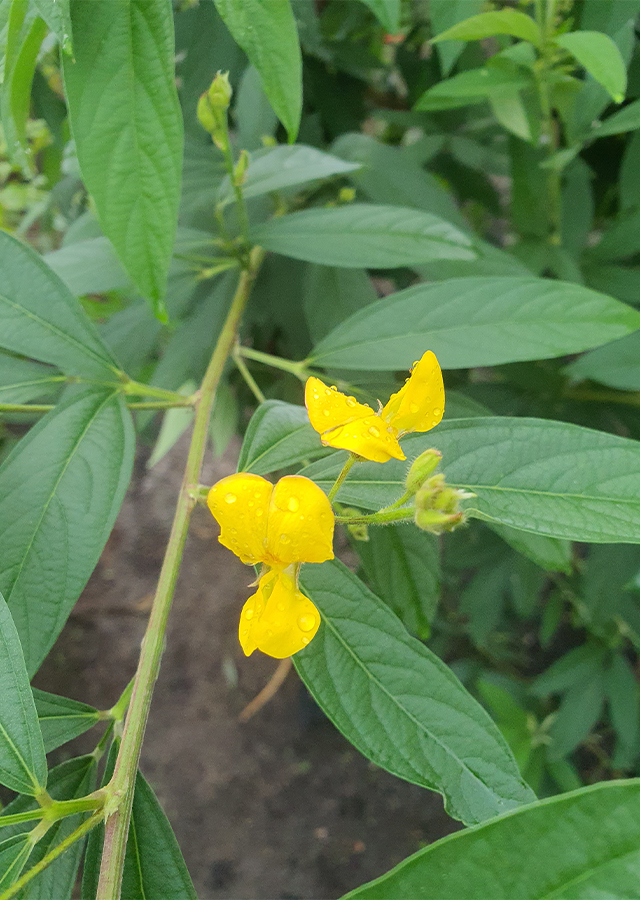
- Flowers compound, butterfly-shaped, petals and pollen yellow in color, one pistil, small flower cluster, growing at the shoot tip or leaf axils.
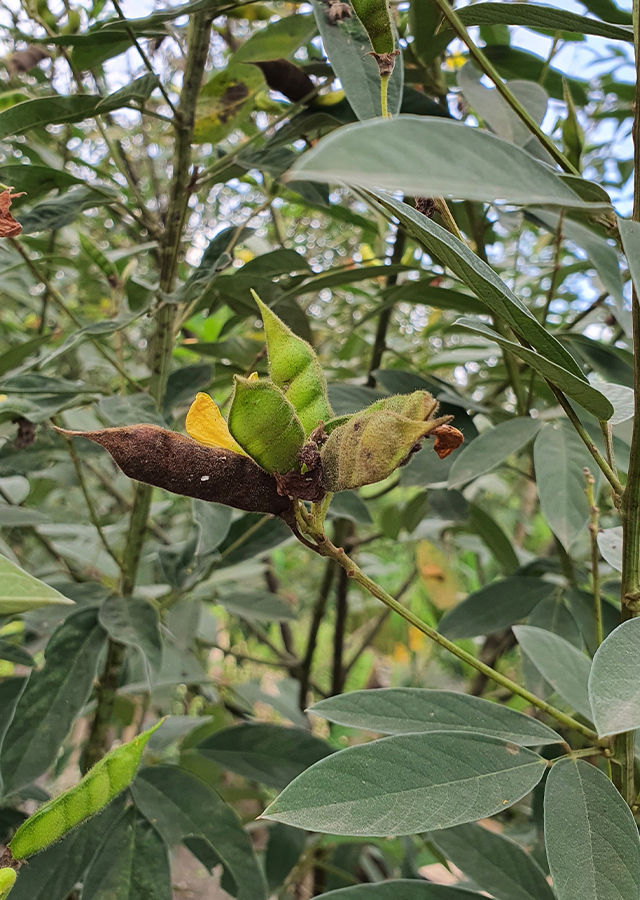
- Fruit a straight flat pod or crescent-shaped, 4-10 cm long, containing 2-9 seeds, green in color.
- Seeds round or oval, colors vary namely grayish-white, red, brown, purplish.
Cultivation
Propagated generatively (by seed). Seeds can germinate 2-3 weeks after being sown.
Chemical Content
Flavonoids, saponins, polyphenols, tannins, alkaloids, cyanogenic glycosides, anthocyanins, cajanin, anthraquinone glucoside, genistein, longistylin.
Benefits
Treats wounds, hepatitis, dysentery, diabetes, ringworm, shingles, cough, diarrhea, stomach disorders, canker sores, jaundice, worm infections, bruises, itching, malaria, liver damage from alcohol, has anticancer, antioxidant, and antibacterial activity.
Local Names
Ritik lias (Batak, Karo), Koro gude (Java), Binatung (Makassar), Kacang hiris (Sunda), Kance (Bugis), Undis (Bali), Kacang kaju (Madura).
Traditional Recipes
The following recipes reflect traditional knowledge passed down through generations, not a substitute for professional medical diagnosis or advice. Consult a healthcare provider before use.
1. Herpes Zoster
- Wash and mash 10-20 fresh leaves.
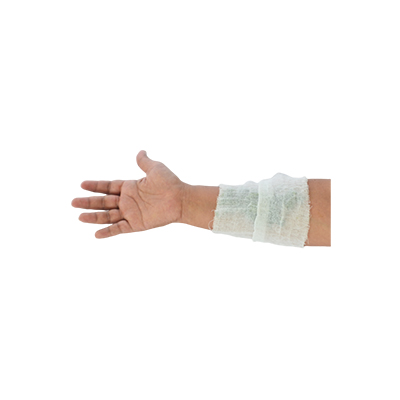
- Apply to the herpes blisters then cover with gauze, change 3-4 times a day.
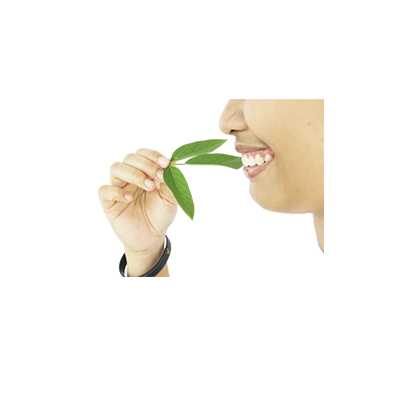
2. Mouth Pain
- Wash 5-10 young gude leaves.
- Chew for a while then discard the residue.
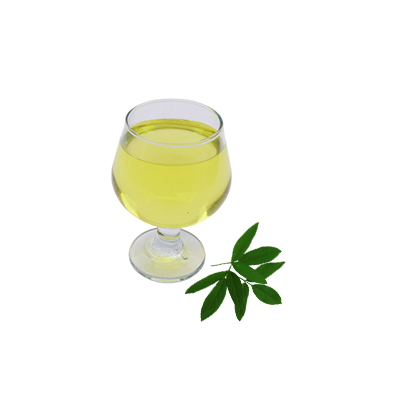
3. Treating Cough, Diarrhea, and Stomach Disorders
- Prepare 80 g fresh gude leaves and 3 glasses of water.
- Boil the leaves until it boils and the remaining water is reduced by half, cool then strain.
- Drink 3 times a day, 1/2 glass each time.
Reference Sources
- Tropical Plants Database, Ken Fern. (2014). Cajanus cajan. http://tropical.theferns.info/viewtropical.php?id=Cajanus+cajan. 02-02-2021.
- Lim, T.K. (2012). Edible Medicinal And Non-Medicinal Plants: Volume 2, Fruits. New York, Springer. pg549.
- Dilipkumar Pal, Pragya Mishra, Neetu Sachan, and Ashoke K. Ghosh. (2011). Biological activities and medicinal properties of Cajanus cajan (L) Millsp. J Adv Pharm Technol Res. https://www.ncbi.nlm.nih.gov/pmc/articles/PMC3255353/. 02-02-2021.
- StuartXchange. (2016). Philippine Medicinal Plants. Kadios. http://www.stuartxchange.org/Kadios.html. 02-02-2021.
- Aja PM, Alum EU, Ezeani NN, Nwali BU, Edwin N. 2015. Comparative Phytochemical Composition of Cajanus cajan Leaf and Seed. International Journal of Microbiological Research 6 (1): 42-46
- Pal D, Mishra P, Sachan N, Ghosh AK. 2011. Biological activities and medicinal properties of Cajanus cajan (L) Millsp. J. Adv. Pharm. Technol. Res. 2(4): 207–214
- Prosea. 1992. Pulses. Eds Van der Maesen LJG, Somaatmadja S.
- Sahu M, Verma D, Harris KK. 2014. Phytochemical analysis of the leaf, stem and seed extracts of Cajanus cajan L. (Dicotyledoneae: Fabaceae). World Journal of Pharmacy and Pharmaceutical Sciences 3(8): 1-40.