Canarium indicum L.
Summary
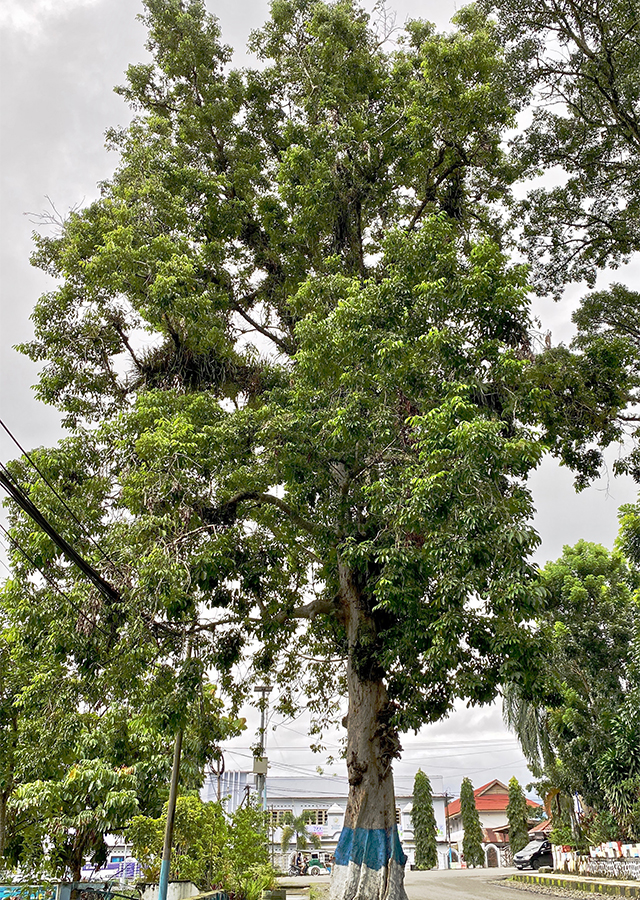
Kenari (Canarium indicum) is a tree up to 25 meters tall of the Burseraceae family with its center of diversity in the Malesia region, including Sulawesi and Maluku in Indonesia. Its savory seeds are a favorite complement to various traditional dishes and cakes, while its wood is used to make canoes and bowls. Kenari is also believed to help promote menstruation and lower breast cancer risk.
Agroecology
Grows in tropical and subtropical regions at elevations up to 1,800 m above sea level. Requires adequate water intake, rainfall 2,500-3,500 mm/year. Able to survive at temperatures of 25-28 °C.
Morphology
- Roots taproot.
- Stem upright, diameter reaching 100 cm with gray bark, white wood.
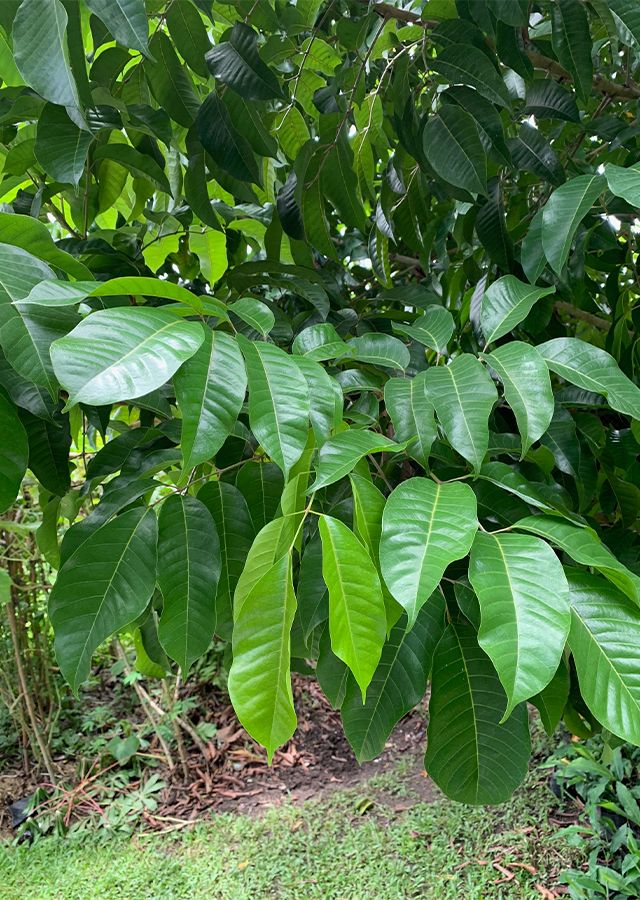
- Leaves compound imparipinnate consisting of 6-8 opposite pairs, oblong with a tapering base, smooth and glossy surface, without stipules.
- Flowers single-sex, panicle-shaped, number of calyx and petal parts in fives, flowers emerge at the tips of stalks.
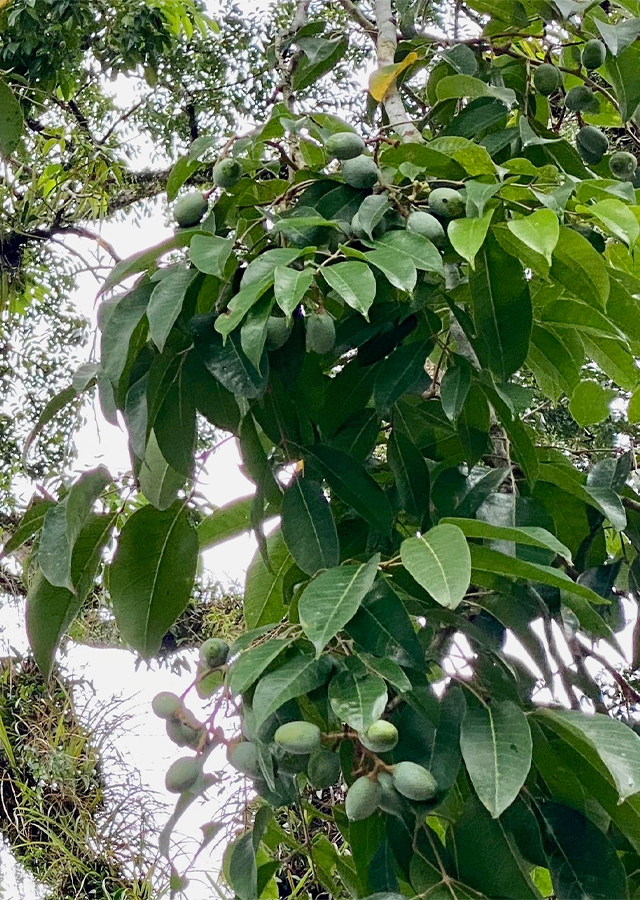
- Fruit egg-shaped, ovary 2-3 chambered.
- Seeds one with a hard shell, brown.
Cultivation
Its development is from seed germination and vegetatively (cuttings).
Chemical Content
Tannins, flavonoids, sterols, phenolics, amino acids (glutamic acid, lysine, aspartic acid, arginine), triterpenoids, fatty acids (lauric acid, palmitic acid, stearic acid, oleic acid, linoleic acid, linolenic acid), saponins, terpenoids.
Benefits
Reduces pain and promotes menstruation, cancer risk (breast and prostate), boosts immunity and brain performance, lowers cholesterol and sugar levels, addresses back pain.
Simplisia
- Select fresh and healthy kenari leaves. Wash thoroughly with running water, then drain.
- Dry in the sun ± 7 days or until dry.
- Store in an airtight bag.
Local Names
Kandreh (Madura), Kanare (Sulawesi), Lyale yiha (Maluku).
Traditional Recipes
The following recipes reflect traditional knowledge passed down through generations, not a substitute for professional medical diagnosis or advice. Consult a healthcare provider before use.
1. Promoting Menstruation
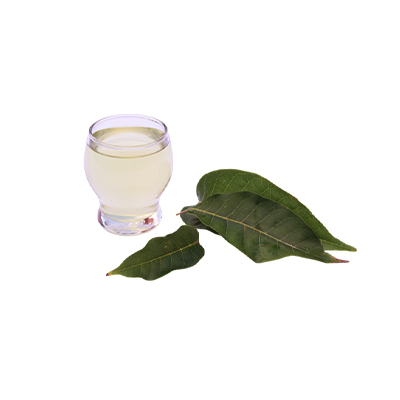
- Prepare 10 g fresh kenari leaves.
- Wash then boil with 1 glass of water for 15 minutes. Cool then strain.
- Drink while warm.
2. Back Pain
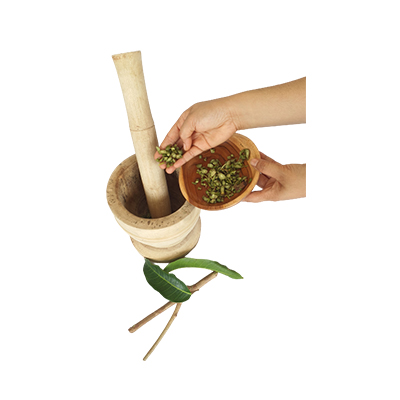
- Prepare an adequate amount of kenari bark.
- Wash thoroughly, then pound until mashed.
- Apply to the painful back area.
Reference Sources
- Djarkasi GSS, Raharjo S, Noor Z, Sudarmadji S. 2007. Sifat fisik dan kimia minyak kenari. Agritech. 27(4): 165-170.
- Leakey R, Fuller S, Treloar T, Stevenson L, Hunter D, Nevenimo T, Binifa J, Moxon J. 2008. Characterization of tree-to-tree variation in morphological, nutritional and medicinal properties of Canarium indicum nuts. Agroforest Syst. 73: 77–87.
- Prosea. 2018. Canarium.https://uses.plantnet-project.org/en/Canarium_(PROSEA_Exudates))
- Rahman H, Anggadiredja K, Sitompul JP. 2015. Synthesis and characterization of 2-monoacylglycerols from Canarium oil (Canarium indicum). Prodia Food Science 3: 162-173.
- Rahman H, Tursino, Sitompul JP, Anggadiredja K, Gusdinar T. The nutritional fatty acids profile and physicochemical properties of Canarium indicum nut oil. International Journal of Pharmacognosy and Phytochemical Research 7(6):1222-1226.
- Widyaningrum H. 2019. Kitab Tanaman Obat Nusantara. Media Pressindo, Yogyakarta.
- Tropical Plants Database, Ken Fern. tropical.theferns.info. Canarium indicum. http://tropical.theferns.info/viewtropical.php?id=Canarium+indicum 07-05-2020