Centaurea cyanus L.
Summary
Centaurea cyanus or cornflower is native to Asian regions such as Iran and Turkey, as well as Southern Europe, and is one of the national flowers of Germany and Estonia. Its genus name was inspired by the Greek myth of the centaur Chiron, who healed Achilles' wound with this flower. Besides being favored as an ornamental and cut flower, cornflower has a long tradition in eye treatment and is known as a valuable source of secondary metabolites for various pharmaceutical and industrial purposes.
Agroecology
Centaurea cyanus is found growing at elevations from sea level up to 2,500 m asl, both in vacant land and unplanted fields, especially in wheat fields, which are now almost gone due to massive herbicide use, and is also found growing along roads and railways. Cornflower is very adaptable and will tolerate poor soil and lack of fertilization, as well as being able to tolerate low water conditions but prefers moderate moisture and well-drained soil. Its optimal growth prefers a position in full sun in any soil, but prefers neutral or alkaline sandy soil. Its stem will flop if there is too much shade.
Morphology
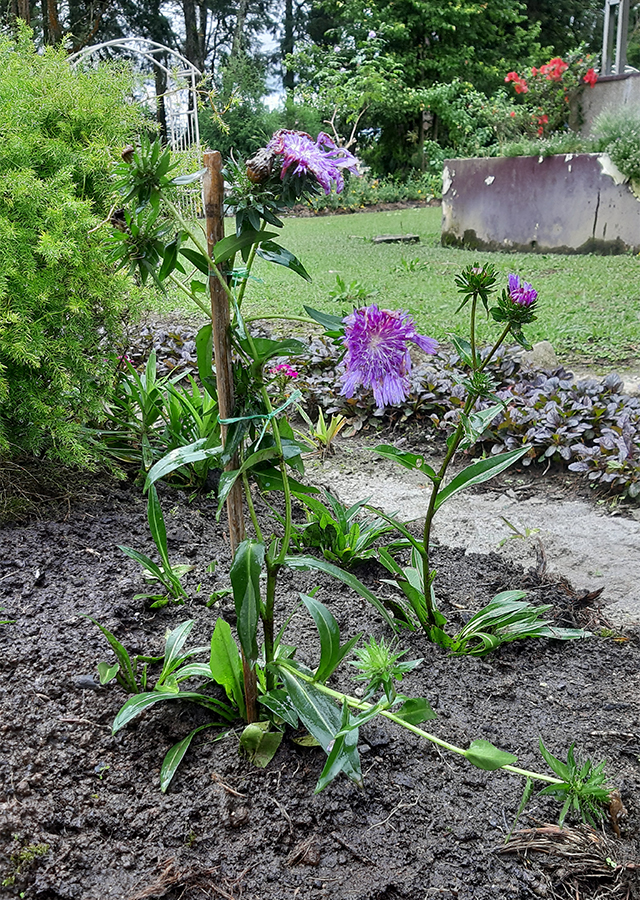
- Stem slender and thin, hollow, angled, upright, somewhat tomentose, grayish green.
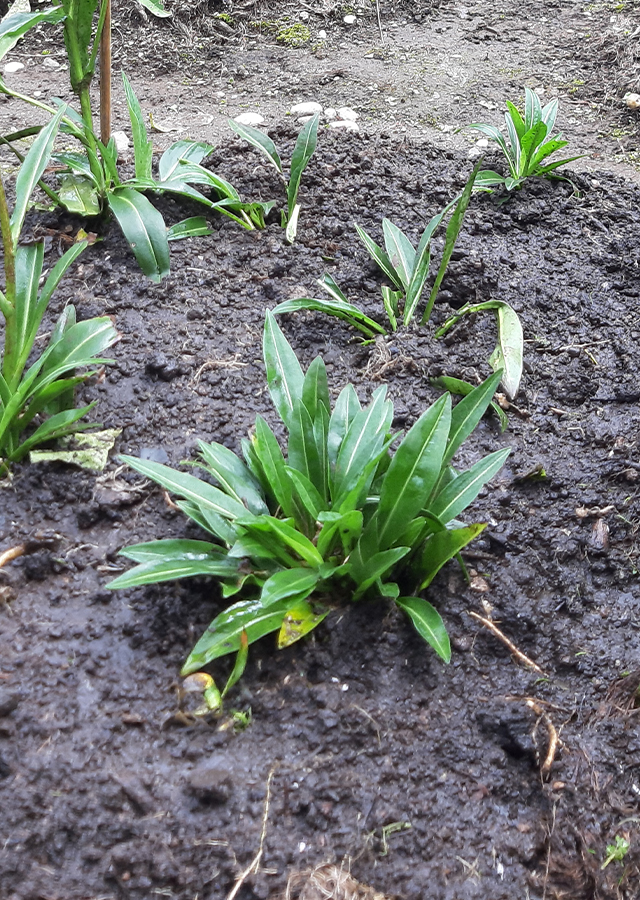
- Leaves lanceolate shaped, alternate, the lower leaves lyrate-pinnatifid and the upper leaves narrowly lanceolate or linear, covered with short grayish hairs.
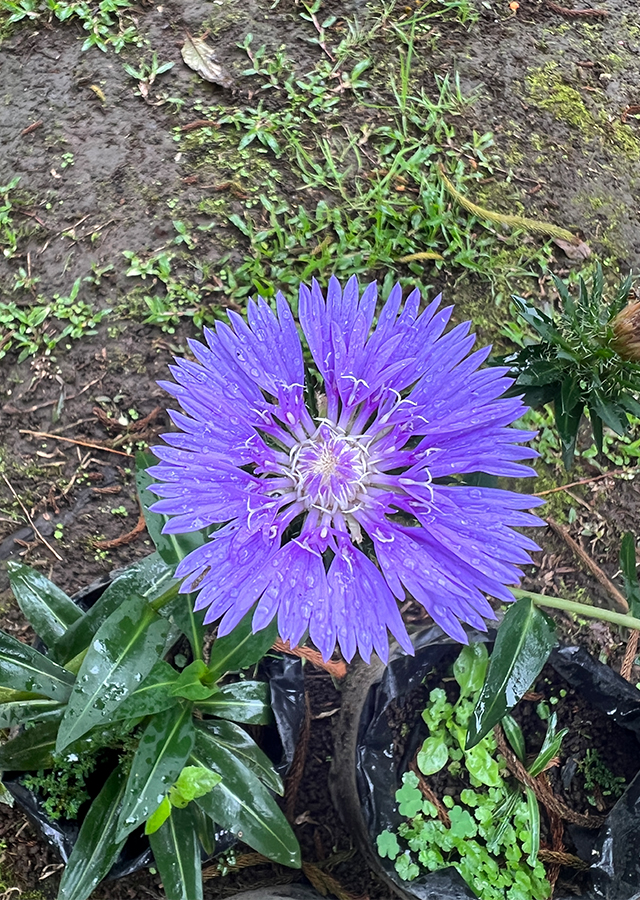
- Flowers blue to purple, pink to red, or cream to white in color. Flower head ovoid, 3 cm in diameter, formed by a cluster of sessile flowers (without a peduncle), inserted spirally on a rounded base. The receptacle is surrounded by an involucre, about 15 mm high and 6-10 mm wide, formed by imbricated bracts with brown margins. The flowers in the outer ring, called ray florets, are 20-25 mm long and have a corolla formed by five fused petals extending sideways in a radial direction, with the tip divided into lanceolate lobes. The corolla is usually dark blue, but can have different color gradations, from white to purple, to blue. The fertile flowers, called disc florets, are inside this ring and are 10-15 mm long, with a symmetrical purple tubular corolla with five short lobes.
- Fruit contains a single seed and is called an achene, colored from yellowish brown to blackish, topped by a pappus, a modified calyx, formed by a crown of stiff, brownish-orange bristles, which serves to aid its dispersal.
Cultivation
- Plant propagation through seed that can be placed directly in the soil (in spring).
- Flowering begins after 5-6 weeks.
Chemical Content
Flavonoid aglycones (quercetin, kaempferol, isorhamnetin, apigenin, luteolin, hispidulin), and their glycosides, caffeic, chlorogenic, neochlorogenic, isochlorogenic acids, amino acids, phenolic compounds (flavonoids, anthocyanins, and tannins), aromatic acids (chlorogenic acids, p-hydroxybenzoic, p-coumaric, vanillic, syringic, ferulic, salicylic, and benzoic acids), indole alkaloids, coumarins (scopoletin, umbelliferone).
Benefits
Treats eye inflammation, relieves eye strain and swollen eyes, calms nervous disorders, improves digestion, speeds up healing of wounds or bleeding gums, a cleanser for dry sensitive facial skin, a laxative for children, antirheumatic.
Simplisia
- Prepare cornflower flowers, wash clean with running water then drain.
- Dry under the sun or with an oven at 40°C until the moisture content reaches 10%.
- Store in a clean, airtight place.
Local Names
Informasi tidak ditemukan. Butuh penelusuran lebih lanjut.
Traditional Recipes
The following recipes reflect traditional knowledge passed down through generations, not a substitute for professional medical diagnosis or advice. Consult a healthcare provider before use.
1. Speeds up healing of wounds or bleeding gums
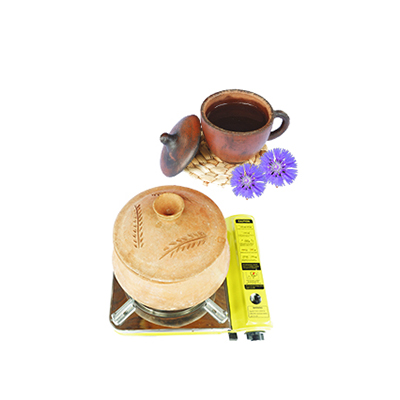
- Take cornflower flowers and wash until clean.
- Steep with boiling water.
- Strain then drink.
Reference Sources
- Royal Botanic Gardens. Plants of the World Online: Centaurea cyanus L.. https://powo.science.kew.org/taxon/urn:lsid:ipni.org:names:190310-1#synonyms. 13-12-2022.
- Stuartxchange. 2014. Philippine Medicinal Plants: Coral flower. http://www.stuartxchange.org/CoralFlower.html. 13-12-2022.
- Plants For A Future. 2022. Centaurea cyanus - L.. https://pfaf.org/user/Plant.aspx?LatinName=Centaurea+cyanus. 13-12-2022.
- MONACO NATURE ENCYCLOPEDIA . Centaurea cyanus. https://www.monaconatureencyclopedia.com/centaurea-cyanus/?lang=en. 14-12-2022.
- Al-Snafi, A.E. (2015). THE PHARMACOLOGICAL IMPORTANCE OF CENTAUREA. International Journal of Pharmacy Review & Research, 5(4):379-384.