Chamaecrista fasciculata (Michx.) Greene
Summary
Partridge pea (Chamaecrista fasciculata) is an annual herb up to 1 meter tall from the Fabaceae family native to the eastern United States. Its flowers attract butterflies and honeybees, while its extensive root system is suited to controlling soil erosion. Partridge pea is traditionally used to maintain stamina during exercise and treat nausea.
Agroecology
Chamaecrista fasciculata can be found growing in open woodland, grassland, disturbed areas, along roadsides, and often grows in sandy soil. This species prefers a position with full sun (6 hours or more of direct sunlight a day) or partial shade, with moist, well-drained soil but prefers open sandy loam. Prefers soil with an acidic (<6.0) to neutral (6.0-8.0) pH. Established plants are tolerant of drought conditions.
Morphology
- Roots taproot, with nodules on the roots that fix nitrogen.
- Stem often branched, green or reddish and smooth, except young stems have fine hairs.
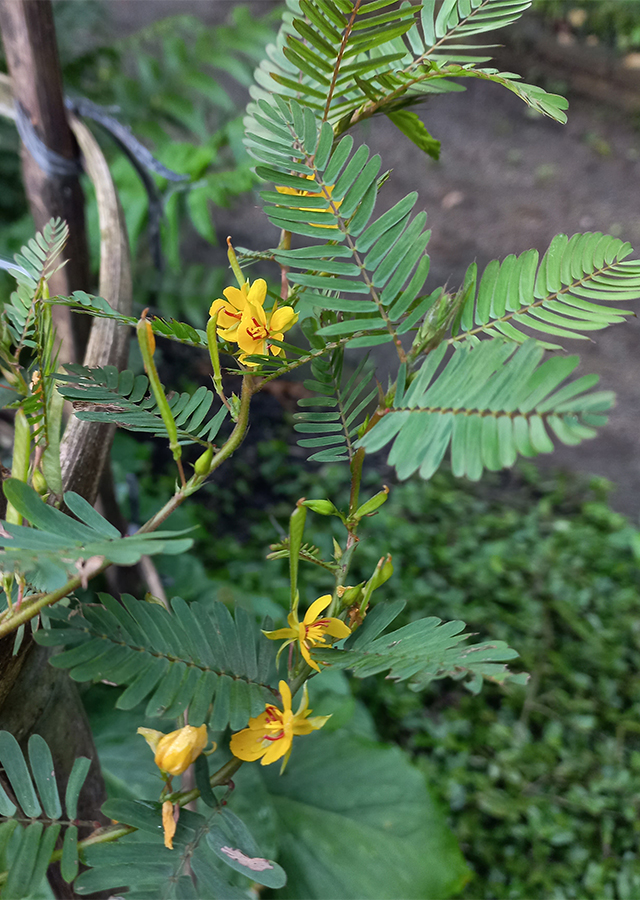
- Leaves alternate, compound, pinnate with 8-15 pairs of oblong-linear leaflets with a bristle-tipped apex and sessile leaflets, green, hairy, folding together when touched and at night as darkness approaches, petiolate. Has a pair of awl-shaped stipules at the petiole base, and the petiole bears a small gland.
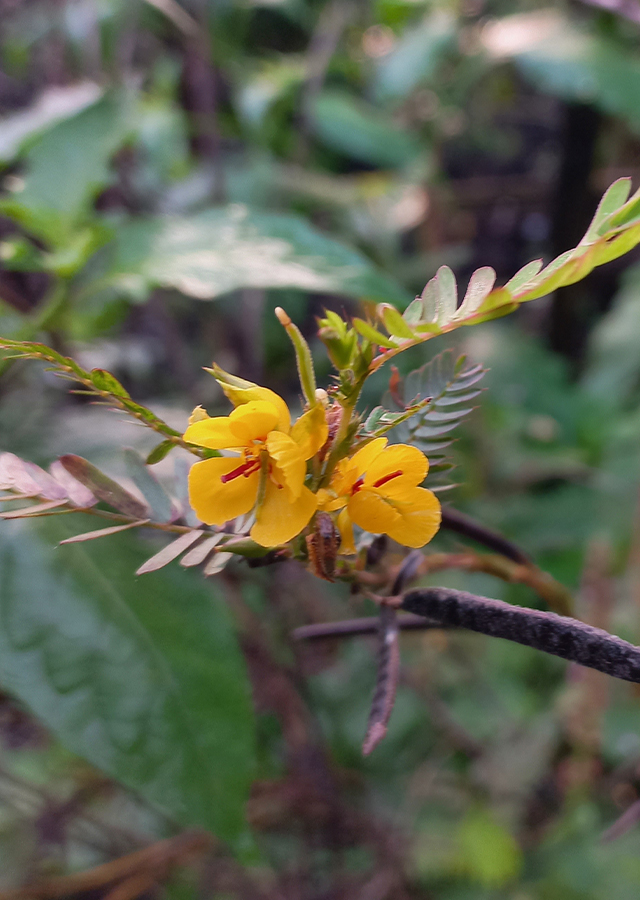
- Flowers have 4-5 yellow petals, with a red color at the petal base. Stamens number 10, unequal in length, with 6 anthers purple or reddish, and 4 yellow. Style whitish green. Below the petals there are 5 green linear sepals. Flowers arise from the leaf axil.
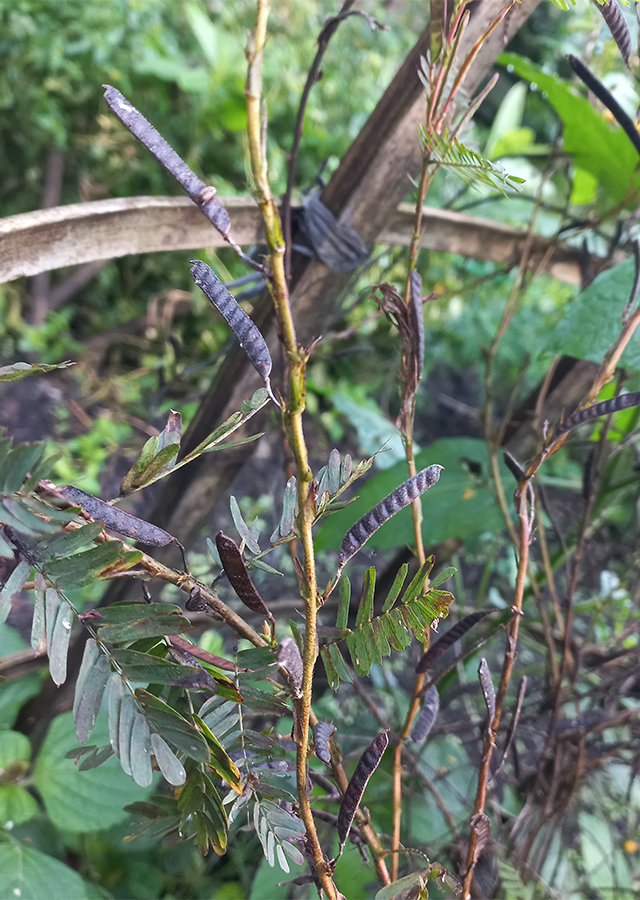
- Fruit a flattened green pod, straight, flat, slightly hairy, turning dark brown and smooth when ripe or old.
- Seeds black, numbering 10-20 seeds per pod.
Cultivation
- Propagation is generative (seed) and vegetative (hardwood cuttings).
- Before sowing, soak the seeds in warm water for 2-3 hours first. Seeds usually germinate within 1-12 weeks at 23°C.
Chemical Content
Information not found. Further research is needed.
Benefits
Maintains stamina during exercise (prevents fatigue, especially used by soccer players), treats nausea (antiemetic).
Local Names
Kacang partridge.
Traditional Recipes
The following recipes reflect traditional knowledge passed down through generations, not a substitute for professional medical diagnosis or advice. Consult a healthcare provider before use.
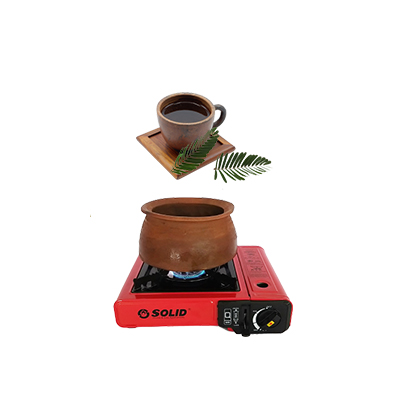
1. Reduces nausea
- Prepare fresh partridge pea leaves and wash until clean.
- Boil until it boils.
- Let it cool.
- Strain then drink to reduce nausea.
2. Maintains stamina during exercise
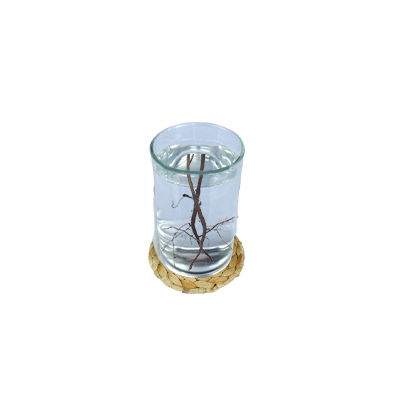
- Prepare fresh partridge pea root and wash until clean.
- Soak the root for a while.
- Strain then drink to maintain stamina during exercise (prevents fatigue, especially used by soccer players).
Reference Sources
- Royal Botanical Gardens. 2021. Plants of the World Online: Chamaecrista fasciculata (Michx.) Greene. https://powo.science.kew.org/taxon/urn:lsid:ipni.org:names:54500-2. 15-01-2022.
- Useful Temperate Plants Database. 2021. Chamaecrista fasciculata. http://temperate.theferns.info/plant/Chamaecrista+fasciculata. 15-1-2022.
- The North Carolina Extension Gardener Plant Toolbox. Chamaecrista fasciculata. https://plants.ces.ncsu.edu/plants/chamaecrista-fasciculata/. 15-01-2022.
- Friends of the Wild Flower Garden. 2013. Partridge Pea. https://www.friendsofthewildflowergarden.org/pages/plants/partridgepea.html. 15-01-2022.
- John Wagman. 2017. Chamaecrista fasciculata. http://johnwagman.com/rgvnp/Partridge%20Pea%20-%20Chamaecrista%20fasciculata/. 15-01-2022.
- Alabama Plant Atlas. 2022. Chamaecrista fasciculata. http://www.floraofalabama.org/Plant.aspx?id=1900. 15-01-2022.