Chloranthus elatior Link
Summary
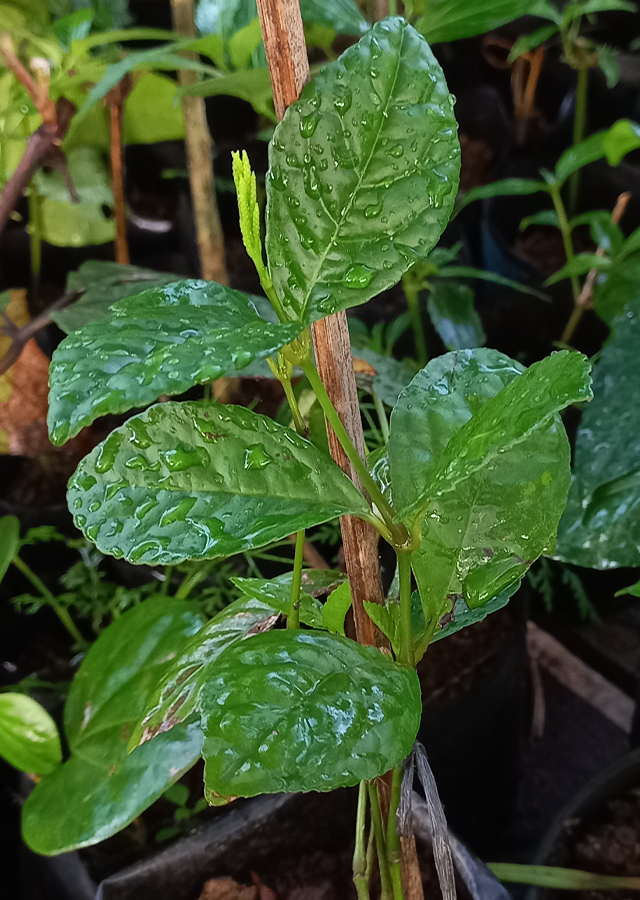
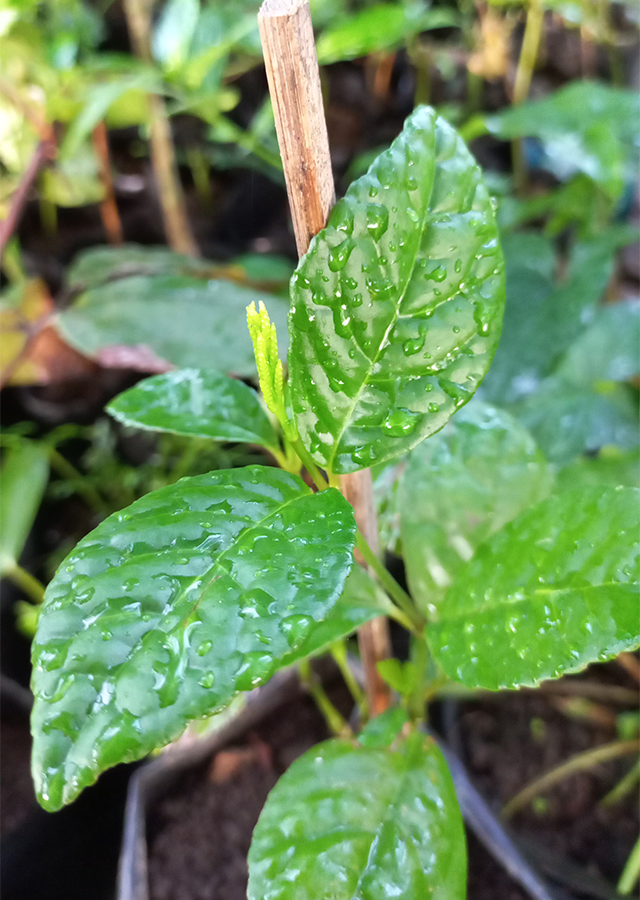
Heuras tulang (Chloranthus elatior) is a shrub up to 2 meters tall from the Chloranthaceae family spread from India to Papua New Guinea. Its flowers are used to scent tea in China, while its young leaves are eaten as a fresh vegetable in Malaysia and Indonesia. Heuras tulang is traditionally believed to have aphrodisiac properties, especially for women, and helps with childbirth.
Agroecology
Prefers tropical and subtropical climates, but can also be found in warm temperate regions. Grows under tree shade, especially in mountain forests at elevations up to 2,500 m asl, often found growing on limestone, but also in moist lowland soil. Established plants can withstand some drought. If drought is extreme and long-term, the plant's above-ground parts can dry out entirely, but the roots and stem base often survive, and new stems will grow back quickly and strongly right after the first heavy rain.
Morphology
- Stem cylindrical, green and smooth, nodes swollen and sometimes purplish.
- Leaves single, opposite; petiole 5-13 mm; leaf blade broadly elliptical or obovate to obovate or oblanceolate, 10-20 × 4-8 cm, stiff like paper, glandular, smooth, base pointed, margin serrated, tip gradually narrowing to a tail; lateral veins 5-9 pairs.
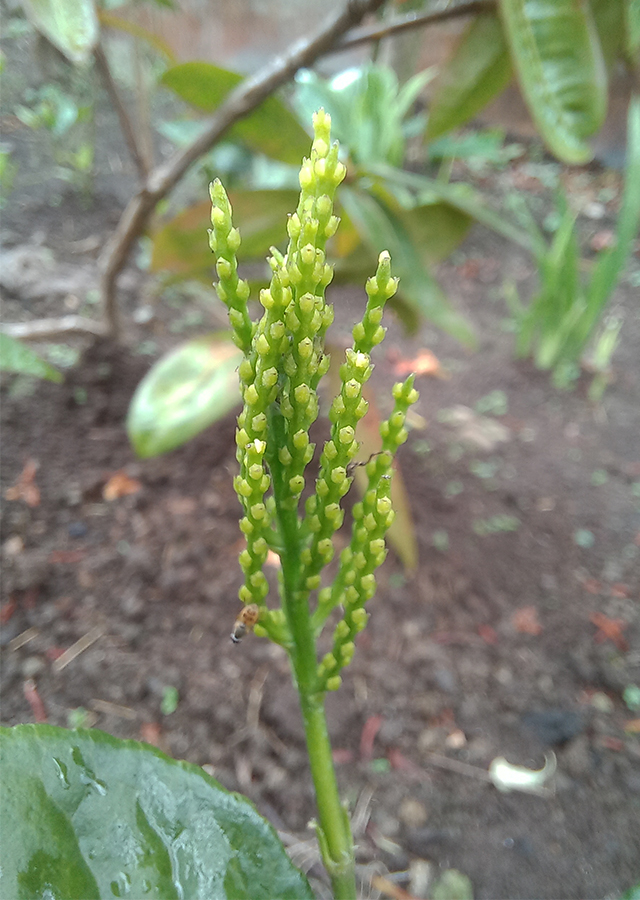
- Flowers the inflorescence appears at the stem tip, spike-shaped, dichotomously branched or racemose, arranged again in a panicle, long-stalked; bracts triangular or ovate. Flowers white, small. Stamens 3; connective confluent and ovate, not elongated, apical part 3-lobed; middle lobe larger, with a 2-locular anther; lateral lobes smaller, each with a 1-locular anther; theca in the middle or apical part of the connective. Ovary ovate.
- Fruit green when young, white when ripe, ovate, 5 mm in size.
- Seeds round, yellowish-white.
Cultivation
- Both seeds and cuttings are used for propagation. Optimal germination is obtained by using ripe seeds, dried in the shade, with the membrane removed. Seeds are sown directly in a moist, shaded nursery bed and germinate within a week. Seedlings are ready to be planted into individual pots about 2 months later. Then kept in a shaded nursery for 2-3 weeks and then planted in the field. Field planting should be done in the rainy season to avoid moisture stress.
- Cuttings 10-15 cm long are taken from branch segments about 5-8 mm in diameter. The cutting material should be placed in a shaded container, the soil and air should be kept moist by spraying. Cuttings are inserted into the planting medium to a depth of about 2 cm. Some farmers use hormones such as indole-3-acetic acid (IAA) and indole-3-butyric acid (IBA) to stimulate root growth. After one week the root length is about 1 cm, and after 3 weeks the first pair of leaves has appeared. After 2-3 pairs of leaves appear, the plant is ready to be planted individually into pots. This plant requires initial shade and gradual hardening before being planted in the field.
Chemical Content
Two new eudesmane-type sesquiterpenoid lactones (chlorelactone A and chlorelactone B), a new labdane-type diterpenoid (elatiolabdane), sesquiterpenoids, disesquiterpenoids, four new natural diastereoisomers of dinor-eudesmenes (chloranthone A-D), six eudesmane-type sesquiterpene lactones (chlorantholides A-F).
Benefits
As an aphrodisiac especially for women, contraceptive, antispasmodic during childbirth, stimulant, has sudorific action, remedy for venereal disease, treats fever, malarial fever, pain killer, postpartum eclampsia, cough, boils, local swelling, joint pain, rheumatism, skin inflammation, body aches, elephantiasis swelling.
Local Names
Harostulang (Sumatra), Uya Uyahan (Java).
Traditional Recipes
The following recipes reflect traditional knowledge passed down through generations, not a substitute for professional medical diagnosis or advice. Consult a healthcare provider before use.
1. Joint pain or rheumatism
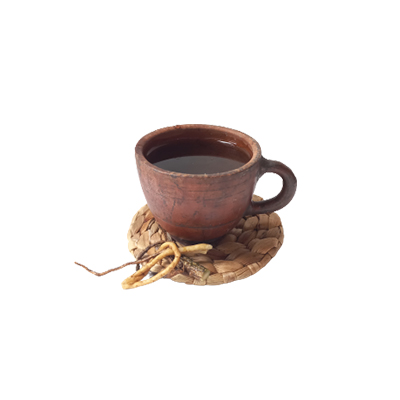
- Wash heuras tulang root with running water until clean.
- Boil the root until boiling.
- Let stand until warm/cool.
- Strain, then drink before eating and sleeping.
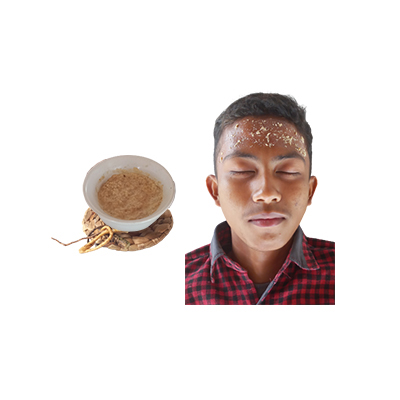
2. Fever
- Prepare fresh heuras tulang root, wash until clean.
- Boil the root then mash into a paste.
- Apply over the whole body to reduce fever.
Reference Sources
- Asian Plants. Chloranthus elatior Link Enum. Hort. Berol. Alt.. https://asianplant.net/Chloranthaceae/Chloranthus_elatior.htm. 8-10-2021.
- Royal Botanic Gardens. 2017. Plants of the World Online : Chloranthus elatior Link. http://www.plantsoftheworldonline.org/taxon/urn:lsid:ipni.org:names:77112331-1. 8-10-2021.
- Stuartxchange. 2020. Philippine Medicinal Plants : Barau-barau. http://www.stuartxchange.org/Barau-barau. 8-10-2021.
- Dodo dkk. 2016. Koleksi Kebun Raya Banua. Tumbuhan Berpotensi Obat. Lembaga Ilmu Pengetahuan Indonesia (LIPI) Pers. Jakarta. http://penerbit.lipi.go.id/data/naskah1466527386.pdf. 8-10-2021.
- Arseniuk Adam. 2020. Chloranthus erectus - Yasinha, Yu Zi Lan, Harostulang, Barau Barau, Kraduk Kai. https://herbsfromdistantlands.blogspot.com/2020/07/chloranthus-erectus-yasinha-yu-zi-lan.html?m=1. 8-10-2021.