Chrysophyllum cainito L.
Summary
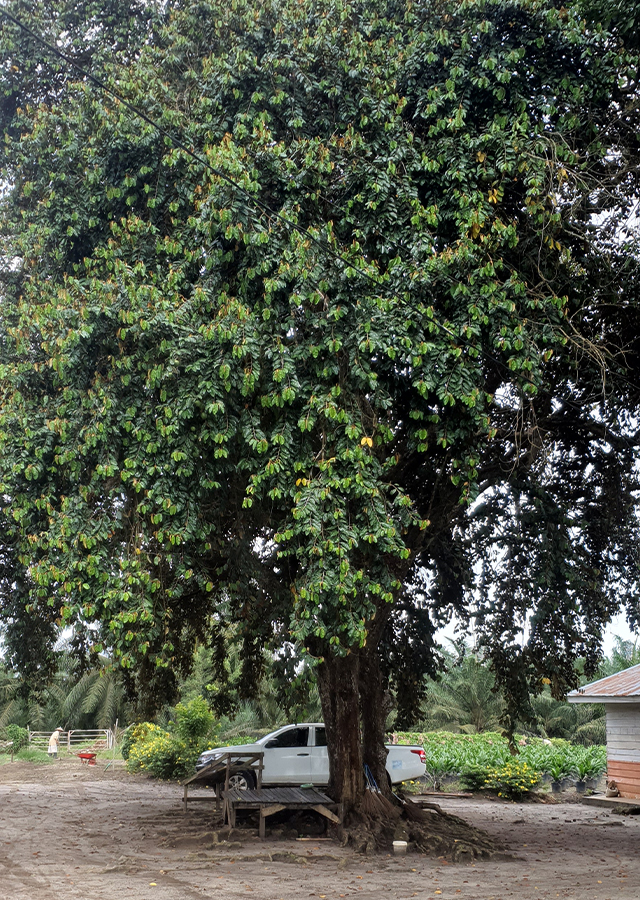
Kenitu (Chrysophyllum cainito) is a tree up to 30 meters tall of the Sapotaceae family, originating from the lowlands of Central America and the West Indies, now widely planted in the Philippines and Thailand as an ornamental and shade tree. Its glossy green or purple fruit is commonly eaten fresh, while the Cuban community in Miami uses its leaves as part of traditional cancer treatment. Kenitu is also believed to help relieve rheumatism and lower cholesterol levels.
Agroecology
Kenitu grows well in almost all soil types and across a wide climate range. In Southeast Asia this plant grows well in lowlands up to elevations of 400 m above sea level.
Morphology
- Stem cylindrical, woody, rough surface brown, dark gray to white in color and releases a lot of latex (thick white sap) when injured.
- Leaves single, golden brown in color due to fine hairs growing mainly on the underside of the leaf and on the twigs.
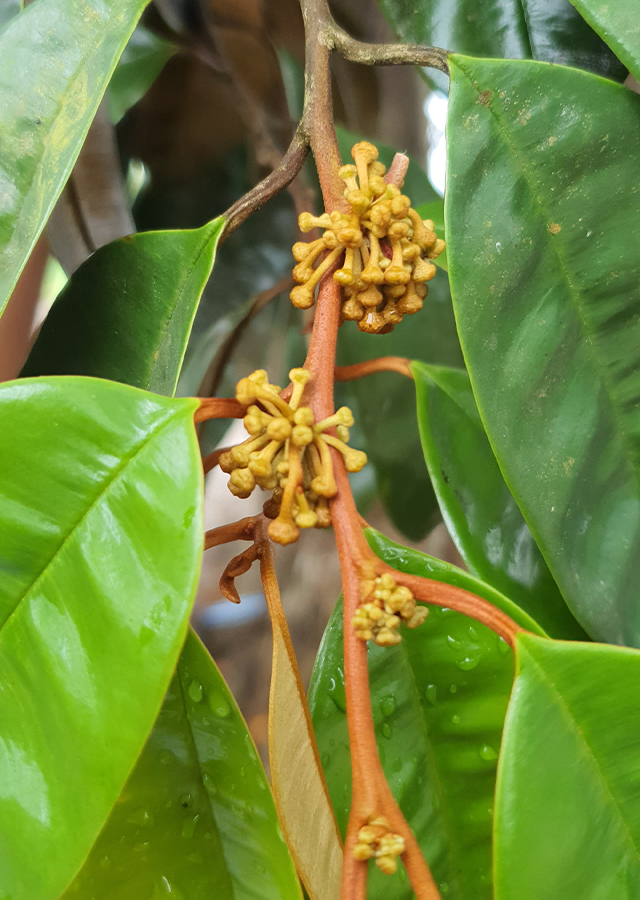
- Flowers located at leaf axils, clustered in groups of 5-35 small, long-stalked flowers, yellowish to purplish-white, sweetly fragrant.
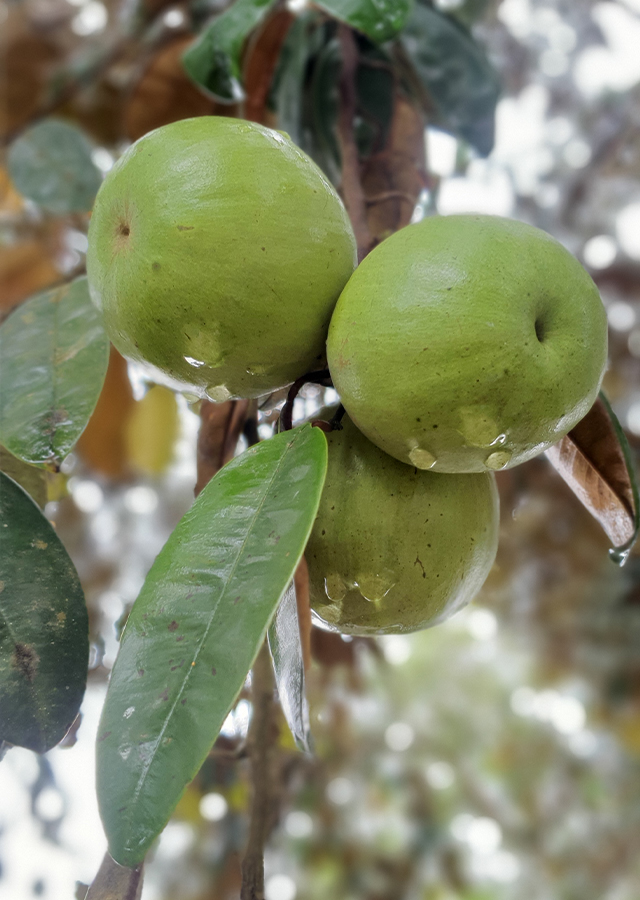
- Fruit round-egg shaped, 5-10 cm diameter, smooth glossy skin, purplish-red to dark purple or pale green, somewhat thick skin. Fruit flesh white, soft, sweet, containing up to 10 seeds.
- Seeds flat, hard and glossy, light brown to blackish-purple in color.
Cultivation
Propagated by seed, air-layering, grafting, and budding.
Chemical Content
Flavonoids, tannins, alkaloids, triterpenes, sterols, polyphenols, β-sitosterol, lupeol, gallic acid, steroids, cardiac glycoside, ursolic acid.
Benefits
Treats rheumatism, chest pain, diabetes, cough, tonic, relieves laryngitis and pneumonia, allergy prevention, cholesterol reducer, has antioxidant, anticancer, and antimicrobial activity.
Simplisia
- Collect fresh, non-rotten leaves.
- Wash thoroughly with running water.
- Dry in the sun under shade for several days until completely dry. Grind into a homogeneous powder.
- Store in a clean, airtight container.
Local Names
Sawo ijo or Apel ijo (Java), Sawo kadu (Banten), Sawo hejo (Sunda), Kenitu (East Java), Sawo manila (Lampung).
Traditional Recipes
The following recipes reflect traditional knowledge passed down through generations, not a substitute for professional medical diagnosis or advice. Consult a healthcare provider before use.
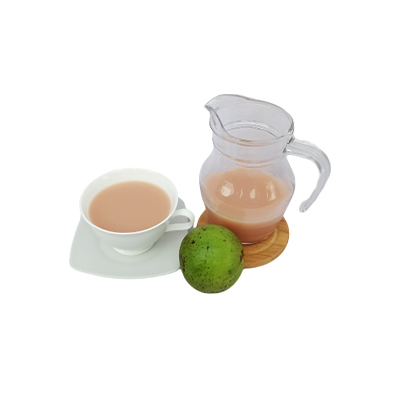
1. Kenitu Compote for Energy
- Prepare 700 g kenitu, 70 g granulated sugar, 1 finger-width cinnamon, 7 cloves, boiled water to taste, salt to taste.
- Cut the kenitu into pieces. Boil the sugar, cinnamon, cloves and salt over medium heat, once it boils and releases a fragrant aroma, remove and strain. Add the kenitu, then cook again over low heat until the kenitu looks wilted. Remove and serve.
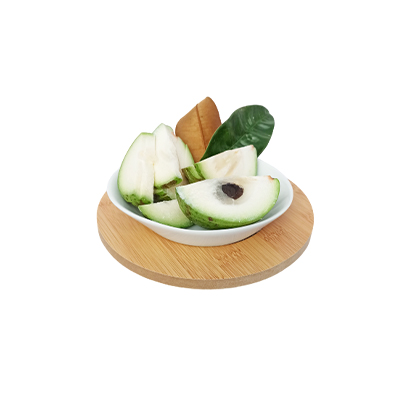
2. Relieving Laryngitis and Pneumonia
- Prepare kenitu fruit that has been washed thoroughly.
- Consume the kenitu fruit.
Reference Sources
- Puspaningtyas Desty Ervira. 2013. The miracle of fruits. agromedia pustaka, Jakarta.
- Pfaf. Chrysophyllum cainito. https://pfaf.org/User/Plant.aspx?LatinName=Chrysophyllum+cainito 09-07-2020
- Tropical Plants Database, Ken Fern. tropical.theferns.info. Chrysophyllum cainito. http://tropical.theferns.info/viewtropical.php?id=Chrysophyllum+cainito 27-01-2021