Cichorium intybus L.
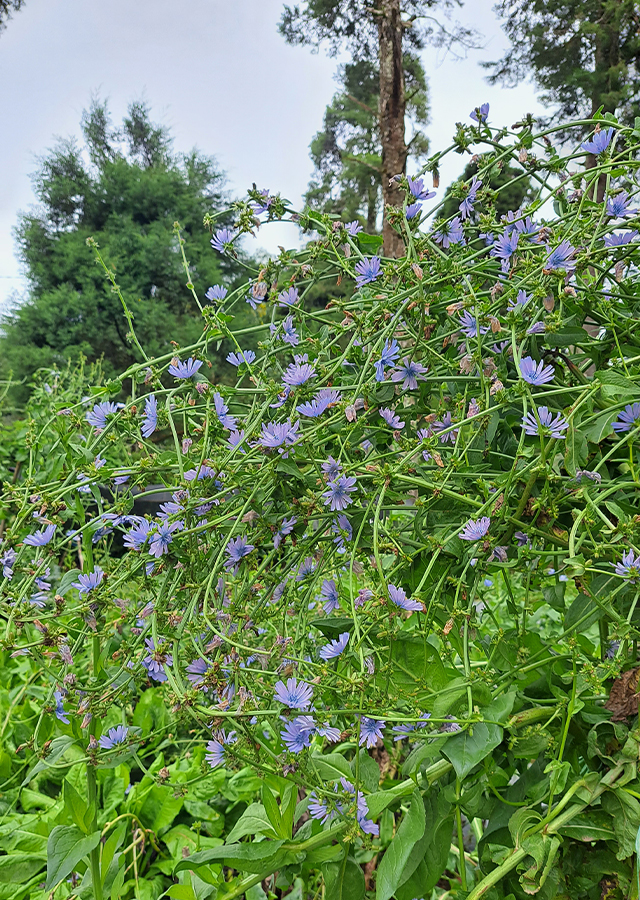
Summary
Cichorium intybus or chicory is native to Europe, West Asia, and Central Russia, now widely distributed as a temperate-climate weed across North America, China, and Australia. Its root is cultivated as a coffee substitute or a source of inulin extraction, while its leaves are eaten as a fresh or cooked vegetable. Chicory has a long history as an important medicinal plant in Eurasia and Africa, used to address various diseases from wounds to diabetes, besides being rich in essential vitamins and minerals for the body.
Agroecology
Chicory usually grows in open land, disturbed areas, vacant land, ditches, along cultivated land and roadsides, grasslands. Found growing in temperate regions. Chicory grows in all soil types, but when cultivated, grows best in fertile, well-drained soil, peat, sandy loam, or warm, moist sand. Chicory is a hardy plant and resistant to extreme temperatures during its vegetative and reproductive growth stages. Prefers full sun and is also drought-resistant. Prefers soil with an acidity level (pH) of 5.5 to 7, but tolerates a pH range of 4.5 to 8.3.
Morphology
- Roots a single, long, thick, strong, fleshy taproot, spindle-shaped, similar to a carrot.
- Stem upright, hollow, round, green to reddish brown, producing milky sap when cut, almost leafless and producing stiff, spreading branches. The lower stem is hairy.
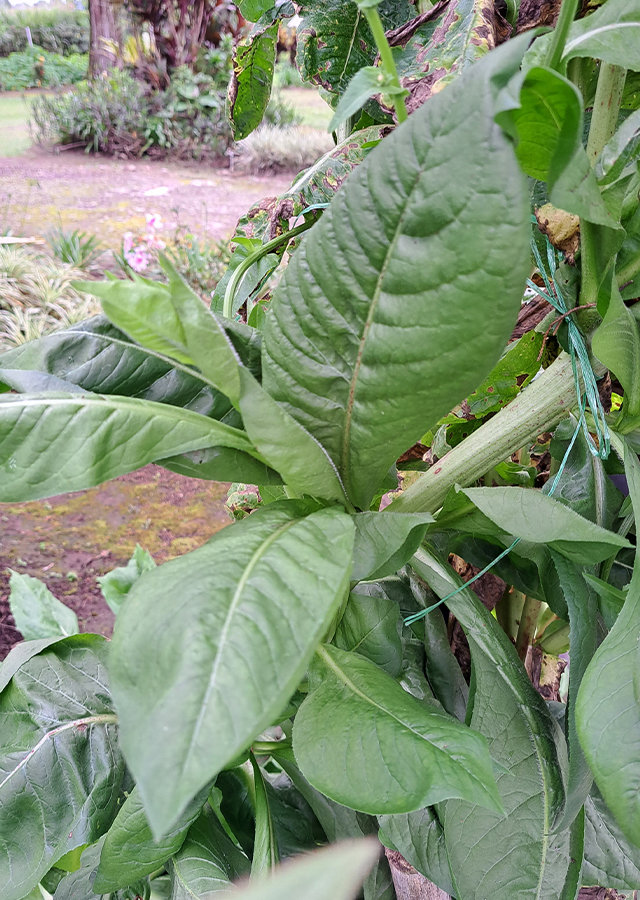
- Leaves rosette at the base of the plant or above the long, fleshy taproot, oblong or oblong-spatulate (inverted ovate) shaped, green, petiolate, coarse hairs on the upper and lower surfaces. Leaf margin shallowly to very deeply toothed. Has a somewhat bitter taste.
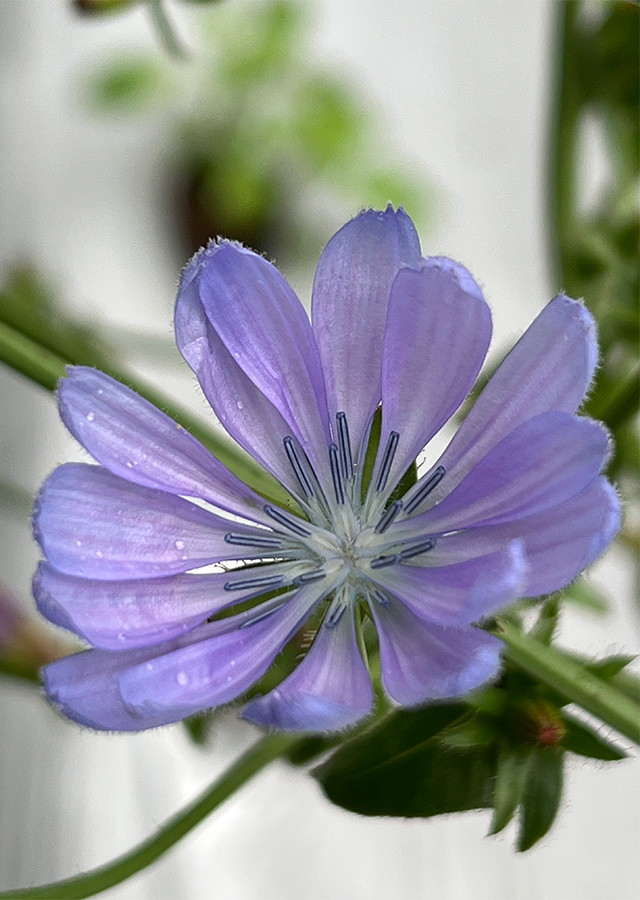
- Flowers usually bright blue, rarely white or pink, with long strap-shaped ligules with 5 apical teeth. There are two rows of involucral bracts, the inner longer and upright, the outer shorter and spreading. Each flower lasts only one day, blooming in the morning and closing in the afternoon. The inflorescence consists of several dozen flower heads, each with 12-30 florets.
- Witloof cabbage-like, wide leaves lanceolate shaped, length ranging from 2 to 3 times the width, milky white with a pale yellow tinge, slightly bitter taste.
- Fruit about 0.3 cm long, dark brown, wedge-shaped. The fruit (achenes) has no pappus or hairs, and toothed scales at the tip. The fruit consists of one seed.
- Seeds oblong (obovate) shaped, light brown in color.
Cultivation
- Plant propagation through seed.
- Sow in place or in a pot, then plant out as soon as large enough.
Chemical Content
Chicoric acid, amino acids (tryptophan, threonine, isoleucine, leucine, and lysine), inulin, coumarin, tannins, flavonoids (anthocyanin, flavonol, flavanone, and flavan-3-ols), sesquiterpene lactones (lactucin and lactucopicrin), alkaloids, saponins, aliphatic compounds, saccharides, the methoxycoumarin cichorine, essential oil, volatile compounds (octane, n-nonadecane, pentadecanone), cichoriin (esculetin-7-glucoside).
Benefits
Treats jaundice, uterine cancer and tumors, helps heal wounds, bruises, internal bleeding, liver disorders (enlarged liver), hemorrhoids, diabetes, reduces joint pain or arthritis, relieves symptoms related to mild digestive disorders (bloating and slow digestion), constipation, diarrhea, a tonic and appetite-stimulating stimulant, treats gallstones, kidney disorders, gastroenteritis, sinus problems, increases urination frequency, lowers "bad" cholesterol levels in the body, lowers high blood pressure, prevents cardiovascular disease, calms and reduces anxiety or relieves stress, a cough reliever, helps with weight loss, treats swollen and inflamed eyes. Has antioxidant, antimalarial, anti-inflammatory, anticancer, antiparasitic, antihepatotoxic activity.
Simplisia
- Prepare chicory root, wash until clean, then drain.
- Dry under direct sunlight for several days or with an oven at 40°C until the moisture content reaches 10%.
- Grind using a blender until it becomes powder.
- Store the simplisia in a clean, airtight plastic bag or container.
Local Names
Information not found. Further research is needed.
Traditional Recipes
The following recipes reflect traditional knowledge passed down through generations, not a substitute for professional medical diagnosis or advice. Consult a healthcare provider before use.
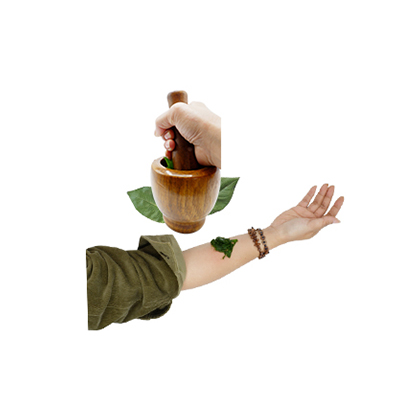
1. Heals wounds
- Take fresh chicory leaves and wash until clean.
- Grind until it becomes a paste.
- Apply the paste to the wound.
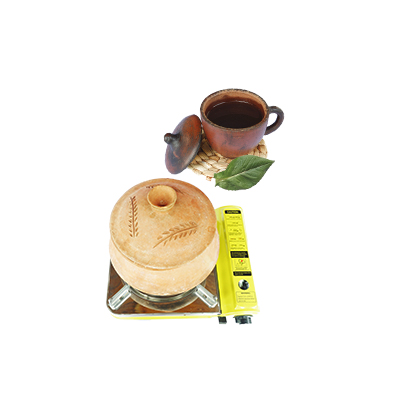
2. Treats tumors
- Prepare fresh chicory leaves and wash until clean.
- Boil for 5-10 minutes.
- Strain then drink.
Reference Sources
- Royal Botanic Gardens, Kew. Plants of the World Online: Cichorium intybus L.. https://powo.science.kew.org/taxon/urn:lsid:ipni.org:names:194533-1#synonyms. 08-01-2023.
- Plants For A Future. 2023. Cichorium intybus - L.. https://pfaf.org/user/plant.aspx?LatinName=Cichorium+intybus. 08-01-2023.
- Plant Resources of South-East Asia. 2016. Cichorium intybus (PROSEA). https://uses.plantnet-project.org/en/Cichorium_intybus_(PROSEA). 08-01-2023.
- Healthbenefitstimes. 2021. Chicory – Cichorium intybus. https://www.healthbenefitstimes.com/chicory/. 08-01-2023.
- IDN Medis. 2023. Chicorium Intybus: Manfaat – Efek Samping dan Tips Konsumsi. https://idnmedis.com/chicorium-intybus. 08-01-2023.
- Nwafor I. C., Shale K., Achilonu M. C. 2017. Review Article: Chemical Composition and Nutritive Benefits of Chicory (Cichorium intybus) as an Ideal Complementary and/or Alternative Livestock Feed Supplement. Hindawi. The Scientific World Journal Vol 2017. https://doi.org/10.1155/2017/7343928.
- Street R. A., Sidana J., Prinsloo G. 2013. Cichorium intybus: Traditional Uses, Phytochemistry, Pharmacology, and Toxicology. Hindawi Publishing Corporation. Evidence-Based Complementary and Alternative Medicine, Vol 2013. http://dx.doi.org/10.1155/2013/579319.