Citrus limon (L.) Burm. f.
Summary
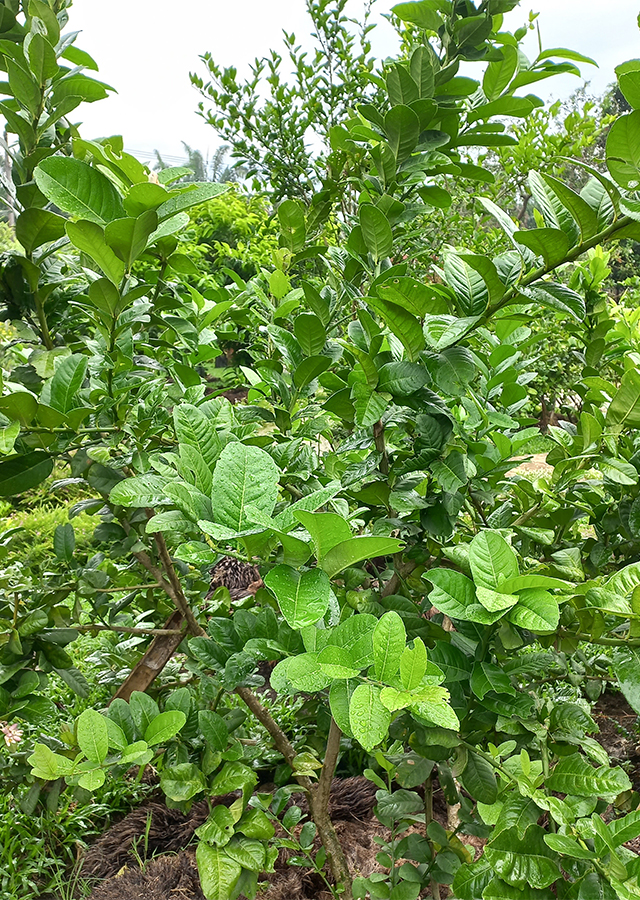
Lemon (Citrus limon) is a shrub or small tree 3-6 meters tall from the Rutaceae family thought to be native to Northwestern India, cultivated for at least 1,000 years. Before the discovery of vitamin C, lemon juice was traditionally used to treat scurvy in sailors. In traditional Romanian medicine, lemon is used to treat cough, while its peel produces an essential oil for perfume and food flavoring.
Agroecology
Lemon can grow in both highlands and lowlands, in tropical regions as well as subtropical countries. A good elevation is 500-1,200 m asl, while in lowland areas the elevation ranges between 100-400 m asl. Rainfall does not exceed 100 mm/month and air humidity is 50-85% with at least 3 dry months. The optimal temperature for citrus cultivation ranges between 25-30°C, with the coldest month averaging at least 15°C. Growth generally stops below 13°C and above 38°C. Prefers a fairly heavy loamy soil texture with plenty of compost and sand added, moist, well-drained, and in a very sunny position. Lemon growth also prefers a pH between 5 and 6. However it can tolerate a pH in the range of 4.8 to 8.3. This plant is not tolerant of waterlogging and dislikes root disturbance, so it must be placed in a permanent position when young.
Morphology
- Roots taproot.
- Stem with long but not dense spines, upright, round, sympodial branching, twigs green.
- Leaves young leaves initially purple, gradually turning green, ovate to lanceolate shaped with a serrate margin. Leaf wing narrow or marginal. Veins pinnate, leaf surface smooth.
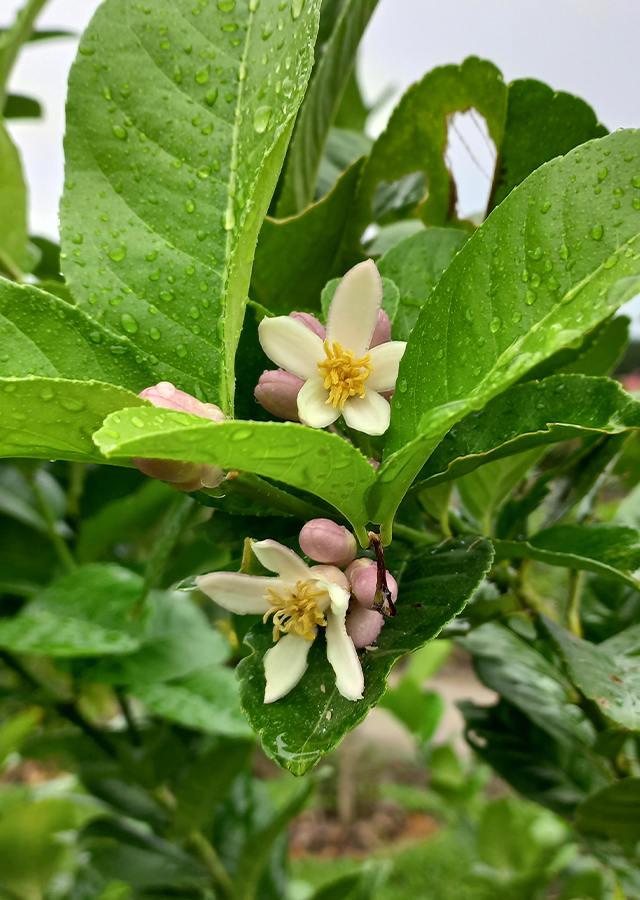
- Flowers bisexual, corolla of five petals, star-shaped, white with a purplish tinge at the petal margin. Calyx star-shaped. Stamens numerous, anthers kidney-shaped, yellow. Style cylindrical, stigma round, yellow. Flowers appear in clusters or solitary, somewhat fragrant. Appearing in the leaf axil.
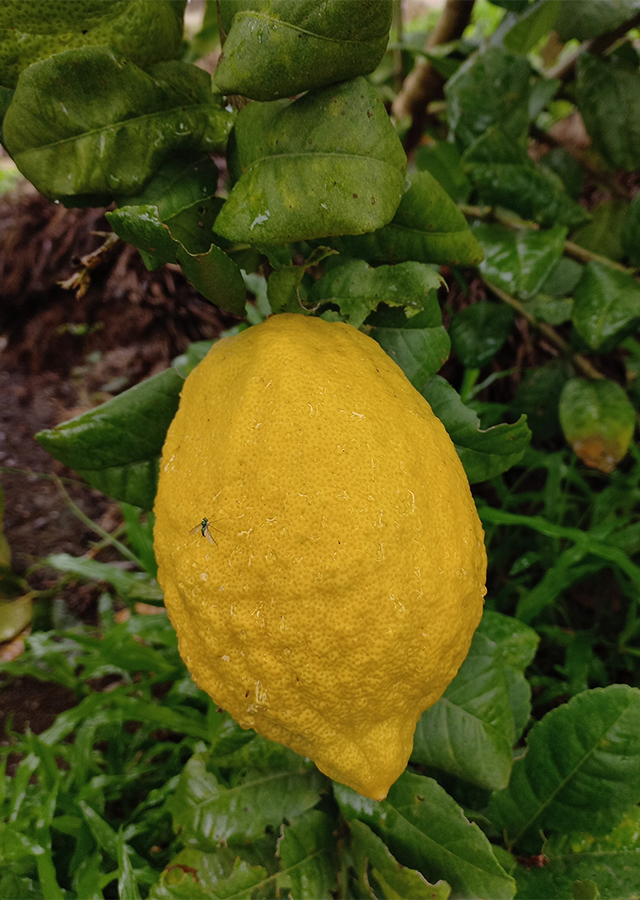
- Fruit round to oblong-round shaped with an apical mammilla (nipple-like structure at the tip attached to the branch), rind color of the ripe fruit bright yellow, taste sour, astringent, slightly sweet. Rind surface glossy.
- Seeds few, ovoid shaped, smooth surface.
Cultivation
- Propagation is generative (seed) and vegetative (grafting, air-layering).
- Seeds are obtained from physiologically ripe fruit; the seeds are washed clean and air-dried for 2-3 days until the mucilage disappears. The seeds are then sown and placed in a shaded location, watered once every two days to maintain moisture. After one week the seedlings have sprouted. Once the seedling reaches 15 cm tall, it can be transplanted into a polybag.
- For vegetative propagation, the plant to be used as stock should have strong, sturdy roots, high environmental adaptability, drought resistance, resistance to pests and diseases, a straight stem with a diameter of 15 cm, and high production.
- Harvesting is done when the fruit reaches optimal ripeness, about 8 months from the start of flowering.
Chemical Content
Essential oil (D-limonene, β-pinene, γ-terpinene), coumarins, phenolic compounds, carboxylic acids, amino acids, flavonoids (diosmin, hesperidin, limocitrin), phenolic acids (ferulic, sinapic, p-hydroxybenzoic acids).
Benefits
Helps the body fight infection and also prevents or treats scurvy, a mouthwash for sore throat, a cough remedy, maintains the body's immunity, a quinine substitute in treating malaria and fever, treats rheumatism, high blood pressure, colds, irregular menstruation or induces menstruation, chest pain, uterine infection and kidney stones, helps fight varicose veins and bruises, removes excess water from the body, is carminative (to relieve wind colic in the stomach by releasing gas from the digestive tract). Has antioxidant, anti-inflammatory, antimicrobial, anticancer, and antiparasitic activity.
Simplisia
- Prepare lemon fruit peel and wash until clean.
- Once washed, drain.
- Sun-dry directly for several days or use an oven at 40°C until the moisture content reaches 10%.
- Once dry, store the simplicia in a clean, airtight plastic or container
Local Names
Jeruk sitrun, Jeruk limun.
Traditional Recipes
The following recipes reflect traditional knowledge passed down through generations, not a substitute for professional medical diagnosis or advice. Consult a healthcare provider before use.
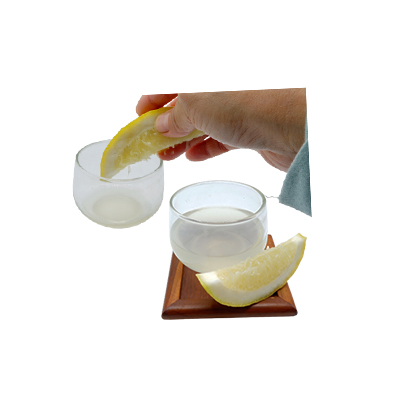
1. Sore throat
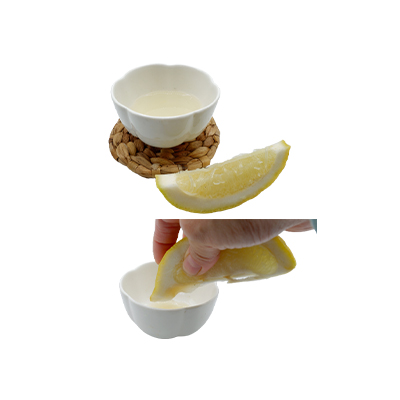
- Take an adequate amount of lemon fruit.
- Slice then squeeze and take the juice.
- Gargle the lemon juice to relieve sore throat.
2. Malaria
- Prepare an adequate amount of lemon fruit.
- Slice then squeeze and take the juice.
- Drink the lemon juice to treat malaria.
Reference Sources
- The Plant List . 2010. Citrus limon (L.) Burm. f. http://www.theplantlist.org/tpl/record/tro-28100570. 24-01-2022.
- Useful Tropical Plants Database. 2021. Citrus limon. https://tropical.theferns.info/viewtropical.php?id=Citrus+limon. 24-01-2022.
- Flora Fauna Web. 2021. Citrus limon. https://www.nparks.gov.sg/florafaunaweb/flora/3/6/3671. 24-01-2022.
- Szczykutowicz M. K., Szopa A., Ekiert H. 2020. Citrus limon (Lemon) Phenomenon—A Review of the Chemistry, Pharmacological Properties, Applications in the Modern Pharmaceutical, Food, and Cosmetics Industries, and Biotechnological Studies. Plants (Basel), 9(1): 119. dalam https://www.ncbi.nlm.nih.gov/pmc/articles/PMC7020168/. 24-01-2022.
- Balai Pengajian Teknologi Pertanian Sumatera Barat. 2021. Jeruk Lemon Tanaman Buah Kaya Manfaat. http://sumbar.litbang.pertanian.go.id/index.php/info-tek/1731-jeruk-lemon-tanaman-buah-kaya-manfaat. 26-01-2022.
- Permana Z. A. 2021. Pengaruh Bahan Stek dan Konsentrasi Hormon Naphthalene Acetic Acid (NAA) Terhadap Pertumbuhan Stek Jeruk Lemon (Citrus limon L.) pada Media Cocopeat. Skripsi. Universitas Medan Area. Medan.