Citrus x aurantiifolia (Christm.) Swingle
Summary
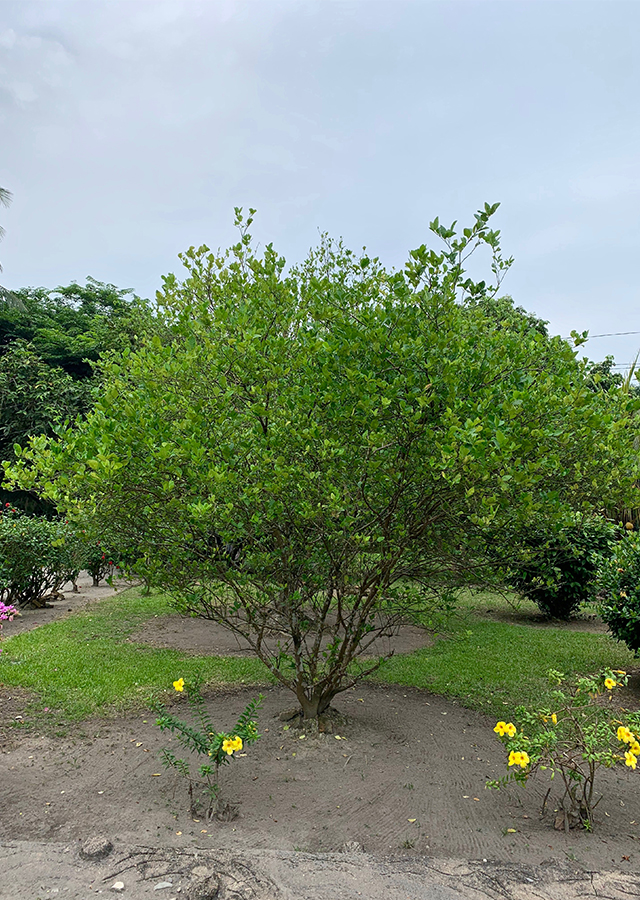
Key lime (Citrus x aurantiifolia) is a shrub up to 6 meters tall of the Rutaceae family, believed to originate from the border region of Northern India with Myanmar and northern Malaysia. Its juice is an essential seasoning in many Nusantara dishes and is known to be rich in vitamin C, able to meet up to half of the body's daily needs. For generations, key lime has been used to relieve colds, sore throat, and aid digestion.
Agroecology
Grows in lowlands up to 2,200 m above sea level, in a dry climate (2-4 or 4-6 dry months). Favors soil with a pH of 6-6.5, optimal rainfall of 700-1,000 mm/year, and good irrigation. Optimum temperature is 25-30 °C with average humidity of 50-85% and direct sunlight.
Morphology
- Roots taproot, can reach up to 4 m long in fertile soil.
- Stem heavily branched, with short, sharp thorns.
- Leaves compound, elliptical, rounded base, blunt tip, scalloped margins.
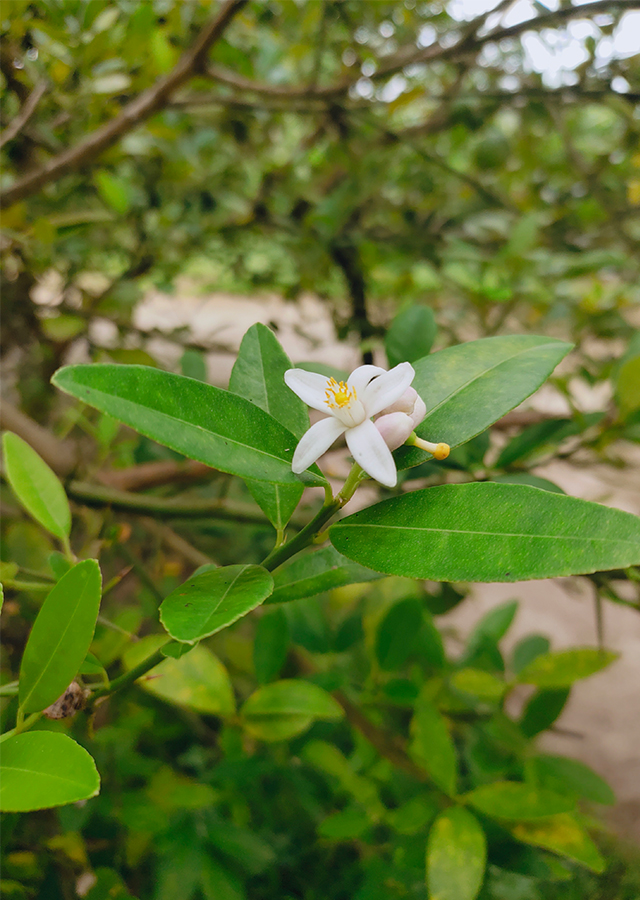
- Flowers compound, emerging from the leaf axils, small, white, and fragrant.
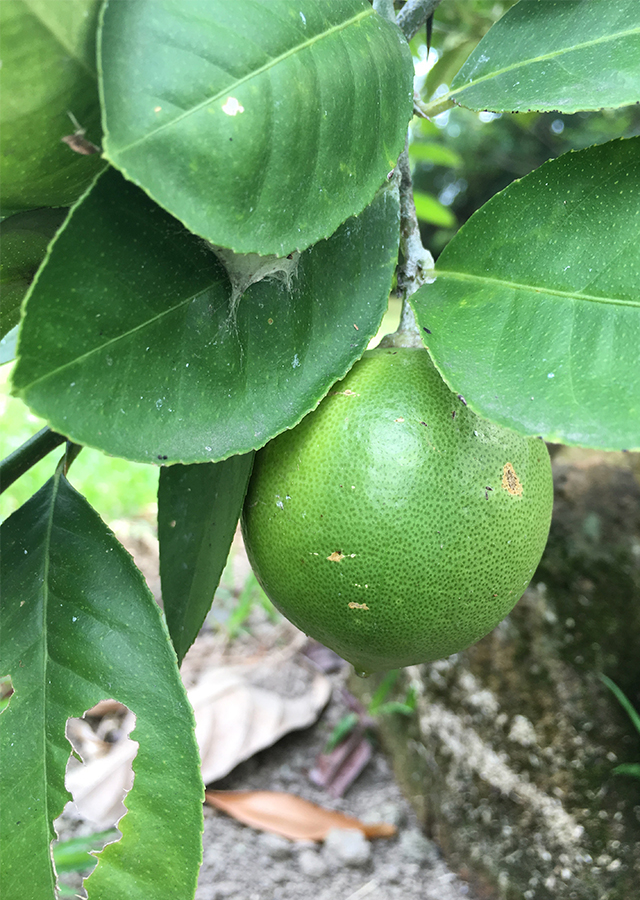
- Fruit round to ovate, green to yellow, thin-skinned, fairly thick flesh, non-fibrous interior, sour taste.
Cultivation
Propagated by seed (air-dried for 2-3 days, then sown), air layering (bark removed along a 5-10 cm section of branch, cambium scraped, left for 1 day, then covered with soil, wrapped in fiber/plastic and tied), or by budding.
Chemical Content
Alkaloids, tannins, saponins, steroids, cardiac glycosides, limonene, linalool, α-pinene, β-pinene, linalyl acetate, flavonoids (apigenin, rutin, quercetin, kaempferol).
Benefits
Antibacterial, antioxidant, antimicrobial, antiviral, antiseptic, antifungal, anthelmintic; acts as a diuretic; treats headache, arthritis (joint inflammation); addresses stomach disorders; aids digestion; reduces stomach acid; treats colds and cough, sore throat; stimulates appetite; addresses gout; boosts the immune system; and helps normalize the body's pH levels.
Simplisia
Information not yet available.
Local Names
Kelangsa (Aceh), Jeruk pecel (Java), Jeruk alit (Nusa Tenggara), Lemo (Bali), Dongaceta (Bima), Mudutelong (Flores).
Traditional Recipes
The following recipes reflect traditional knowledge passed down through generations, not a substitute for professional medical diagnosis or advice. Consult a healthcare provider before use.
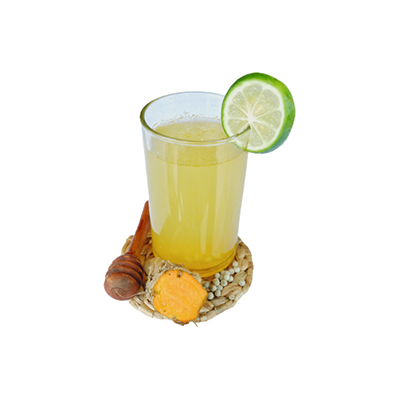
1. Sore Throat
- Prepare: 1 tsp turmeric powder, a pinch of pepper powder, 1 key lime, and 1 tbsp honey.
- Steep the turmeric and pepper, add the key lime juice, into 300 ml of warm water, then add honey.
- Drink the mixture while warm.
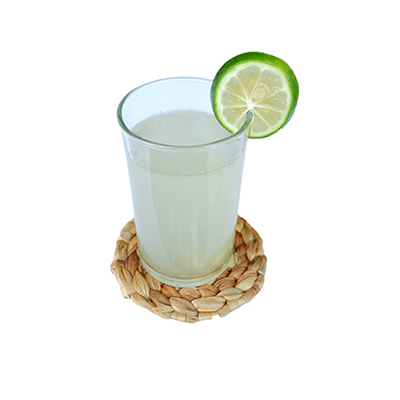
2. Reducing Stomach Acid
- Prepare 1 key lime, then squeeze the juice.
- Add 200 ml of warm water and mix well.
- Drink every morning upon waking, before consuming any food or drink.
- Drink regularly.
Reference Sources
- CABI. (2019). Invasive Species Compendium. Citrus aurantiifolia (lime). https://www.cabi.org/isc/datasheet/13438. 11-08-2020
- Fern, Ken, (2014). Useful Tropical Plants. Citrus aurantiifolia. http://tropical.theferns.info/viewtropical.php?id=Citrus+aurantiifolia. 11-08-2020
- PFAF. (No date). Citrus aurantiifolia. https://pfaf.org/user/Plant.aspx?LatinName=Citrus+aurantiifolia. 11-08-2020
- Stuart Xchange. (2016). Philippine Medicinal Plants: Dayap. http://www.stuartxchange.org/Dayap. 11-08-2020
- AKK. 2004. Budidaya Tanaman Jeruk. Kanisius, Yogyakarta
- Arham Z, Ahmad U, Soeroso. 2004. Evaluasi Mutu jeruk nipis (Citrus aurantifolia Swingle)
- Abdallah EM. 2016. Preliminary phytochemical and antibacterial screening of methanolic leaf extract of Citrus aurantifolia. Pharm. Biotechnol. Curr. Res. 1(1): 2-6.
- Akinnibosun F, Edionwe OO. 2015. Evaluation of the phytochemical and antimicrobial potential of the leaf extracts of Bryophyllum pinnatum L. and Citrus aurantifolia Sw. and their synergy. J. Appl. Sci. environ. Manage 19(4): 611-619
- Enejoh SO, Ogunyemi IO, Bala MS, Oruene IS, Suleiman MM, Ambali SF. 2015. Ethnomedical importance of Citrus Aurantifolia (Christm) Swingle. The Pharma Innov. J. 4(8): 01-06.
- Hariana Arief. 2006. 262 Tumbuhan Obat dan Khasiatnya. Penebar Swadaya, Jakarta.
- Loizzo MR, Tundis R, Bonesi M, Menichini F, Luca DD, Colica C, Menichinia F. 2012. Evaluation of Citrus aurantifolia peel and leaves extracts for their chemical composition, antioxidant and anti-cholinesterase activities. J. Sci. Food Agric. 92(15): 2960-2967.
- Tundis R, Loizzo MR, Bonesi M, Menichini F, Mastellone V, Colica C, Menichini F. 2012. Comparative study on the antioxidant capacity and cholinesterase inhibitory activity of Citrus aurantifolia Swingle, C. aurantium L., and C. bergamia Risso and Poit. peel essential oils. J. Food Sci. 71(1): 40-46.
- Radang Tenggorokan Grup 1 (Ibu Riky, Dewi Kartika. 2020. Seumayam, Aceh)
- Mengurangi Asam Lambung Grup 2 (Ibu Dadin. Martien Novarina. 2020.Tanah Gambus)
- http://sciencedirect.com// Chemicalco,positionandin-vitroandantioxidantandantimicrobialactivityoftheessentialoilofCitrusaurantifoliaL.leavesgrowninEasternOman, 18-01-2021