Cocculus orbiculatus (L.) DC.
Summary
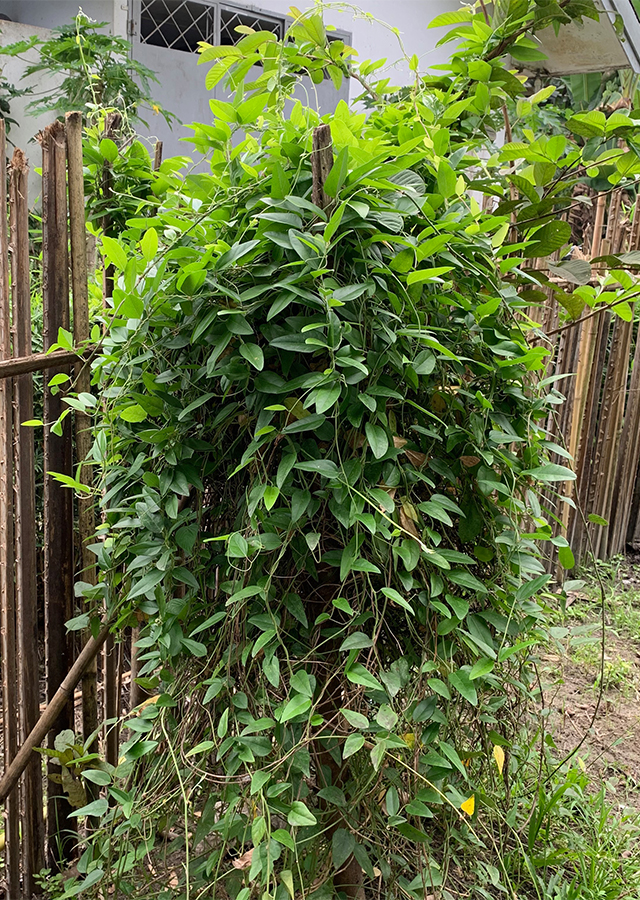
Cincau minyak (Cocculus orbiculatus) is a vine up to 2-10 meters tall of the Menispermaceae family, distributed from Nepal and China to West and Central Java. In Vietnam and China, this plant is used as traditional medicine, while in Indonesia and Thailand its leaves are processed into grass jelly. Cincau minyak is believed to be anti-inflammatory and to help relieve asthma and bronchitis.
Agroecology
This plant can grow in lowlands up to elevations of ± 1,500 m above sea level. Grows wild at forest edges, ravine slopes, and wild thickets. Prefers somewhat shaded places and grows climbing on other shrubs.
Morphology
- Root swollen in shape, black on the outside when dry, wood-like inside.
- Stem small, green bark.
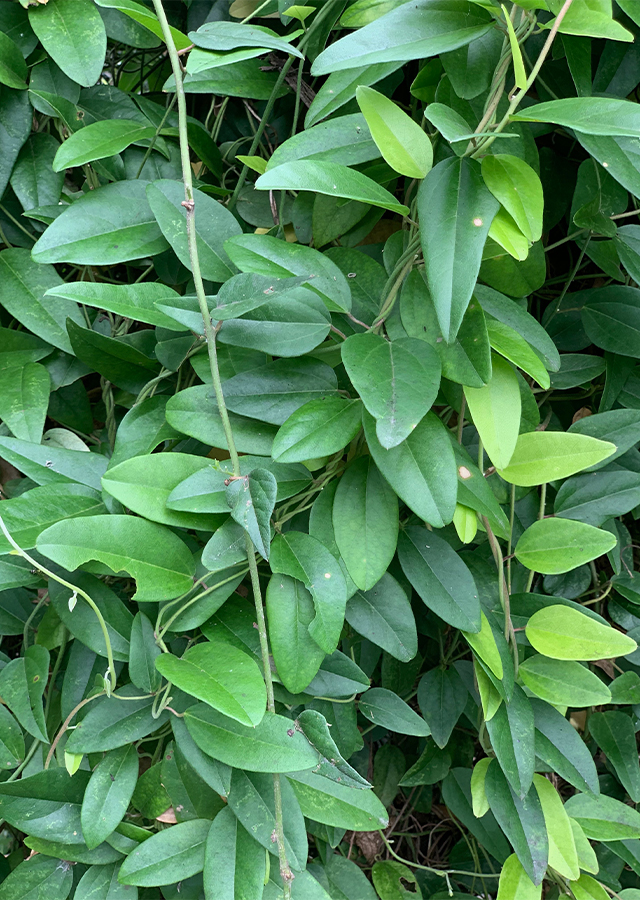
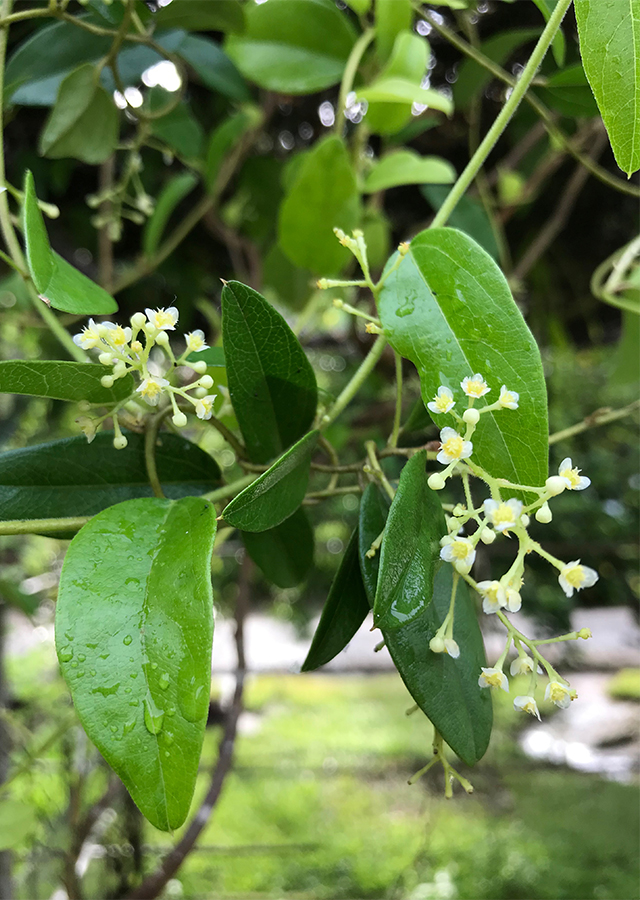
- Leaves single, thin, oblong, sometimes with 3 shallow lobes with a pointed-rounded apex, glossy green.
- Flowers monoecious, small, arranged in inflorescences located at the tips of twigs or leaf axils.
Cultivation
- Propagated generatively (seed), and vegetatively (root suckers, stem layering and stem cuttings).
- Seeds come from ripe, undamaged fruit. Remove the fruit flesh and dry the seeds before planting.
Chemical Content
Wattisine A, cocsoline, magnoflorine, coclaurine, daucosterol, β-sitosterol, sino-coculine, oleioyl-glycerol.
Benefits
Anodyne (pain relief), epilepsy, anti-inflammatory, antirheumatic, depurative (blood purifier), diuretic (urine promoter), vermifuge, antibacterial, treats asthma, bronchitis and paralysis, remedy for stomach ache, antitumor, calluses, and aids digestion.
Simplisia
- Wash cincau leaves thoroughly with running water, then sort out impurities and drain.
- Finely chop the leaves. Dry with indirect sunlight for 3 days and cover with a black cloth.
- Store in a place protected from light.
Local Names
Information not yet available.
Traditional Recipes
The following recipes reflect traditional knowledge passed down through generations, not a substitute for professional medical diagnosis or advice. Consult a healthcare provider before use.
1. Calluses
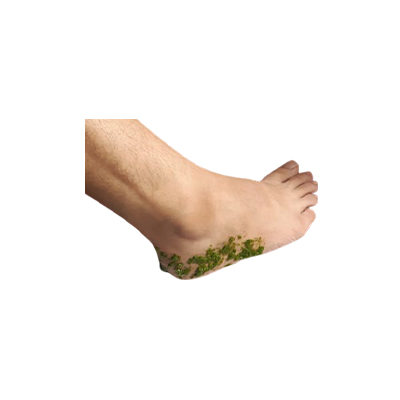
- Take ¼ handful of cincau minyak leaves, ¼ handful of fresh henna leaves, 1 tbsp lime juice.
- Wash the ingredients, then grind finely. Add the lime juice and mix evenly.
- Apply the mixture to the thickened skin. Wrap with a bandage cloth. Change the bandage and mixture twice a day.
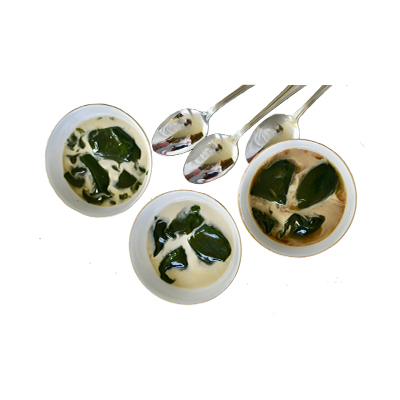
2. Aiding digestion
- Take 50 mature cincau minyak leaves, wash thoroughly.
- Prepare 250 ml boiled water, knead the leaves by hand with a little water first, once the leaves are crushed add water up to 250 ml, knead again.
- Strain the cincau extract liquid and leaves. Place the extract liquid in a covered container, leave at room temperature until the texture thickens like jelly. Store and chill the cincau in the refrigerator.
Reference Sources
- The Plant List. A working List of All Plant spesies. Cocculus orbiculatus (L.) DC. http://www.theplantlist.org/tpl1.1/record/kew-2729703 28-01-2021
- Cindy Wijaya. 2020. Resep Herbal Kapalan Lembutkan Kembali Kulit yang Mengeras. https://www.deherba.com/resep-herbal-kapalan.html 18-07-2020
- Hilda Rangkuti. 2020. Melancarkan sistem pencernaan. SSPL, Bangun Bandar.
- Researchgate. Chemical constituents of Cocculus orbiculatus var. mollisroot. https://www.researchgate.net/publication/264644875_Chemical_constituents_of_Cocculus_orbiculatus_var_mollis_root 28-01-2021