Cocos nucifera L.
Summary
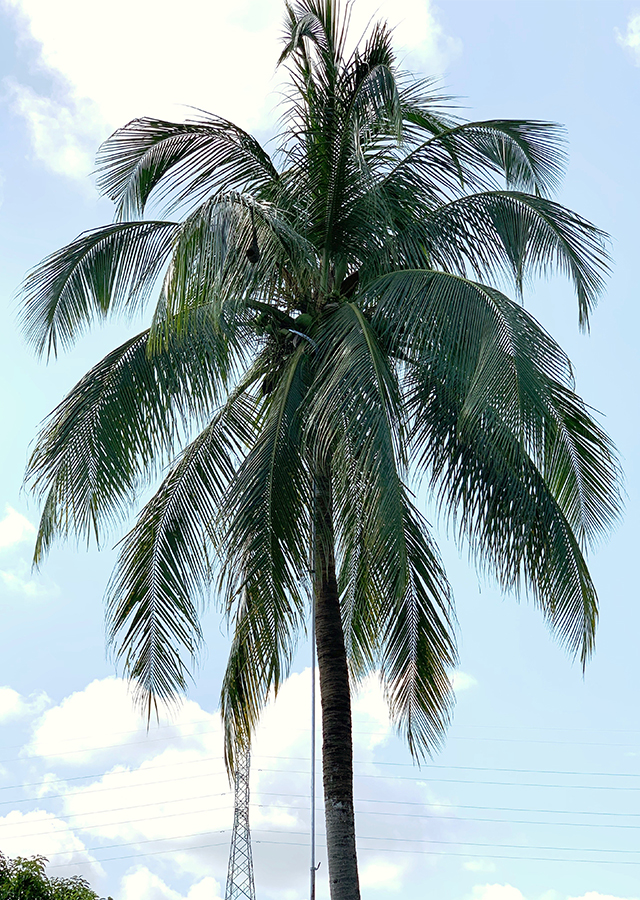
Coconut (Cocos nucifera) is a palm 10-14 meters tall of the Arecaceae family, whose origin remains debated—some point to the Andes Valley in Colombia, South America, while others believe it is native to South Asia or the Western Pacific. Nearly every part of this tree is used, from its water and flesh to its oil and fiber for crafts and soap. Traditionally, coconut is also used to neutralize poison, reduce fever, and treat burns.</p>
Agroecology
This plant is widely found in tropical regions. Grows from coastlines up to an elevation of 600 m above sea level. Favors areas with rainfall of 1,300-2,300 mm/year, well-drained soil, minimum sunlight duration of 120 hours/month, is not shade-tolerant, air temperature of 20-27 °C, and soil pH of 6.5-7.5.
Morphology
- Roots fibrous, also with root hairs.
- Trunk straight, cylindrical, unbranched, without cambium, slender, gray, with a ringed or grooved pattern.
- Leaves compound, yellowish-green. Leaflets lanceolate, 50-150 cm long.
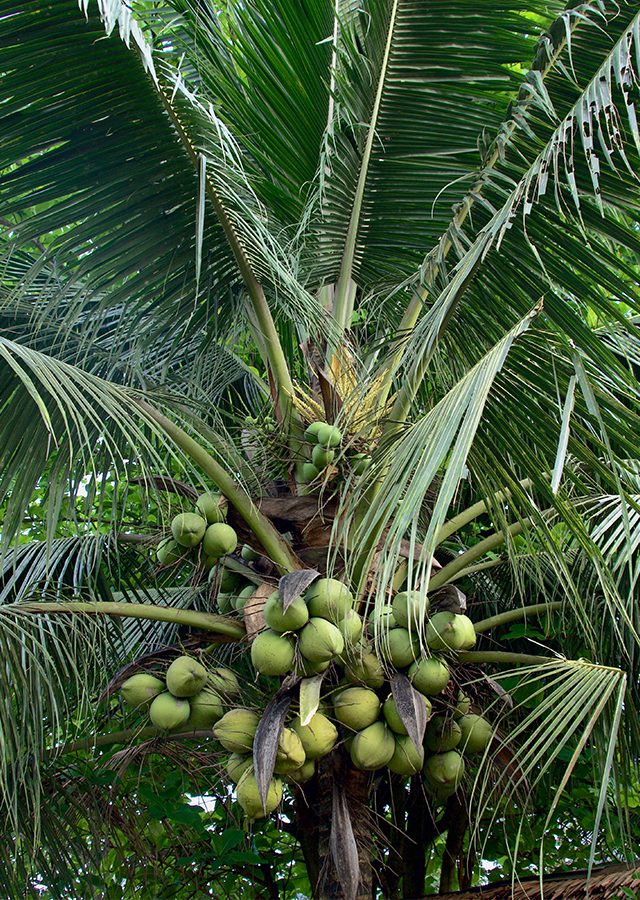
- Flowers creamy to yellow, monoecious, emerging from the leaf axils.
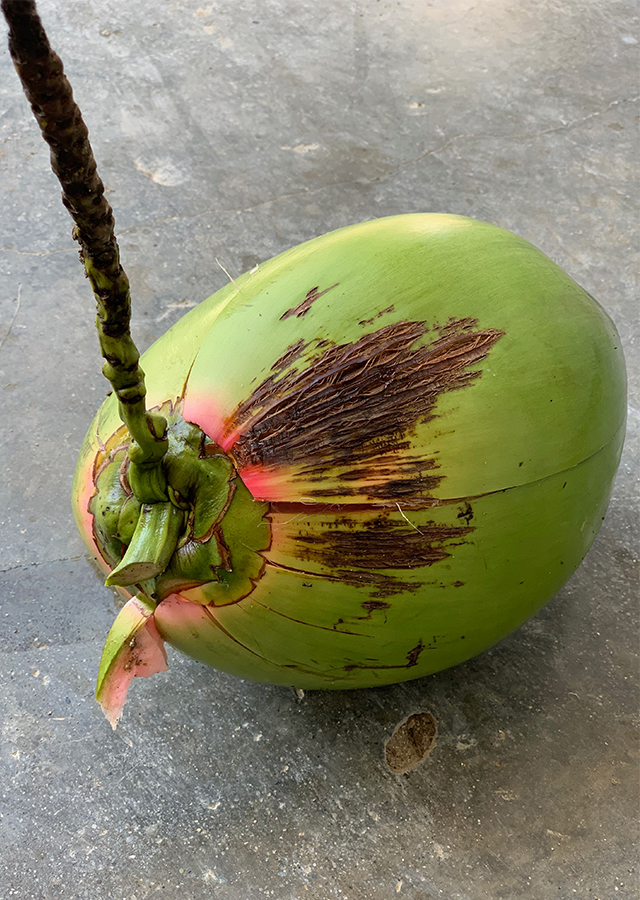
- Fruit green, large, fibrous middle layer, hard inner shell, containing endosperm liquid, white flesh.
Cultivation
- Propagated using the fruit as seed. Good seeds are 4/5 brown-skinned, undamaged husk, smooth, and produce a ringing sound when shaken.
- Nursery (polybag) for 6-12 months; once it has 6 leaves and is 90-100 cm tall, transplant to the field. Root pruning outside the polybag is done 2-3 days before planting.
Chemical Content
Cytokinins, auxins, gibberellins (GAs), amino acids, terpenoids, alkaloids, resin, glycosides, steroids, lauric acid, myristic acid, caproic acid, caprylic acid, capric acid, oleic acid.
Benefits
Addresses mouth and dental problems; neutralizes poison; controls blood pressure; reduces fever; treats burns, scabies, eczema, intestinal worms, diarrhea; relieves nausea; raises good cholesterol (HDL) levels.
Simplisia
Information not yet available.
Local Names
Information not yet available.
Traditional Recipes
The following recipes reflect traditional knowledge passed down through generations, not a substitute for professional medical diagnosis or advice. Consult a healthcare provider before use.
1. Diarrhea and Nausea
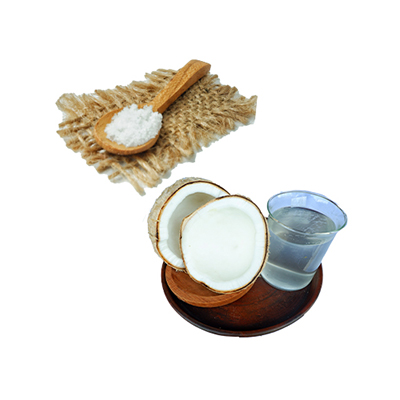
- Prepare ½ cup young coconut water, ½ tsp salt, ½ cup boiling water.
- Mix all ingredients and stir until dissolved.
- Drink every 2 hours until diarrhea stops.
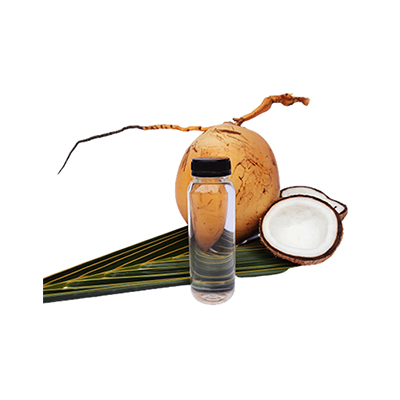
2. Making VCO (Virgin Coconut Oil)
- Prepare mature coconut, then grate and squeeze the flesh.
- Mix the coconut milk for ± 20-30 minutes (medium speed). Pour into a transparent container. Let sit for ± 24 hours.
- Once the coconut milk separates into pulp, water, and oil, gradually and slowly remove the top layer of pulp before the oil, placing it in a strainer, continuing until the oil is used up or nears the water.
- Let the oil drip out little by little until everything on the strainer is used up. Repeat straining 3 times.
Reference Sources
- Ministry of Health. 2009. Guidelines For the Use of Herbal Medicines in Family Health Care. Ministry of health, republic of indonesia
- Yudi Hamdani. 2004. Pembuatan Minyak VCO. Medan.
- Tropical Plants Database, Ken Fern. tropical.theferns.info . Cocos nucifera. http://tropical.theferns.info/viewtropical.php?id=Cocos+nucifera 13-01- 2021