Coffea arabica L.
Summary
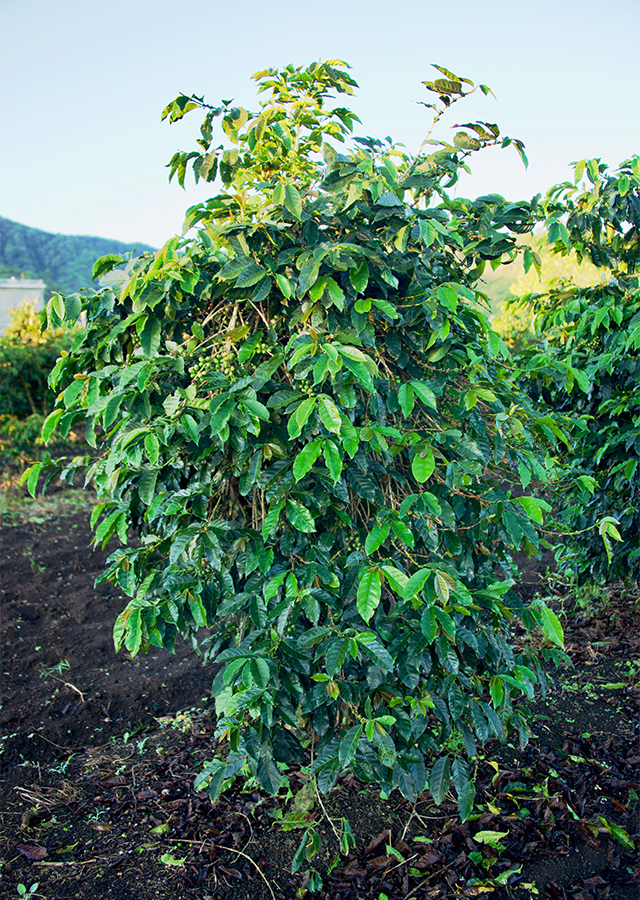
Arabica coffee (Coffea arabica) is a shrub 1.5-5 meters tall of the Rubiaceae family, native to the southern and western highlands of Ethiopia, later spreading via Yemen, India, to Sri Lanka as the first coffee species successfully identified. Its distinctive aroma resembling fruit and flowers makes it the most favored coffee variety in the world. Besides boosting stamina, its beans are also rich in antioxidants believed to help lower the risk of diabetes and heart disease.
Agroecology
Grows in highlands at 1,000 m above sea level, temperature 18-22 °C. Rainfall for arabica coffee cultivation is 1,750-3,000 mm/year, land slope less than 30%, soil pH 5.5-6.5, effective soil depth over 100 cm, and good sunlight penetration.
Morphology
- Roots taproot, with lateral roots, about 100 cm long from the ground surface.
- Stem cylindrical, erect, heavily branched. 2 types of branches (vertical and horizontal), gray bark, thin. Cracked and rough with age.
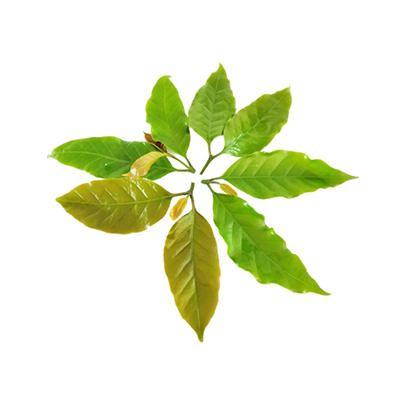
- Leaves oblong-ovate, glossy green as if coated in wax, wavy margins.
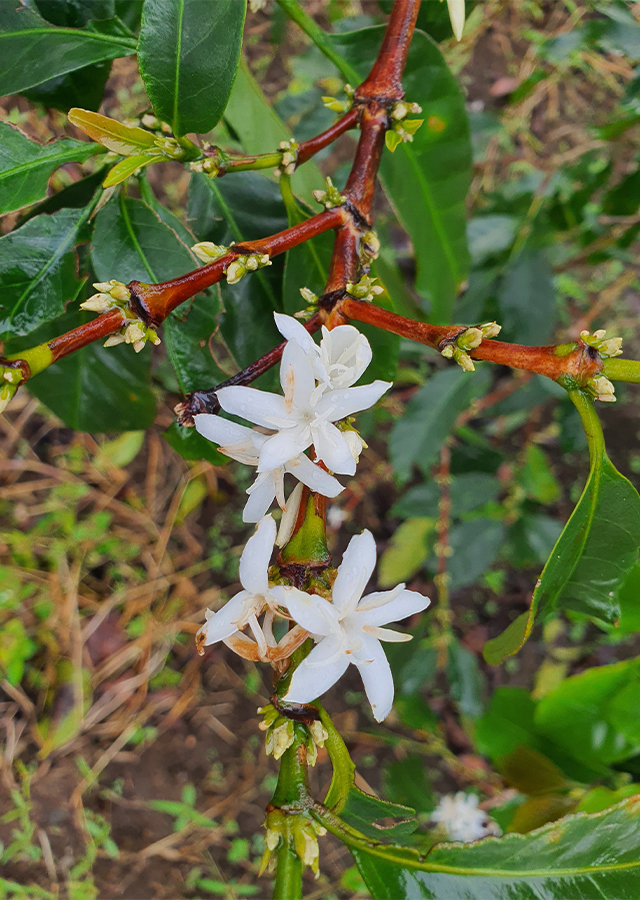
- Flowers grow from the leaf axils, white, corolla 1.5 cm in size.
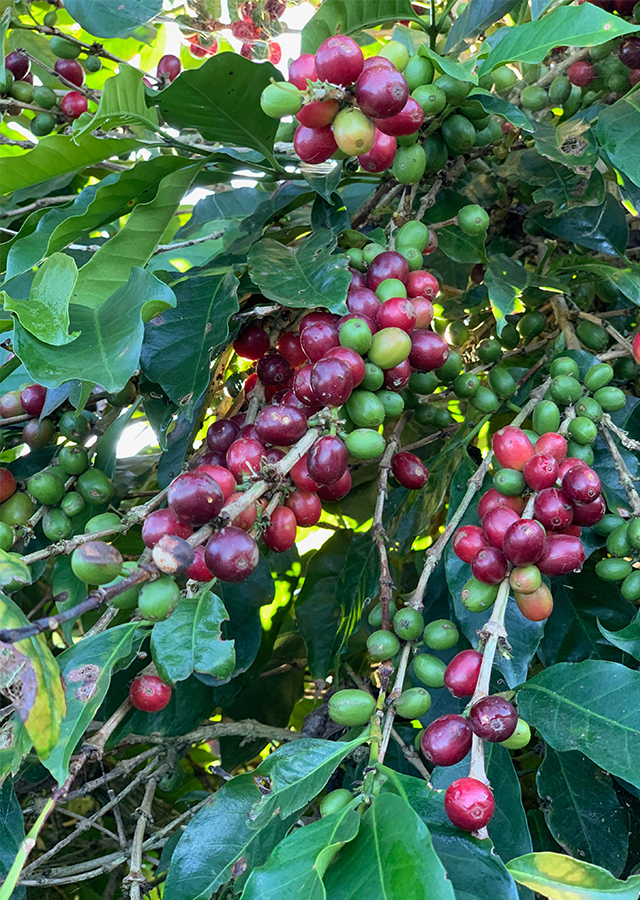
- Fruit ovate or ellipsoid, green (young fruit), bright red (ripe fruit).
- Seeds somewhat elongated, with a not-too-high convex surface, glossier, glossy tip, and a notched central groove on the flat side.
Cultivation
Propagated generatively through seed, or vegetatively (budding).
Chemical Content
Alkaloids, malic acid, mannitol, gallic acid, polyphenols (caffeine, chlorogenic acid, tannin, ferulic acid), flavonoids, terpenoids, saponins, coumarins, quinones.
Benefits
Able to suppress cancer cell growth; boosts stamina; lowers the risk of diabetes; lowers the risk of Alzheimer's disease and dementia; helps prevent heart attacks; relieves stomach pain and diarrhea; refreshes the body; addresses dark circles under the eyes.
Simplisia
- Wash fresh arabica coffee leaves thoroughly under running water.
- Dry in an oven at 50 °C.
- The dried material is considered good if its moisture content is below 10%.
- Blend the dried leaves into a powder, then sift through a 20-mesh sieve.
- Store in a clean, airtight container
Local Names
Information not yet available.
Traditional Recipes
The following recipes reflect traditional knowledge passed down through generations, not a substitute for professional medical diagnosis or advice. Consult a healthcare provider before use.
1. Refreshing the Body
- Wash 15 g of young coffee leaves thoroughly and eat as a fresh side dish or in a dressed salad.
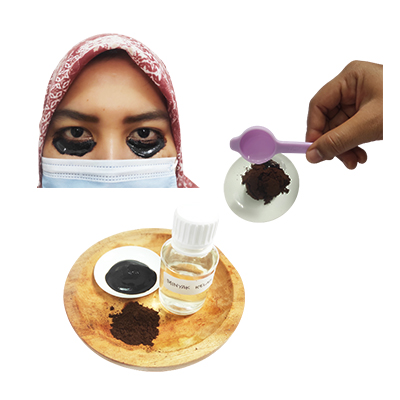
2. Addressing Dark Circles/Under-Eye Bags
- Take 1 tbsp arabica coffee and 1-2 tsp coconut oil.
- Mix both ingredients well.
- Apply under the eyes.
- Leave for 10-12 minutes. Rinse with clean water. Do this 3-4 times a week.
Reference Sources
- Badan Penelitian dan Pengembangan Pertanian. 2013. Keragaan kopi Arabica (Coffea Arabica) lokal Garut di Desa Pangauban, Kecamatan Cisurupan, Garut, Jawa Barat. Warta Penelitian dan Pengembangan Tanaman Industri 19(3): 1-4.
- Farhaty N, Muchtaridi. 2016. Tinjauan kimia aspek farmakologi senyawa asam klorogenat pada biji kopi: review. Farmaka. 14(1):214-227.
- Sianturi VF, Ade W. 2016. Pengelolaan pemangkasan tanaman kopi arabika (Coffea Arabica L.) di kebun Blawan, Bondowoso, Jawa Timur. Bul. Agrohorti. 4(3): 266-275
- Affonso RCL, Voytena APL, Fanan S, Pitz H, Coelho S, Horstmann AL, Pereira A, Uarrota VG, Hillmann MC, Varela LAC, Valle RMR, Maraschin R. 2016. Phytochemical composition, antioxidant activity, and the effect of the aqueous extract of Coffee (Coffea arabica L.) bean residual press cake on the skin wound healing. Oxidative Medicine and Cellular Longevity: 1-10
- Widyaningrum Herlina. Tim Solusi Alternatif. 2019. Kitab Tanaman Obat Nusantara (Penyegar badan). Jakarta
- Health BenefitsTimes. Health benefits of Coffee. https://www.healthbenefitstimes.com/coffee/ 09-07-2020
- Tropical Plants Database, Ken Fern. tropical.theferns.info . Coffea arabica. http://tropical.theferns.info/viewtropical.php?id=Coffea+arabica 20-01- 2021
- Atlantis Press. Formulation of body scrub cream from extract of arabica green coffee (Coffee arabica L.) as antioxidant. https://www.atlantis-press.com/proceedings/icosihsn-20/125951223 27-03-2021.