Cola nitida (Vent.) Schott & Endl.
Summary
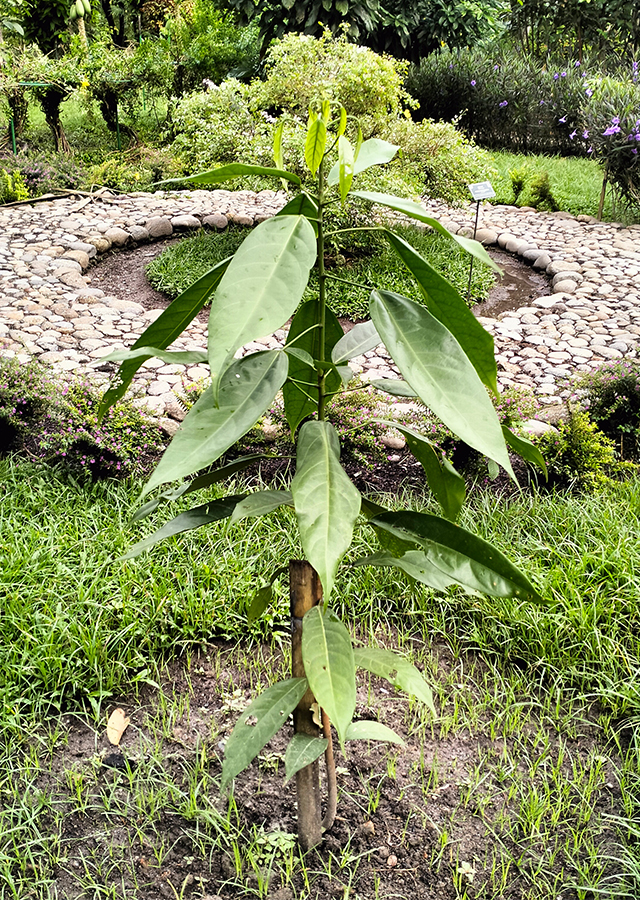
Cola nitida or kola is native to West Africa and Sudan, and entered Indonesia in the early 10th century. In Africa, kola seeds have long been used in religious rituals such as weddings and burials, as well as consumed as a stimulant and used as an original ingredient in making the soft drink Coca-Cola. Its extract, approved as safe by the US FDA, is also used in the food industry, while traditionally kola seeds are used to treat migraines, digestive disorders, and fight fatigue.
Agroecology
C. nitida is a tropical plant found in hot, moist tropical lowland forests, usually growing at elevations up to 300 m asl, but also found up to elevations of 800 m asl, with mean annual rainfall in the range of 1,400-2,500 mm, but tolerating 1,200-3,500 mm and able to survive 3 months or more during the dry season. C. nitida can grow well in heavy or light soil as long as the soil depth is good, well-drained, containing plenty of humus, and in a full sun position, while young trees need shade. C. nitida can grow in soil with a soil pH in the range of 5-6, but tolerates 4.3-7. Grows best in areas where the annual daytime temperature is in the range of 21-30°C, but can tolerate 10-35°C. C. nitida is drought-resistant, and can be cultivated in drier areas as long as groundwater is available.
Morphology
- Trunk round, sometimes straight, diameter can reach 1.5 m, can be without branches for several meters. Bark cracked and grayish brown, coarsely striped, but the small branches are smooth.
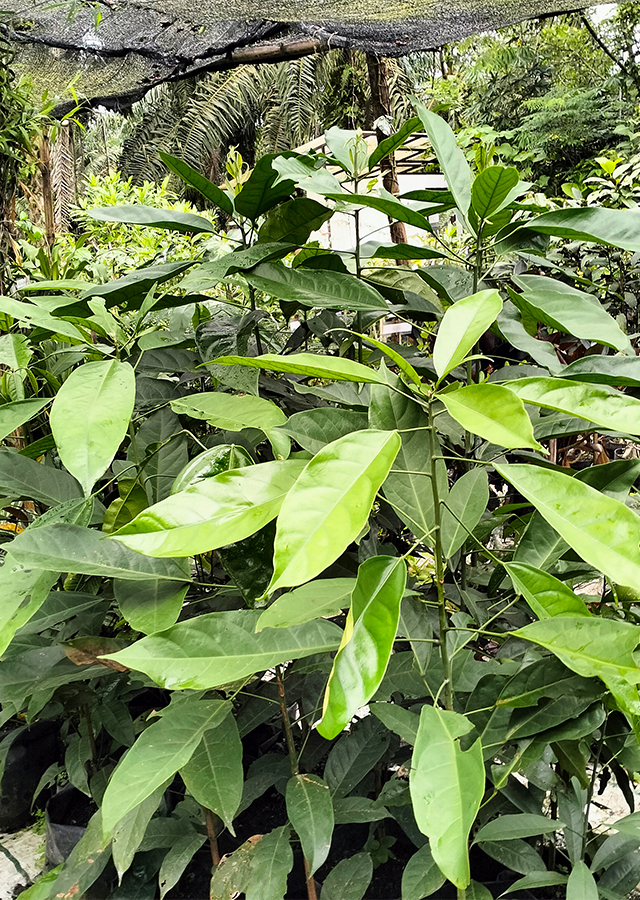
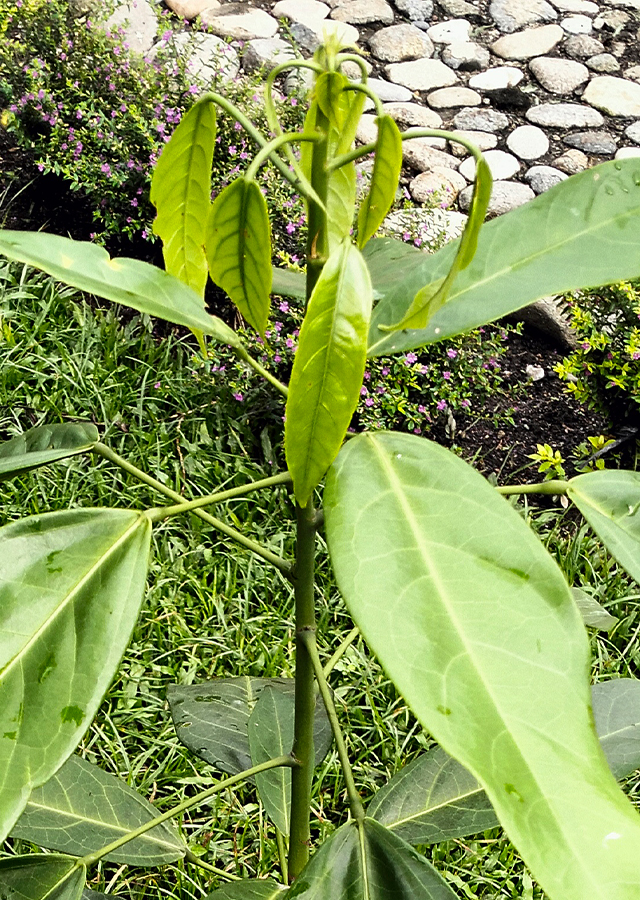
- Leaves simple, single, green, deeply veined, smooth surface, elliptic shaped with an entire margin throughout and a tapering tip. Leaves have an alternate arrangement (leaves emerging singly on alternating sides of the branch).
- Flowers greenish yellow or white with purple and red streaks and edges inside. The flowers form short, irregular clusters, forming a cup shape.
- Fruit light green, the dry fruit has a wrinkled, uneven texture with a curved ridge running along the pod. The fruit consists of 5 cells curving backward, containing about 10 seeds per fruit. They split into two to release the seeds.
- Seeds irregular, large, cream to reddish brown, aromatic.
Cultivation
- Plant propagation through seed. To promote germination, soak seed in water for 24 hours before planting and place in a warm location (about 29°C). Germination is slow, taking 2-3 months. Germination within 10-18 days is achieved when seed is sown at 30°C.
- The plant begins producing seed pods at about 7 years of age.
Chemical Content
Alkaloids, saponins, tannins, cardenolides, proanthocyanidins, methylxanthines (caffeine and theobromine), catechin, theophylline, colatin, phlobaphene, anthocyanin, flavonoids.
Benefits
Treats migraines, morning sickness, digestive disorders, neuralgia, wounds and inflammation, hemorrhoids, gastritis, an aphrodisiac, an appetite suppressant, a stimulant and remedy for treating fever, dysentery, diarrhea, stimulates the nervous system and fights fatigue and depression, prevents metabolic disorders. Has antimicrobial activity.
Simplisia
- Prepare kola seeds, wash until clean, then drain.
- Dry under direct sunlight until completely dry.
- Store the simplisia in a clean, airtight plastic bag or container.
Local Names
Information not found. Further research is needed.
Traditional Recipes
The following recipes reflect traditional knowledge passed down through generations, not a substitute for professional medical diagnosis or advice. Consult a healthcare provider before use.
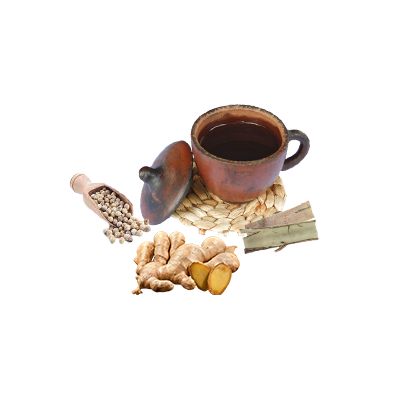
1. Heals gastritis
- Take an adequate amount of kola bark, ginger, and pepper.
- Soak all ingredients.
- Wait a while until it changes color.
- Strain then drink.
Reference Sources
- Royal Botanic Gardens. Plants of the World Online: Cola nitida (Vent.) Schott & Endl.. https://powo.science.kew.org/taxon/urn:lsid:ipni.org:names:822755-1. 03-01-2023.
- Flora Fauna Web. 2022. Cola nitida. https://www.nparks.gov.sg/florafaunaweb/flora/2/8/2822. 03-01-2023.
- Adeosun O.I., Olaniyi K. S., Amusa O. A., Jimoh G. Z., Oniyide A. A. 2017. Methanolic extract of Cola nitida elicits dose-dependent diuretic, natriuretic and kaliuretic activities without causing electrolyte impairment, hepatotoxicity and nephrotoxicity in rats. International Journal of Physiology, Pathophysiology and Pharmacology. 9(6): 231–239. https://www.ncbi.nlm.nih.gov/pmc/articles/PMC5770520/.
- Plants For A Future. 2022. Cola nitida - (Vent.) Schott & Endl.. https://pfaf.org/user/Plant.aspx?LatinName=Cola+nitida. 03-01-2023.
- Lembaga Ilmu Pengetahuan Indonesia. 2019. Mengenal Tanaman Kola. http://lipi.go.id/berita/mengenal-tanaman-kola/21731. 03-01-2023.