Coleus barbatus (Andrews) Benth. ex G.Don
Summary
Bangun-bangun (Coleus barbatus) is a herb up to 75 cm tall of the Lamiaceae family, native to Eritrea through India and South China. In Egypt and Africa, its leaves are used as an expectorant, while in Brazil it is used to address intestinal disorders. In Ayurvedic medicine, the stem and root of bangun-bangun are traditionally believed to benefit heart health and control hypertension.
Agroecology
Bangun-bangun is usually found in habitats such as pine forests, grasslands, abandoned cultivated land, roadsides, and riverbanks. Prefers open, semi-dry conditions, shallow and moist soil between rocks on slopes, up to elevations of 1,500 m above sea level.
Morphology
- Root tuberous, golden brown in color, thick, fibrous and spreading radially, aromatic smell.
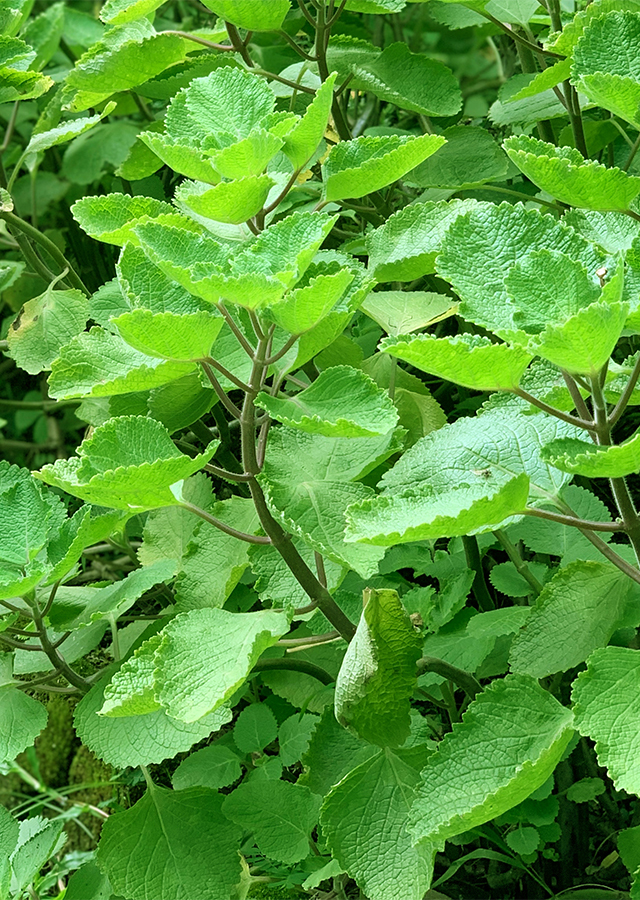
- Stem upright sometimes creeping, round-square shaped, branched, softly woody and brittle, hairy.
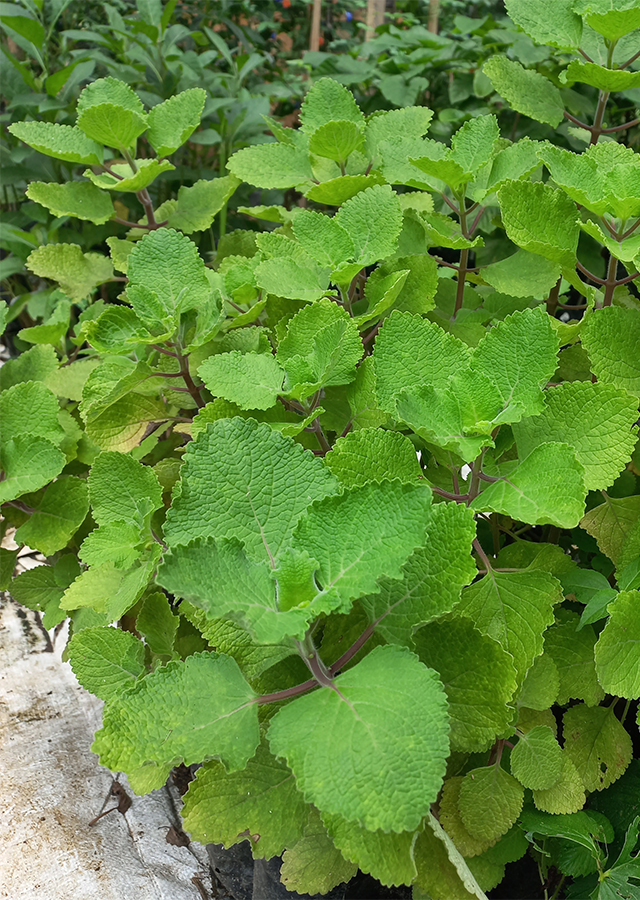
- Leaves spreading, opposite position, thick, fleshy, stalked, leaf blade elliptical to ovate, hairy, serrated leaf edges, fresh green in color.
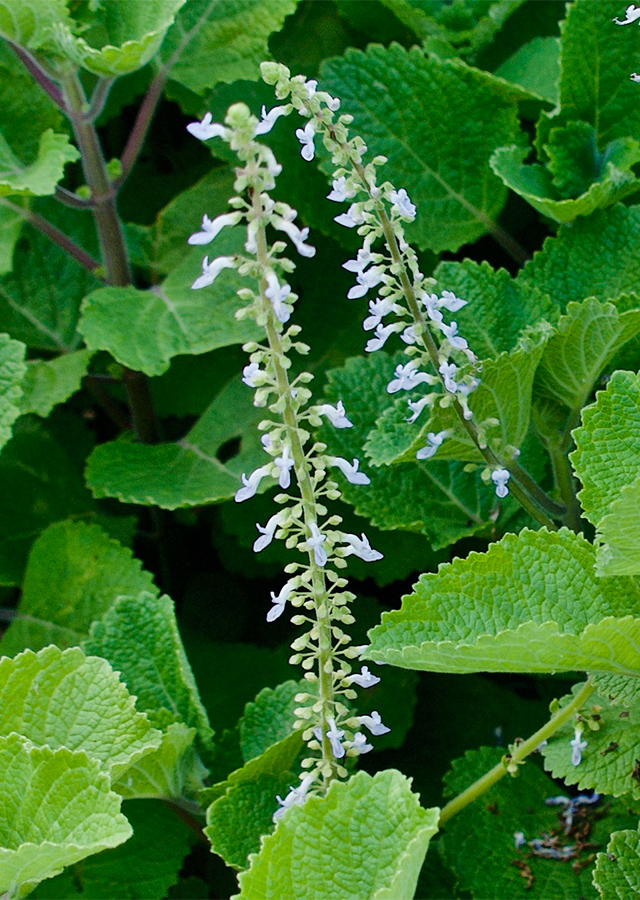
- Flowers have a blue or purple corolla with red hairs scattered on the lobes. Sepals purplish, hairy inside, upper lip of sepal ovate-shaped, stamens numbering 4. Its inflorescence is a simple raceme with short lateral branches. Grows extending upward.
- Fruit pale brown to black in color, smooth, with dark glandular spots, broadly ovate shaped, somewhat flat.
Cultivation
Propagated vegetatively by stem cuttings. Cuttings are usually taken 15-20 cm from the tip of the young stem.
Chemical Content
Forskolin, diterpene (1-oxo-nanoyl oxide (8,13-epoxy-labd-14-en-11-one)), rosmarinic acid, flavonoid glucuronide, phenolic, saponin, flavonoid, limonene, tannin, carbacrol, thymol, cineole, eugenol, essential oil.
Benefits
Remedy for hypertension, heart health, glaucoma (eye nerve damage), eczema and skin infection, colic, painful urination, insomnia, convulsions, heals liver and stomach disease, prevents cancer cell development, reduces asthma pain, treats hemorrhoids, hyperthyroid, maintains bone health, vermifuge, addresses obesity, has analgesic, antioxidant, and antibacterial activity.
Local Names
No information found. Further research needed.
Traditional Recipes
The following recipes reflect traditional knowledge passed down through generations, not a substitute for professional medical diagnosis or advice. Consult a healthcare provider before use.
1. Obesity
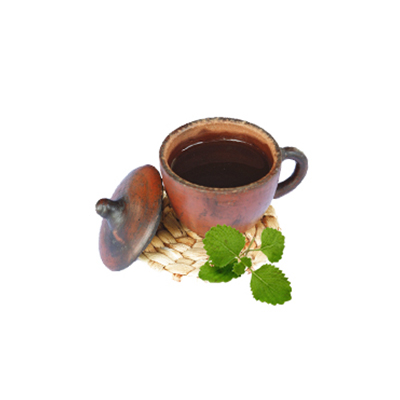
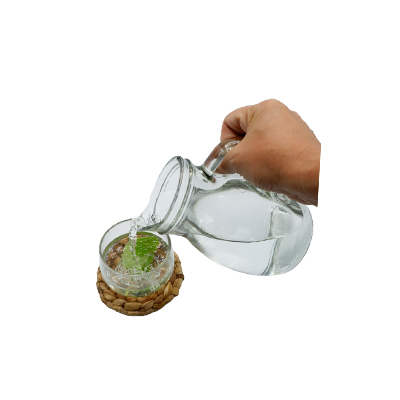
- Prepare 50 mg bangun-bangun leaves then wash thoroughly in running water.
- Boil the leaves with enough water until boiling.
- Strain the decoction.
- Drink while warm twice a day.
2. Enlarged heart
- Pick several bangun-bangun leaves, rinse thoroughly.
- Boil the leaves until boiling.
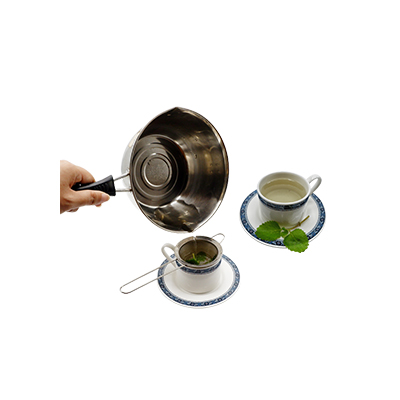
- Strain the decoction.
- Drink the strained liquid while warm.
- Drink twice a day.
3. Hyperthyroid
- Prepare several bangun-bangun leaves, wash thoroughly.
- Soak several leaves in warm water for 1 hour.
- Drink the soaking liquid.
Reference Sources
- Plants of the World Online. 2021. Coleus barbatus (Andrews) Benth. ex G.Don. http://www.plantsoftheworldonline.org/taxon/urn:lsid:ipni.org:names:60454692-2. 01-09-2021.
- PROSEA. 2020. Plectranthus barbatus (PROSEA). https://uses.plantnet-project.org/en/Plectranthus_barbatus_(PROSEA). 01-09-2021.
- IDN Medis. 2021. Coleus barbatus: Manfaat - Efek Samping dan Tips Penggunaan. https://idnmedis.com/coleus-barbatus. 01-09-2021.
- Yashaswini S et al. 2011. COLEUS (PLECTRANTHUS BARBATUS) – A MULTIPURPOSE MEDICINAL HERB. INTERNATIONAL RESEARCH JOURNAL OF PHARMACY 2(3):47-58.