Commelina benghalensis L.
Summary
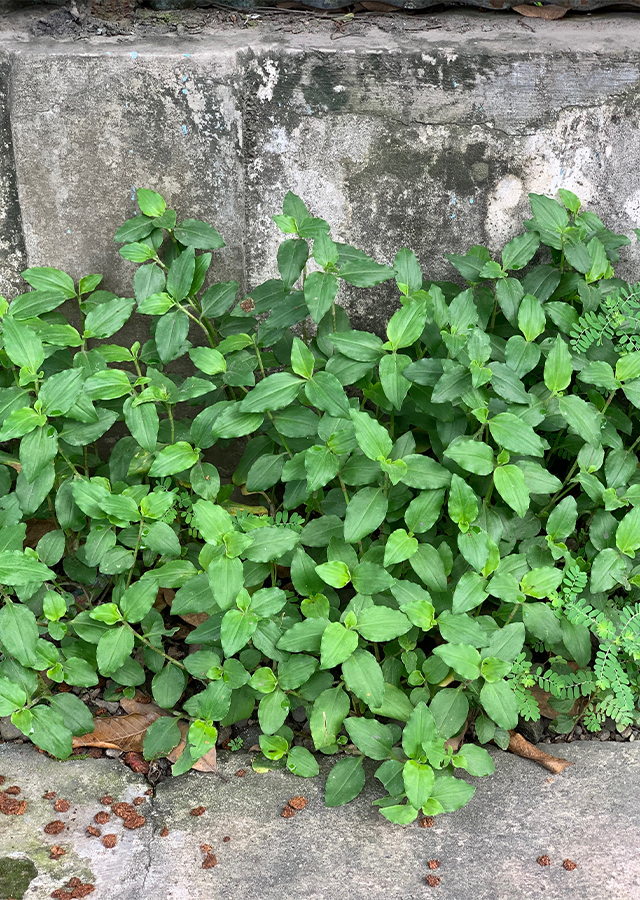
Gewor (Commelina benghalensis) is a herb up to 90 cm long of the Commelinaceae family, native to Africa and spread through the Arabian Peninsula to Southeast Asia. This rice-field weed is often eaten as a vegetable or side dish, and serves as a source of natural dye from its flower sap. Gewor is also traditionally believed to treat diarrhea, headache, and burns.
Agroecology
Grows at forest edges, gardens and is found at elevations up to 1,600 m above sea level, rainfall 1,000-2,100 mm/year. Optimal flower growth between 30-35 °C, but grows well between 20-40 °C. Prefers sandy soil, resistant to prolonged drought.
Morphology
- Root fibrous.
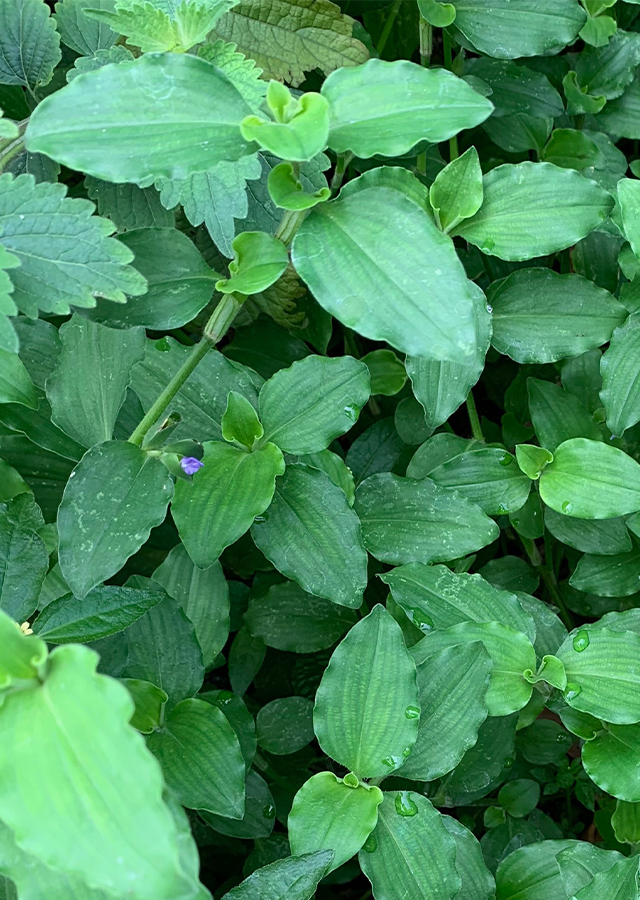
- Stem succulent, jointed, slightly creeping, and green.
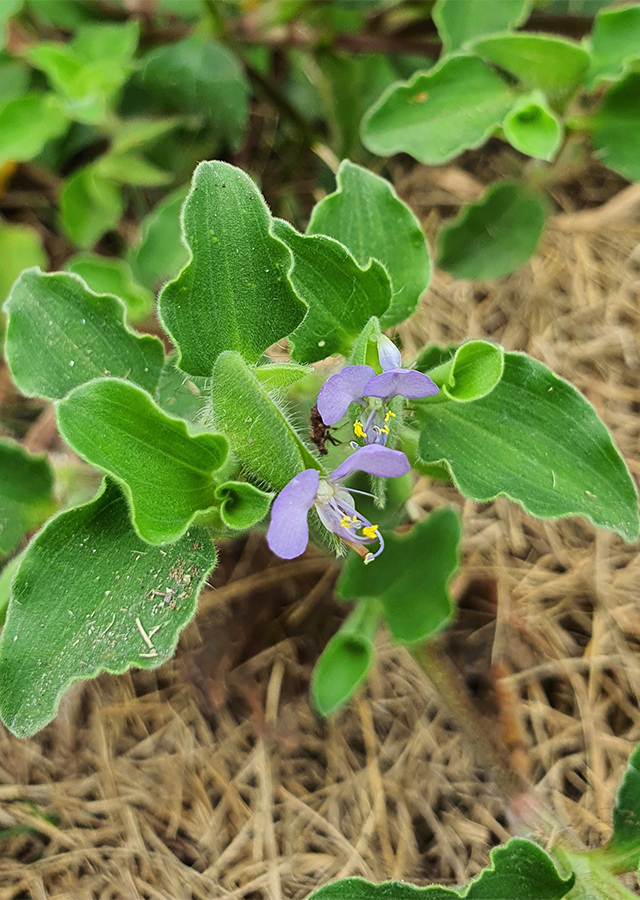
- Leaves single, green, oblong, slightly wavy edges, hairy surface, mucilaginous texture, 3-6 cm long, and 1-3 cm wide.
- Flowers compound, blue, located at the tip of branches or leaf axils, 3 sepals, heart-shaped corolla, 0.7-0.9 cm long.
- Fruit egg-shaped, 5-7 mm long, and green.
- Seeds round, small, and black.
Cultivation
This plant can be propagated by cutting stem segments and pressing them into moist, sandy soil. Commelina benghalensis can also be cultivated from seed.
Chemical Content
Saponin, flavonoid, polyphenol, phlobatannins, tannin, essential oil, alkaloid, catechol, aleurone, lactone, coumarin, amino acids, quinone.
Benefits
Treats diarrhea, leprosy, eye disease, headache, throat disorders, burns, canker sores, stomach disorders, fever reducer, anti-inflammatory, skin disease and respiratory disorders.
Simplisia
- Take fresh gewor leaves.
- Wet-sort (discard petioles and shoot tips) then wash thoroughly.
- Dry the leaves in direct sunlight for approximately 7 days.
- Place the dried material in an airtight package and store at room temperature.
Local Names
Gewor, Tali korang (Sunda), Gewo, Petungan (Java), Fangalu (Minahasa), Rulonga lootili (Gorontalo).
Traditional Recipes
The following recipes reflect traditional knowledge passed down through generations, not a substitute for professional medical diagnosis or advice. Consult a healthcare provider before use.
1. Wounds
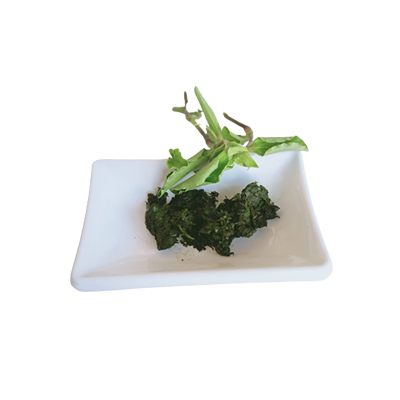
- Wash and pound 5 g fresh gewor leaves until fine.
- Apply to the wound then bandage with a clean cloth.
Reference Sources
- CABI. (No date). Invasive Species Compendium. Commelina benghalensis (wandering jew). https://www.cabi.org/isc/datasheet/14977. 11-02-2021.
- StuartXchange. (2015). Philippines Medicinal Plants. Commelina benghalensis Linn. http://www.stuartxchange.com/BiasBias.html. 11-02-2021.
- Fern, Ken. (2019). Useful Tropical Plants. Commelina benghalensis L. http://tropical.theferns.info/viewtropical.php?id=Commelina+benghalensis. 11-02-2021.
- Badan Penelitian dan Pengembangan Kesehatan.1997. Inventaris Tanaman Obat Indonesia (IV), Departmen Kesehatan Badan Penelitian dan Pengembangan Kesehatan.