Cosmos caudatus Kunth
Summary
Kenikir (Cosmos caudatus) is an annual herb 30-200 cm tall of the Asteraceae family, native to Latin and Central America, spreading to the Philippines, Indonesia, and Spain. Its distinctive leaves are a favorite fresh side dish in many parts of the Nusantara and are rich in antioxidant phenolic compounds. Traditionally, kenikir is also believed to help address stomach ulcers, diabetes, and bad breath.
Agroecology
Grows well in lowlands to mountains at elevations up to 1,600 m above sea level. Grows best in a hot (tropical) climate at temperatures of 20-22 °C, average rainfall of 2,443 mm/year. Favors open locations with full sun, sandy, rocky, loamy, and sandy clay soil with moderate to high humidity.
Morphology
- Roots taproot, white.
- Stem erect, square, longitudinally grooved, heavily branched, purplish-green.
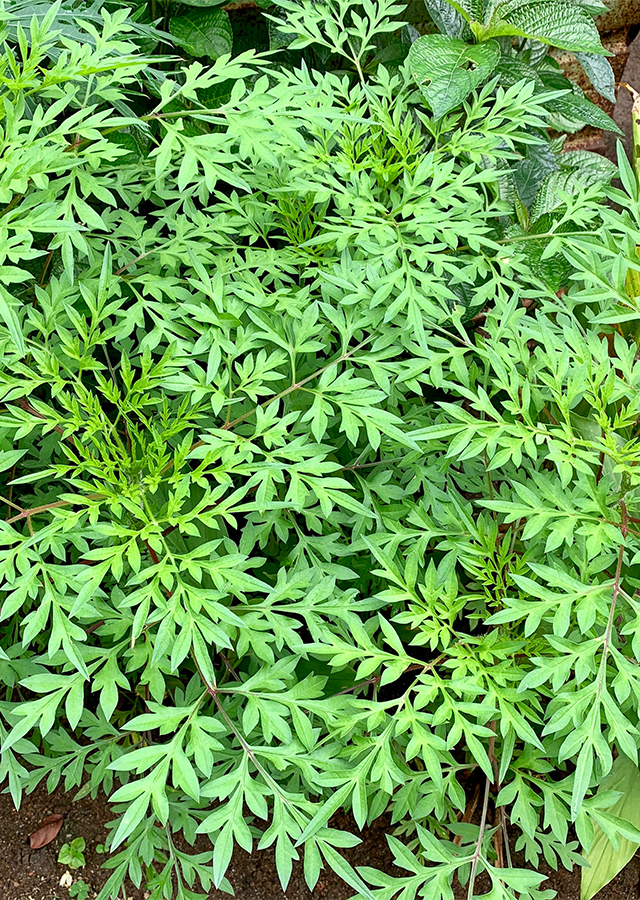
- Leaves compound, opposite crosswise, pointed tip, smooth margins, green.
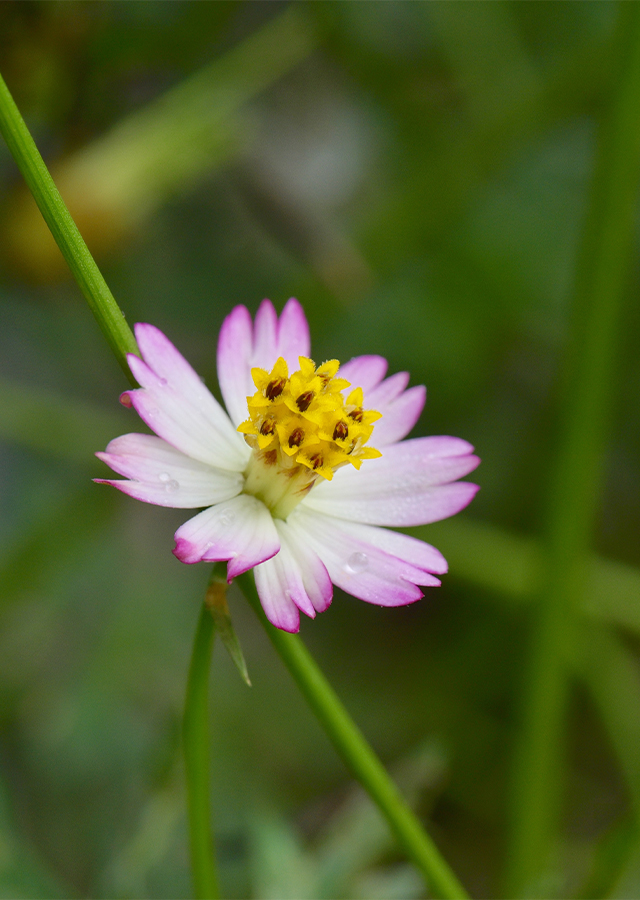
- Flowers compound arranged in numerous flower heads at the stem tip and upper leaf axils, consisting of 8 petals, tubular stamens, blackish-brown anthers, hairy pistil.
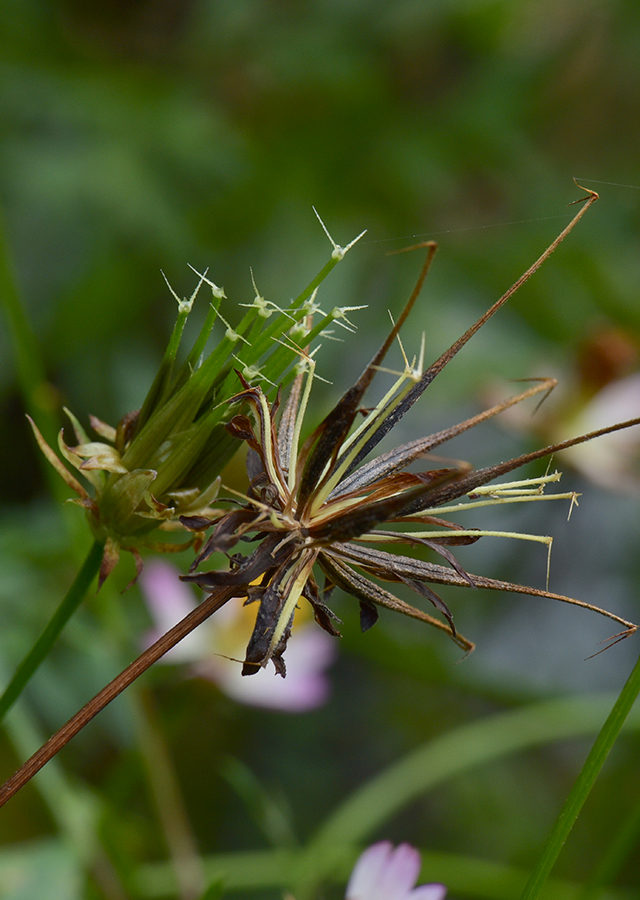
- Seeds hard, small, needle-shaped, ± 1 cm long, black.
Cultivation
- Propagated generatively (by seed).
- Planting can be done directly in the field or by sowing first.
- Seedlings 3 weeks after sowing can be transplanted to the field with a planting spacing of 25 x 25 cm.
- Harvest is done at 6 weeks of age.
Chemical Content
Chlorogenic acid, polyphenols, hydroxyeugenol, flavonoids (quercetin), saponins, terpenoids, coniferyl alcohol, essential oil.
Benefits
Treats stomach ulcers and diabetes; stimulates appetite; addresses bad breath and body odor; boosts the immune system; strengthens bones; supports heart health; addresses breastfeeding-related breast problems; eliminates toxins from the body; anticancer.
Simplisia
- Select fresh, healthy kenikir leaves, wash thoroughly under running water.
- Slice the leaves into small pieces, then dry away from direct sunlight for several days, until completely dry.
- Grind into a coarse powder.
Local Names
Ulam raja (Malay) and Raramidang (Sunda).
Traditional Recipes
The following recipes reflect traditional knowledge passed down through generations, not a substitute for professional medical diagnosis or advice. Consult a healthcare provider before use.
1. Addressing Body Odor
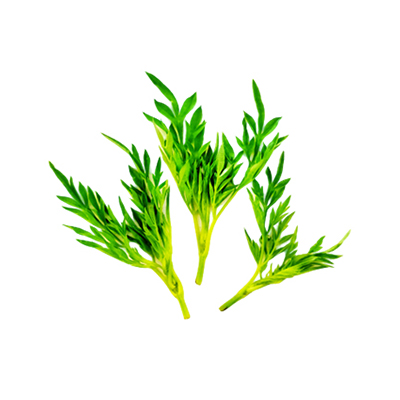
- Prepare 3 fresh leaf shoots, washed thoroughly.
- Eat raw as a fresh side dish.
- Consume 3 times a day until the body odor complaint disappears.
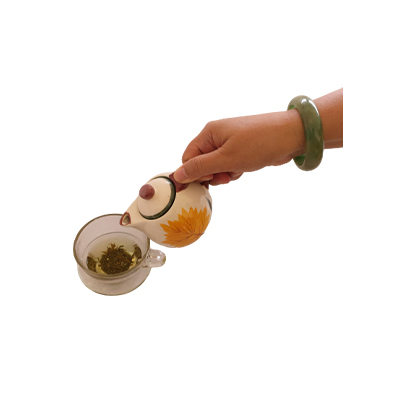
2. Cancer
- Steep 1 tsp of dried kenikir leaves.
- Add 1 cup of boiling water, let stand for 35 minutes.
- Strain, then drink the tea while warm.
- Drink this herbal tea 2 cups a day, morning and evening.
Reference Sources
- Yayasan Peduli Konservasi Alam Indonesia. 2008. Tanaman Obat Halimun Hal 23. Mengatasi Bau Badan