Couroupita guianensis Aubl.
Summary
Couroupita guianensis or cannonball tree is native to the tropical regions of northern South America, especially the Amazon rainforest, and is now also distributed in India and Thailand. In India, this tree is considered sacred, its flower even proclaimed the State Flower of Puducherry and used in the worship of Lord Shiva in temples. Besides being a perfume, cosmetic, and incense ingredient, the cannonball tree is traditionally used to treat colds, toothache, malaria, and inflammation, though its population is now declining due to land clearing.
Agroecology
Cannonball tree is generally found growing in tropical rainforests, along riversides, and also found in swampy areas at elevations below 500 m asl in Peru. Prefers a sunny position, and grows well in moist to wet, humus-rich soil. Although this plant can also grow well in dry soil.
Morphology
- Trunk cylindrical, appearing larger due to a dense mass of long-hanging branches (up to 3 m) that emerge and cover the lower trunk, especially on older trees. Bark grayish brown, fissured.
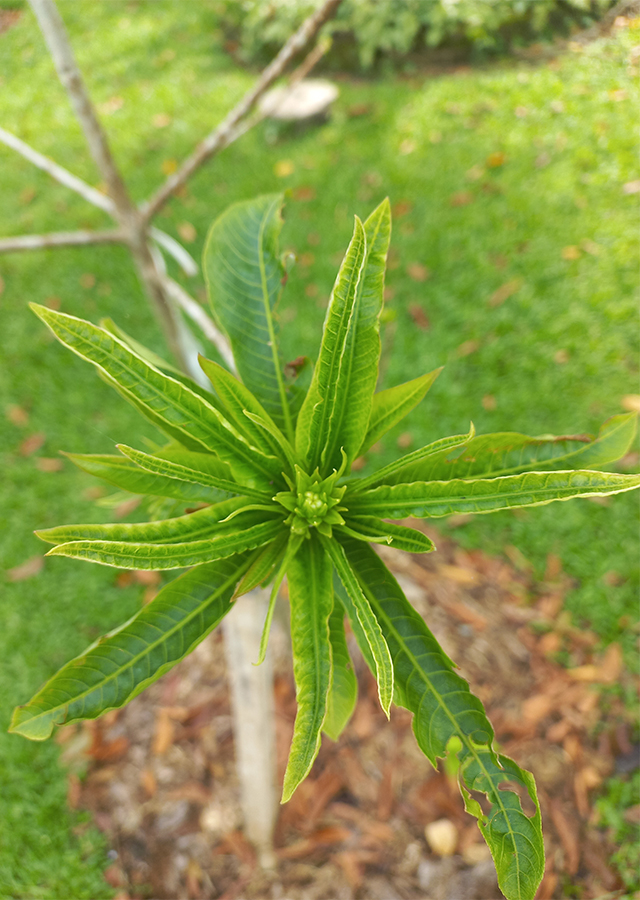
- Leaves alternate, oblong-obovate shaped, up to 20 cm long, surface smooth to somewhat velvety, margin entire to slightly toothed and hairy on the veins beneath.
- Inflorescence clustered, emerging from the trunk and other large branches. Flowers have a complex nectarless structure, each consisting of 6 large, fleshy-waxy petals, red to orange inside and yellow-tinged outside, a short yellow ring-shaped staminal disc (which produces fertile pollen) arranged around the reduced style and stamens, and a pink-white hood-shaped staminal structure (which produces sterile pollen), stamens borne above the androphore, the staminal sheath curving over the pistil. The flower is very fragrant.
- Fruit large, ball-shaped, reddish brown, 15-24 cm in size, with a hard woody outer shell, produced in clusters, taking about 18 months to reach maturity. Each fruit contains 200 to 300 hairy seeds embedded in a 6-segmented fruit pulp. The fruit pulp oxidizes from white to bluish green and emits an unpleasant fermented odor. The top of the fruit will crack open when it falls to the ground.
Cultivation
- Plant propagation through seed or woody stem cuttings.
- Seed: best sown as soon as possible after harvest, does not require pre-treatment. Seedlings should be placed in individual containers when 6-10 cm tall and are ready to be planted when 7 months old.
Chemical Content
Aliphatic hydrocarbons, stigmasterol, alkaloids, tannins, flavonoids (2',4'-dihydroxy-6'-methoxy-3',5'-dimethylchalcone, 7-hydroxy-5-methoxy-6,8-dimethylflavanone, and the phenolic acid 4-hydroxybenzoate), isatin and indirubin, linalool, benzyl alcohol, terpineol, hexadecanoic acid, and cis and trans-furan linalool oxide, p-coumaric acid, o-coumaric acid, caffeic acid, and quercetin.
Benefits
Treats colds, toothache, stomachache, malaria, tumors, hypertension, inflammation, skin diseases, disinfects wounds, addresses pain and inflammatory disorders, an expectorant for acute or chronic cough and bronchitis, boosts immunity.
Local Names
Sala.
Traditional Recipes
The following recipes reflect traditional knowledge passed down through generations, not a substitute for professional medical diagnosis or advice. Consult a healthcare provider before use.
1. Skin diseases
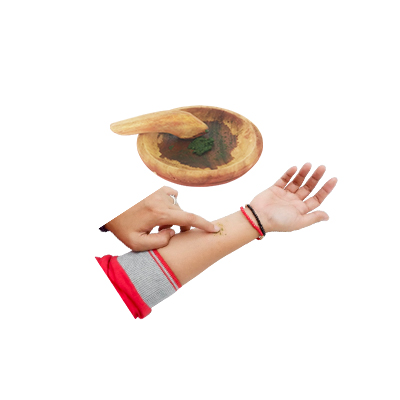
- Take an adequate amount of cannonball tree leaves and wash until clean.
- Grind into a paste.
- Apply the paste to the skin.
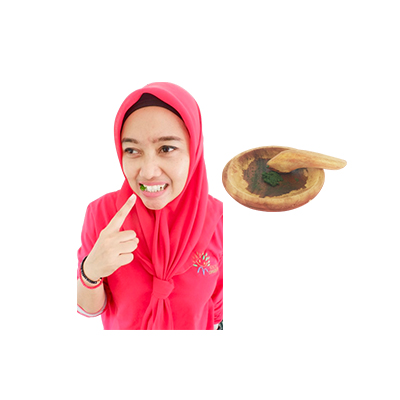
2. Toothache
- Take an adequate amount of young cannonball tree leaves and wash until clean.
- Grind until it becomes a paste.
- Apply the leaf paste as a poultice on the aching tooth area.
Reference Sources
- Royal Botanic Gardens, Kew. Plants of thr World Online: Couroupita guianensis Aubl. https://powo.science.kew.org/taxon/592385-1#publications. 25-10-2023.
- Tropical Plants Database, Ken Fern. Couroupita guianensis. https://tropical.theferns.info/viewtropical.php?id=Couroupita+guianensis. 25-10-2023.
- Stuartxchange. Philippine Medicinal Plants. Cannon ball tree. http://www.stuartxchange.org/CannonBallTree.html. 25-10-2023.
- Flora Fauna Web. Couroupita guianensis Aubl. https://www.nparks.gov.sg/florafaunaweb/flora/2/8/2827. 25-10-2023.