Crotalaria retusa L.
Summary
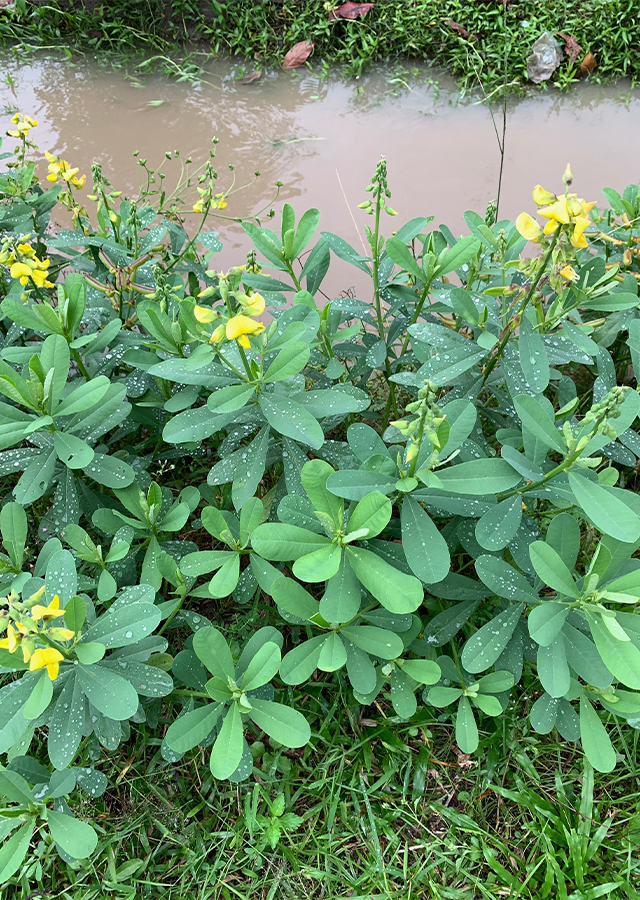
Duku todore (Crotalaria retusa) is an annual herb up to 1.2 meters tall of the Fabaceae family, first recorded in the Virgin Islands, West Indies, in 1876 before spreading to tropical Asia and Africa. This plant has long been used as traditional medicine as well as an ornamental. Duku todore is believed to help boost immunity and relieve coughing up blood and fever.
Agroecology
Grows well in moist tropical conditions, annual rainfall 200-1,600 mm/year, temperature 15-27°C, adequate water, full sunlight, dry to moist soil with good drainage.
Morphology
- Root a taproot, long, short-haired, and covered with root nodules.
- Stem upright, woody at the base, rough, branched, up to 130 cm long.
- Leaves alternate, upper surface smooth without hair and lower surface porous. Oblong-shaped, with a rounded tip, green in color, petiole 2-3 mm.
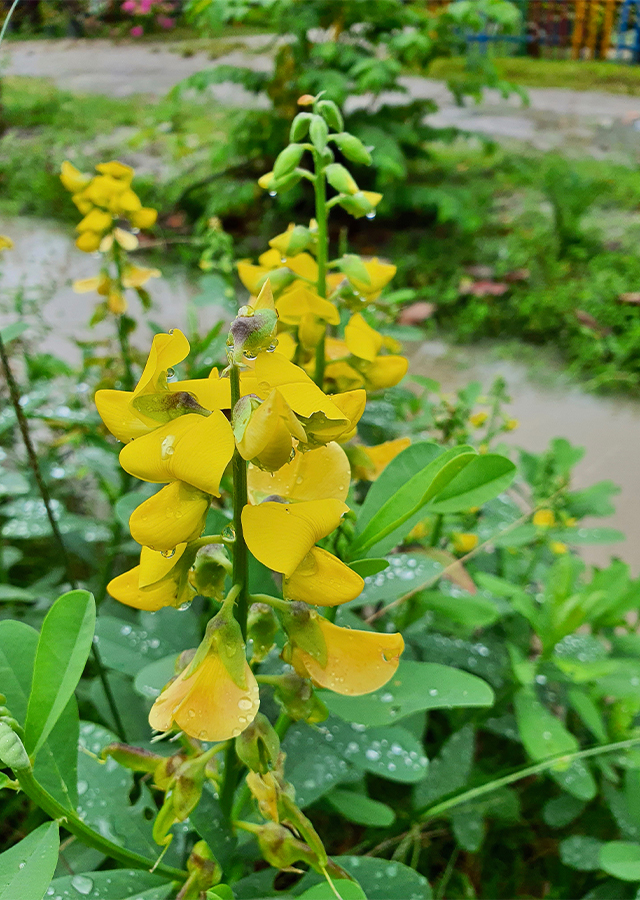
- Flowers bright yellow, consisting of 1 large triangular sepal hanging above 2 small flower sepals curved upward like a hook, up to 18 mm long with reddish veins. Grows at the tip of branches.
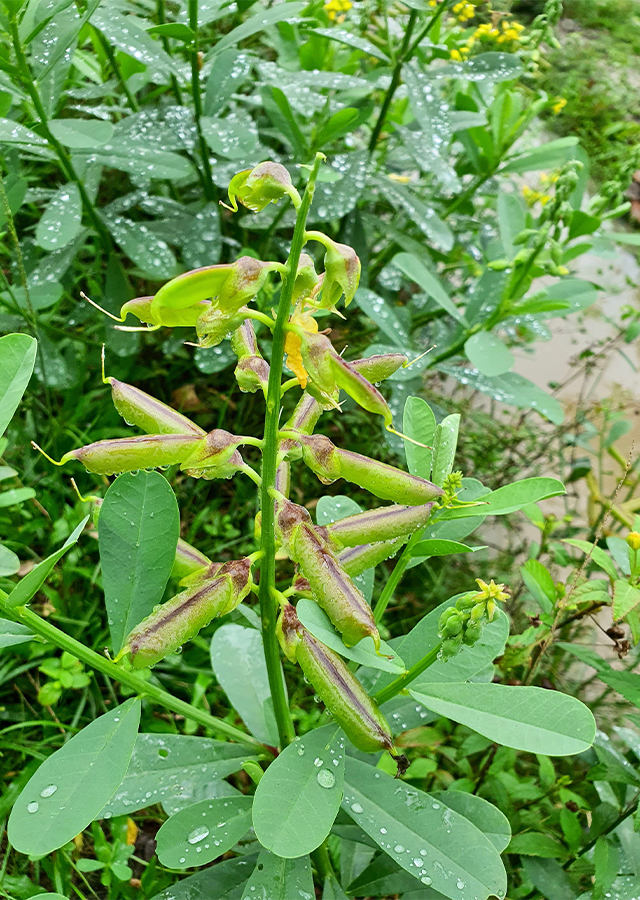
- Fruit a pod, 3-4.5 cm long, turning dark brown when ripe and black when dry, containing about 10-20 seeds.
- Seeds pale brown in color, smooth, about 3 mm in size.
Cultivation
Propagated by seed, which will germinate after 21-30 days.
Chemical Content
Pyrrolizidine alkaloid, flavonoid, phenolic, tannin, glycoside, sterol, monocrotaline.
Benefits
Remedy for coughing up blood, digestive problems, fever, heart disorders, skin infections, lung problems, canker sores in children, prevents skin infections in children, boosts immunity, relieves colds, malaria, addresses hallucinations, syphilis, remedy for cancer-related wounds.
Simplisia
- Prepare the root, stem, leaves, flowers, and seeds, wash thoroughly.
- Cut the roots and leaves into pieces then dry each part separately in the sun until completely dry.
- Grind into powder then sift until it has a flour-like texture, and store in a dry place.
Local Names
Information not yet available.
Traditional Recipes
The following recipes reflect traditional knowledge passed down through generations, not a substitute for professional medical diagnosis or advice. Consult a healthcare provider before use.
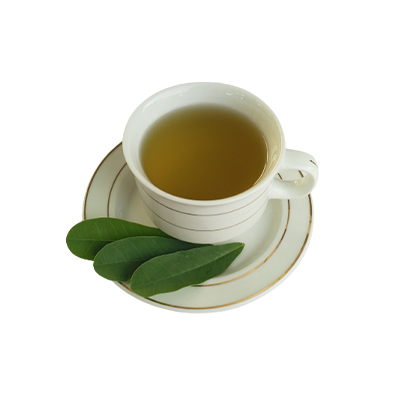
1. Remedy for cancer-related wounds
- Take duku todore leaves as needed then boil with 2 glasses of water (500 ml).
- Let it boil until the water reduces to 250 ml.
- Drink every day until recovered.
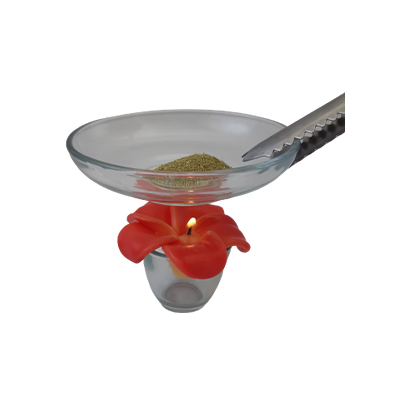
2. Addressing hallucinations and psychotropic issues
- Prepare duku todore powder as needed, place in a fire-resistant container in a room.
- Burn the powder and let the smoke be inhaled.
- Do this every night.
Reference Sources
- Tropical Plants Database, Ken Fern. tropical.theferns.info. Crotalaria retusa. http://tropical.theferns.info/viewtropical.php?id=Crotalaria+retusa 03-02-2020
- Nurrani Lis, Kinho Julianus dan Tabba Supratman. 2013. KANDUNGAN BAHAN AKTIF DAN TOKSISITAS TUMBUHAN HUTAN ASAL SULAWESI UTARA YANG BERPOTENSI SEBAGAI OBAT Active Ingredients and Their Toxicity of Several Forest Plant Species Indigenous from North Sulawesi Potential as Efficacious Medicine) https://docplayer.info/32052944-Lis-nurrani-julianus-kinho-supratman-tabba-balai-penelitian-kehutanan-manado-jl-raya-adipura-kelurahan-kima-atas-kecamatan-mapanget-kota-manado.html 30-10-2020
- Ablasse Rouamba et all. 2018. Ethno-medicinal Use of Crotalaria retusa L. (Fabaceae), a Pyrrolizidine Alkaloid Toxic Plant. https://www.researchgate.net/publication/327316199_Ethno-medicinal_Use_of_Crotalaria_retusa_L_Fabaceae_a_Pyrrolizidine_Alkaloid_Toxic_Plant 30-10-2020