Cyanotis cristata (L.) D.Don
Summary
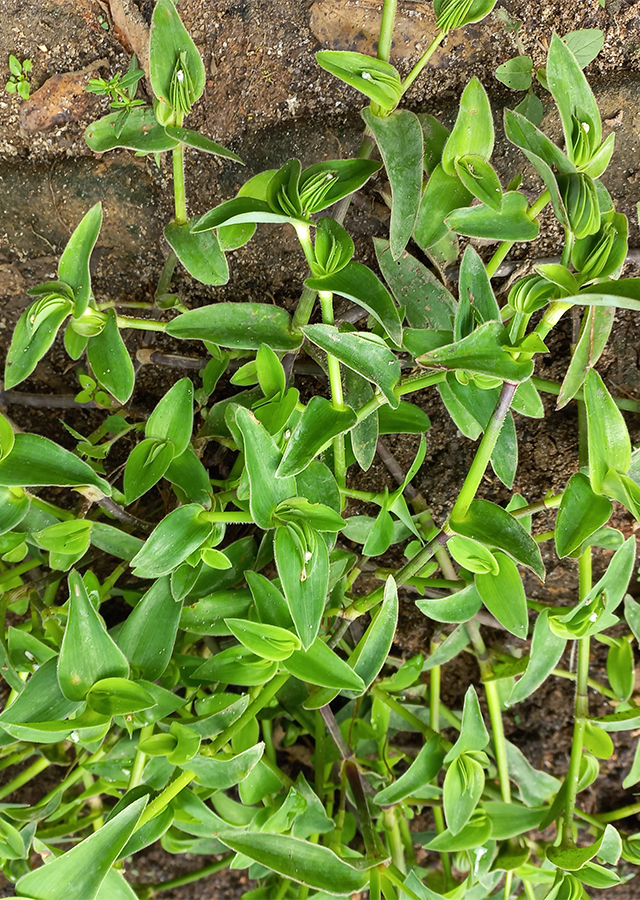
Petungan (Cyanotis cristata) is a herb 0.1-0.5 meters tall from the Commelinaceae family, a pantropical weed spread from tropical Africa to Indonesia. West Java communities use its leaves and stems as a vegetable, while this plant is traditionally believed effective in addressing snake bites. Petungan is also used as a local seasoning and spice.
Agroecology
Petungan can be found growing in grassy places and sandy areas near the sea. Mainly in dry areas, but can also grow in humid areas, along roadsides, rocky places, at elevations up to 1,000 m asl. Drought-tolerant and able to survive at least 2 weeks without rain or watering. This plant prefers a position in full sun, and well-drained soil conditions and is able to live on less fertile soil.
Morphology
- Roots fibrous, rooting below the node.
- Stem fleshy, watery, growing prostrate and creeping, branching from the base, at irregular intervals.
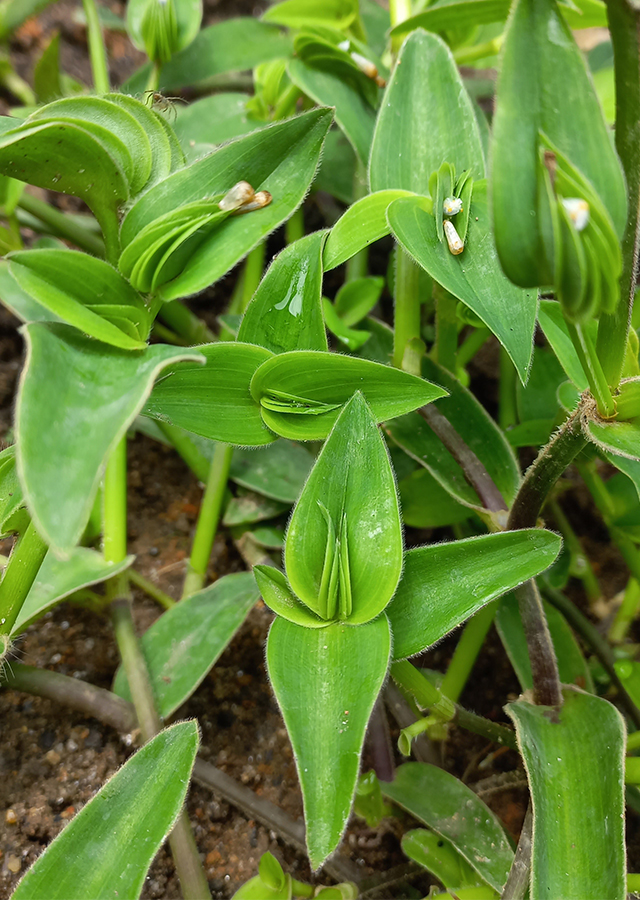
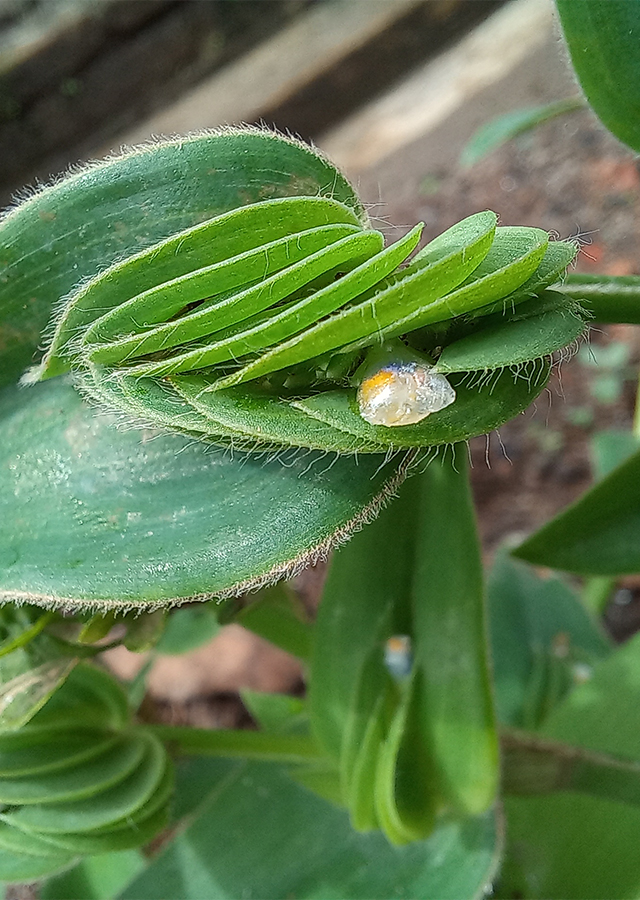
- Leaves fleshy, hairy along the margin, changing from green to reddish when exposed to strong sunlight and drought stress, alternate or scattered leaf arrangement, smooth leaf margin, ovate-oblong to lanceolate shape, heart-shaped or round base, sessile.
- Flowers small, corolla 3-lobed, fused into a tube, pale blue to purple, with attractive purple-blue filament styles, has anthers at the tip like a tuft or crest that is yellow. Bracts leafy, ovate-lanceolate, far exceeding the cymes, hairless, tapering leaf tip, ciliate margin, calyx segments fused forming a tube. Inflorescence terminal and axillary, solitary, very curved cymes.
- Fruit an explosive triangular capsule, brown with small seeds and persistent bracts, membranous, nearly hairless, pilose at the tip, usually 6-seeded.
- Seeds ovoid to ellipsoid shape, grayish-brown.
Cultivation
Propagation vegetatively with stem cuttings and generatively using seeds.
Chemical Content
Flavonoids, tannins, saponins, glycosides, alkaloids, and terpenoids.
Benefits
Addresses swelling and snake bites, heals wounds, has antioxidant activity.
Local Names
Djeworan, Gewor, Tali.
Traditional Recipes
The following recipes reflect traditional knowledge passed down through generations, not a substitute for professional medical diagnosis or advice. Consult a healthcare provider before use.
1. Treating swelling
- Take petungan root as needed and wash until clean.
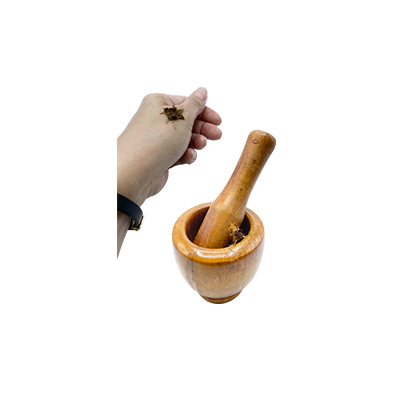
- Mash into a paste.
- Apply to the swollen skin area.
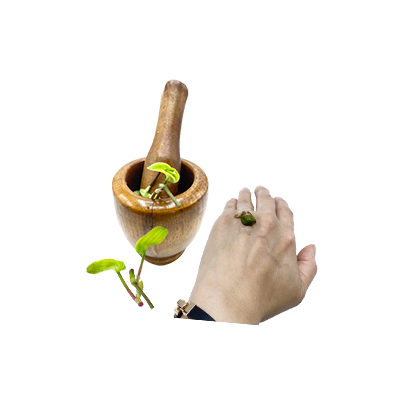
2. Wounds
- Take the petungan plant and wash until clean.
- Mash the ingredients into a paste.
- Apply the paste to the wound.
Reference Sources
- Royal Botanic Gardens. 2021. Plants of the World Online: Cyanotis cristata (L.) D.Don. http://plantsoftheworldonline.org/taxon/urn:lsid:ipni.org:names:172463-1. 04-10-2021.
- Flora fauna Web. 2020. Cyanotis cristata D.Don. https://www.nparks.gov.sg/florafaunaweb/flora/1/9/1911. 04-10-2021.
- Setyawati,T., Narulita, S., Bahri I.P., Rahardjo, G.T., 2015. A Guide Book to Invasive Alien Plant Species in Indonesia. Research, Development and Innovation Agency. Ministry of Environment and Forestry.
- PROSEA. 2016. Cyanotis cristata (PROSEA). https://uses.plantnet-project.org/en/Cyanotis_cristata_(PROSEA). 04-10-2021.
- Mayur D. Nandikar, Gurav R.V., 2014. RESEARCH ARTICLE: A Revision of the Genus Cyanotis D. Don (Commelinaceae) in India. Taiwania, 59(4): 292– 314. DOI: 10.6165/tai.2014.59.4.292.