Cymbopogon citratus (DC.) Stapf
Summary
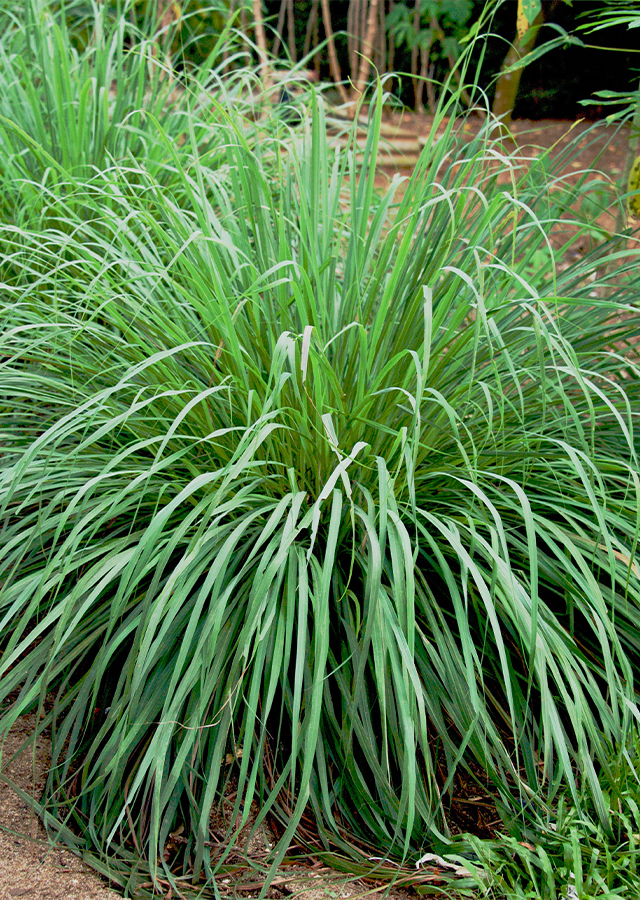
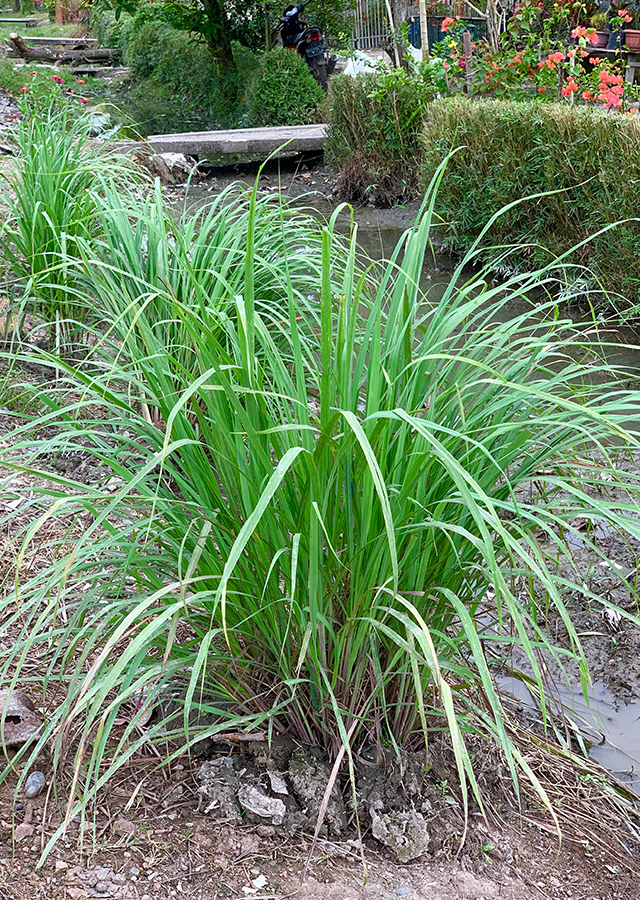
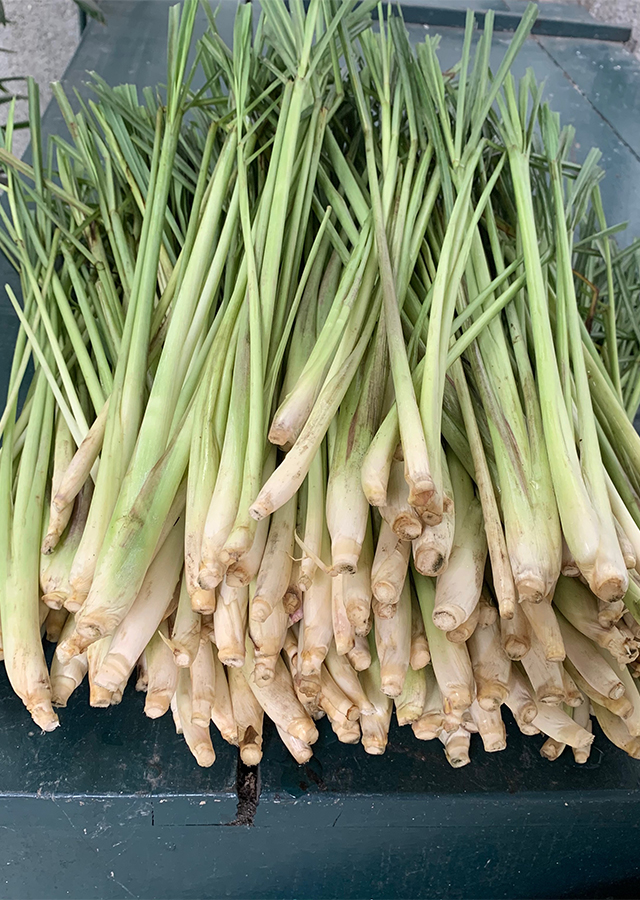
Lemongrass (Cymbopogon citratus) is a herb up to 50-150 cm tall of the Poaceae family, native to southern India and Sri Lanka, now widely cultivated in Indonesia and Malaysia. Its distinctively aromatic stalk is an essential cooking spice, rich in vitamin A, potassium, and iron. Lemongrass is traditionally believed to lower blood pressure, warm the body, and relieve sore throats.
Agroecology
Grows well in areas up to elevations of 1,200 m above sea level. Prefers a moist climate, soil pH 5.5-7.0, rainfall 1,000-1,500 mm/year, annual temperature 24-27°C with a dry season of 4-6 months. Has good adaptive properties and can survive even in nutrient-poor soil. Maximum lemongrass yield is obtained from fertile soil with good drainage.
Morphology
- Root fibrous, large, with a short rhizome.
- Stem clumping, tuberous and soft, hollow, stiff, and easily broken.
- Leaves green in color, without a petiole. Leaf length 70-80 cm, width 2-5 cm, single leaf, rough and sharp leaf edges, parallel veins, and both upper and lower surfaces hairy. If crushed will emit a distinctive smell.
Cultivation
- Propagated vegetatively (cuttings). From a healthy parent plant, 1 year of age.
- Cuttings are obtained by dividing large clumps, cutting or reducing long roots and leaves, leaving 5 cm from the base of the mature leaf.
Chemical Content
Chlorogenic acid, isoorientin, folic acid, alkaloid, tannin, terpenoid, saponin, polyphenol, essential oil (citral alpha, citral beta, nerol, geraniol), flavonoid, terpenes, ketones, aldehyde, phenolic (luteolin, rhamnoside).
Benefits
Addresses depression, maintains stamina and digestive function, dissolves abdominal fat, lowers blood pressure, reduces cancer risk, treats colds, warms the body, relieves sore throat.
Simplisia
- Prepare fresh lemongrass stalk, wash, and clean off dirt.
- Air-dry then slice thinly. Place at room temperature until dry without direct sun exposure.
- Once dry, place in an airtight plastic bag.
Local Names
Sangge-sangge (Batak), Sere (Java), Isa (Maluku), Bu muke (Nusa Tenggara), Salai (Kalimantan).
Traditional Recipes
The following recipes reflect traditional knowledge passed down through generations, not a substitute for professional medical diagnosis or advice. Consult a healthcare provider before use.
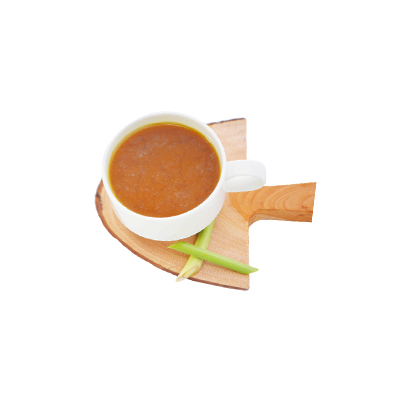
1. Maintaining body stamina
- Bruise 10 lemongrass stalks.
- Prepare 400 g ginger, 500 g temulawak, 500 g turmeric, 35 g cinnamon, 2 tbsp sugar, 1 tsp salt, 5 liters water, 400 g palm sugar, 17 g tamarind.
- Soak for 30 minutes: ginger, turmeric and temulawak then peel and grate. Boil all ingredients until boiling and the water reduces to 4.5 liters. Cool and strain.
- Drink twice a day. (The herbal drink can be stored in the fridge for 2 weeks).
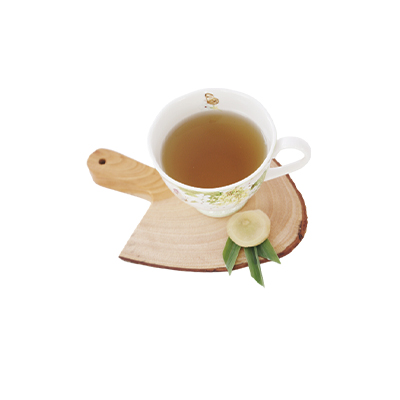
2. Maintaining digestive function
- Prepare 10 lemongrass leaves, 2 finger-segments of ginger, 500 ml water.
- Boil all ingredients until boiling.
- Drink before bed.
Reference Sources
- National Parks. Flora & Fauna Web. Cymbopogon citratus (DC.) Stapf. https://www.nparks.gov.sg/florafaunaweb/flora/1/9/1918 26-01-2021
- Rahmawati. 2020. Jaga Stamina. HO, Medan.
- Rini Sumartini. 2020. Menjaga Fungsi Pencernaan. Kebun SSPL, Bangun Bandar.