Dicliptera tinctoria Nees Kostel.
Summary
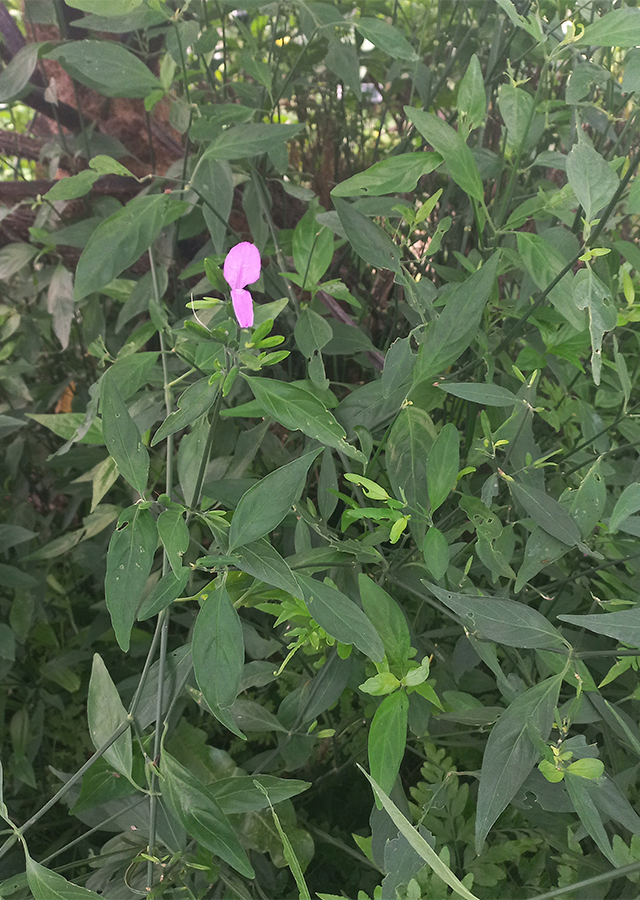
Magenta (Dicliptera tinctoria) is a herb up to 1 meter tall from the Acanthaceae family, spread from Southern Assam to Southeast China and the Philippines. Its leaf extract is used as a magenta food coloring characteristic of Vietnamese cuisine, especially in taro-filled cakes. In traditional Chinese medicine, magenta is traditionally used to treat coughs and dysentery.
Agroecology
This plant is found at elevations of 500-1,000 m asl. It grows well in shaded conditions (only morning sun), requiring fertile soil (sandy loam and sandy clay loam), high humidity, low temperatures, low light intensity, and normal pH.
Morphology
- Stem 5- or 6-angled, many-branched, grooved, velvety hairy.
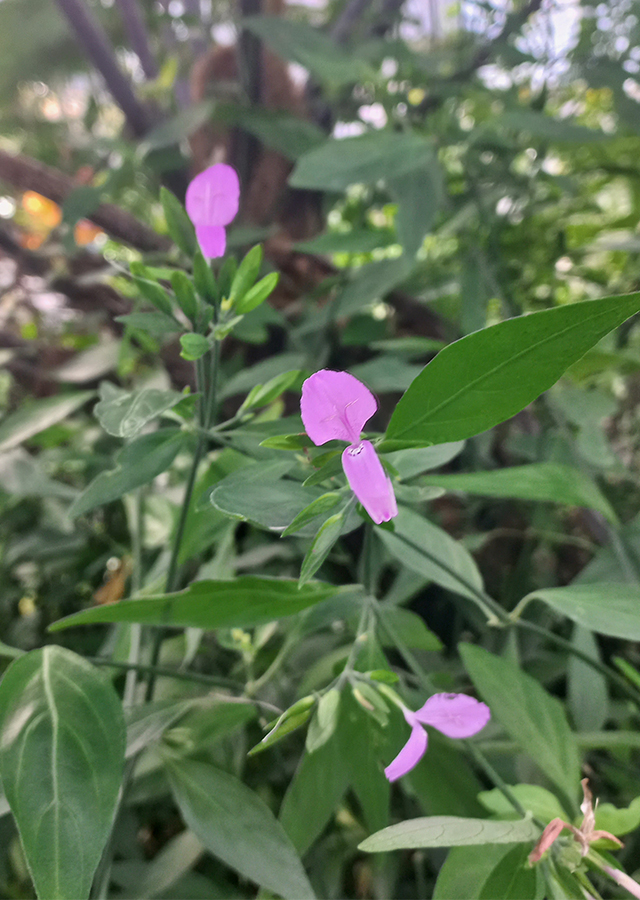
- Leaves petiole up to 3.5 cm long, blade ovate to lanceolate-ovate, 3-14.5 x 1.5-5.3 cm, both surfaces smoothly velvety-hairy or becoming glabrous, 5 or 6 secondary veins on each side of the midrib, base broadly wedge-shaped to nearly rounded, margin wavy, tip tapering to pointed.
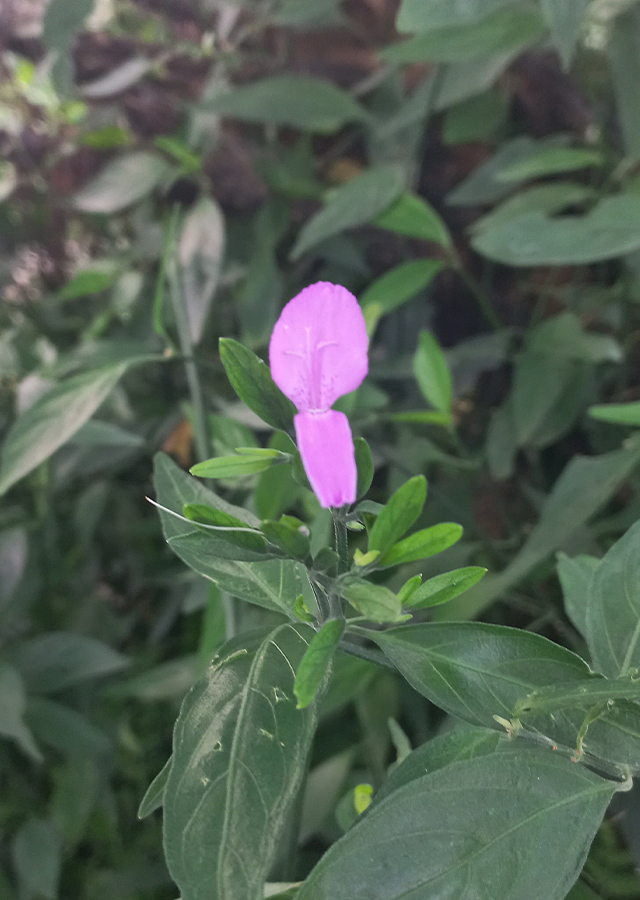
- Flowers arranged in cymes in the leaf axils or at branch tips, stalked. Inflorescence stalk 0.3-2.3 cm long. Flowers pink, 3.5-5.7 cm, outer surface velvety-hairy with non-glandular trichomes, tube about 1.5 mm in diameter. Lower lip broadly ovate-elliptic, 2.2-2.6 x about 1.8 cm, notched tip, upper lip oblong, 2-2.5 x about 0.9 cm, 3-lobed. Staminal filaments about 1.3 cm.
- Fruit a capsule about 1.5 cm, velvety-hairy.
- Seeds about 1.5 x 1.5 mm.
Cultivation
Propagation by seeds and stem cuttings.
Chemical Content
Alkaloids, saponins, triterpenoids, tannins, and flavonoids.
Benefits
Treats coughs, dysentery, diarrhea and bronchitis, wounds. Has antihypertensive and antilipidemic activity.
Local Names
Noja, Luja (Maluku).
Traditional Recipes
The following recipes reflect traditional knowledge passed down through generations, not a substitute for professional medical diagnosis or advice. Consult a healthcare provider before use.
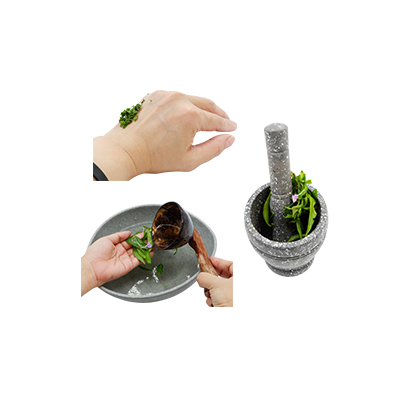
1. Wounds
- Take magenta leaves as needed and wash until clean.
- Mash the leaves into a paste.
- Apply the leaves to the affected skin area.
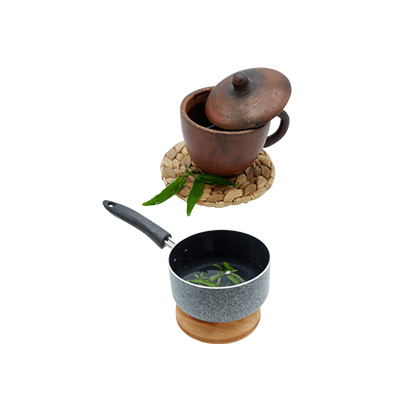
2. Treating bronchitis
- Prepare magenta leaves as needed and wash until clean.
- Boil the magenta leaves until boiling.
- Strain the decoction.
- Drink while warm.
Reference Sources
- Flowers of India. Dye Foldwing. https://www.flowersofindia.net/catalog/slides/Dye%20Foldwing.html. 09-09-2021.
- Royal Botanical Garden. 2017. Plants of the World Online: Dicliptera tinctoria (Nees) Kostel. http://powo.science.kew.org/taxon/urn:lsid:ipni.org:names:47708-1. 09-09-2021.
- A. Ketut Agus, Bagus Komang Satriyasa, Desak Made Wihandani, I Made Jawi. 2021. Majalah Obat Tradisional, The Antioxidant Capacity of Peristrophe bivalvis (L.) Merr. as Natural-Based Nephroprotection. https://jurnal.ugm.ac.id/TradMedJ/article/view/53861.