Digitalis purpurea L.
Summary
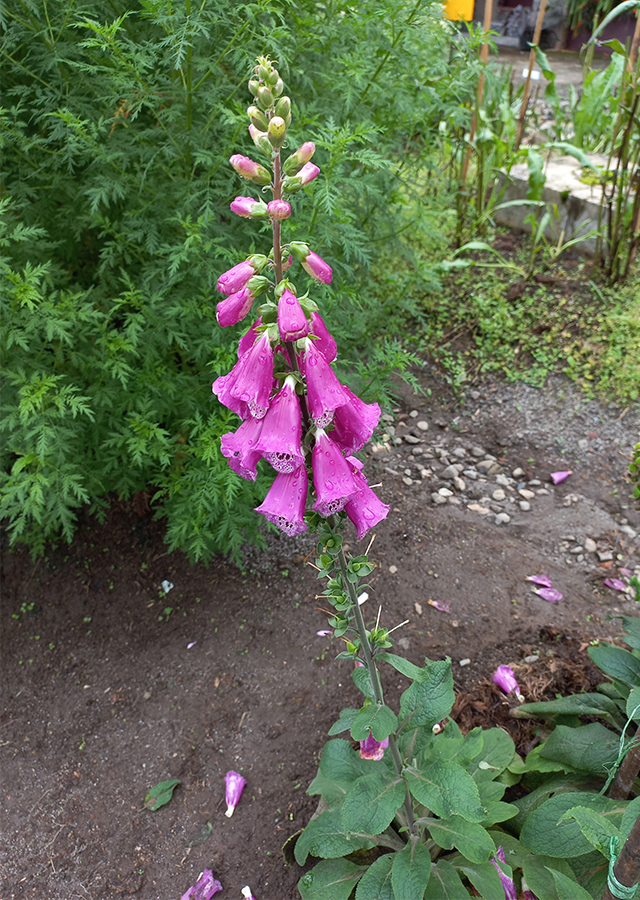
Digitalis (Digitalis purpurea) is a perennial or biennial herb up to 2 meters tall from the Plantaginaceae family native to Western Europe, used by the ancient Romans and included in the first edition of the United States Pharmacopeia in 1820. This plant became the basis of modern heart disease treatment thanks to its potent cardiac compound content, but all its parts are highly toxic and require strict medical supervision.
Agroecology
Digitalis is very easy to grow as it can thrive in various conditions. This species can grow in sunny habitats or shaded areas, and can even grow in dry or moist soil. However, this species develops best in partially shaded areas with light, nitrogen-rich dry soil or areas that have been recently disturbed, for example by fire or forest clearing. In addition, digitalis can grow across a wide range of temperatures, down to -25°C. Because of this cold tolerance, digitalis can easily colonize wild habitats such as temperate forests, open woodlands, hedge banks, sea cliffs, dry hilly grasslands, and rocky mountain slopes. This species is also well adapted to acidic soil.
Morphology
- Roots a branching taproot.
- Stem upright, thick, cylindrical, unbranched, tomentose (finely wool-like, curly hairs).
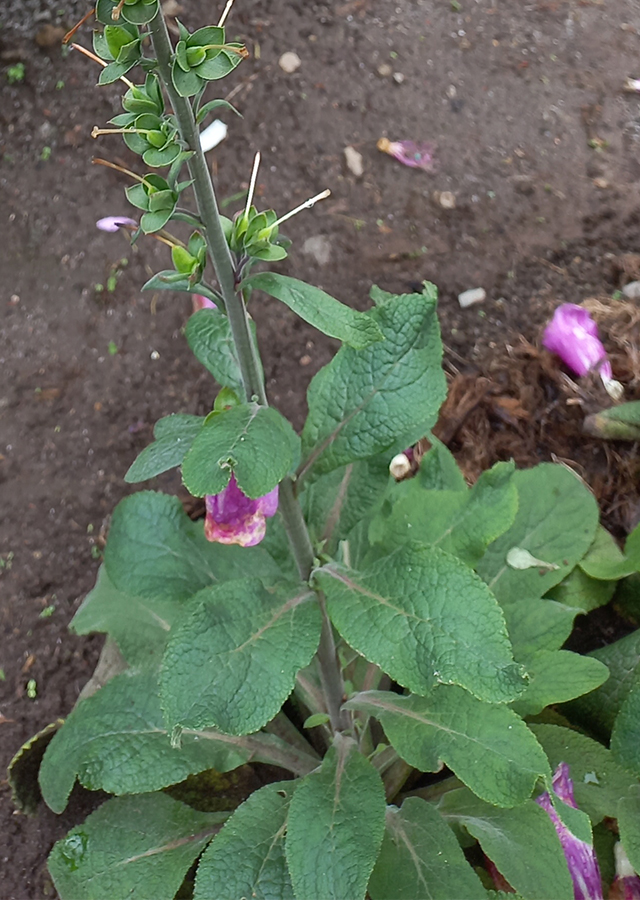
- Leaves alternate, lanceolate-ovate, narrowing upward. Nearly all leaves crenate, only the uppermost leaves have entire margins. Upper surface slightly puberulent, dark green, slightly wrinkled. Lower surface grayish green, very puberulent. Veins pinnate. Petiole winged and long.
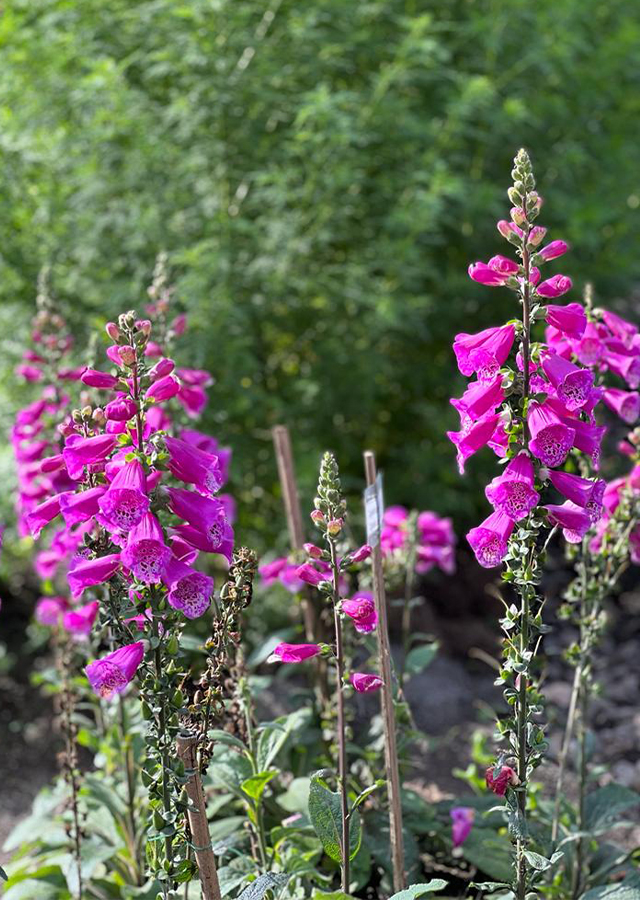
- Flowers calyx 5-lobed, ovate shaped and pointed at the tip. Corolla bell-shaped (campanulate), with 4 lobes, light purple with red and white spots inside, bilabiate with a blunt upper lip and an ovate tip on the lower lip. Hairless outside and with a white canopy inside. Has 2 long stamens and 2 short stamens, and 1 superior ovary. Inflorescence a raceme, consisting of 15-50 or more flowers.
- Fruit a 2-valved capsule, villous (long, straight, silvery white hairs), ovate shaped, glandular.
- Seeds small, oblong, truncate.
Cultivation
Propagation is done generatively using seed. The seeds are small in size, so when sowing they can be mixed with sand. Seeds usually germinate within 2-4 weeks at 20°C.
Chemical Content
Cardiac glycosides or cardenolides (digitoxin, digoxin, ouabain, oleandrin, and proscillaridin), essential oil, steroidal saponins (desgalactotigonin, digitonin, purpureagitoside), acteoside, purpureaside A, calceolarioside B, plantainoside D, flavones, the flavonoid chrysoeriol, organic acids.
Benefits
Treats heart disease, asthma, epilepsy, tuberculosis, constipation, headaches, seizures, wounds and burns, boils, abscesses, paralysis, edema, heals ulcers, reduces swelling. Has cytotoxic, antidiabetic, antioxidant, immunological, hepatoprotective, neuroprotective, and cardioprotective activity.
Simplisia
- Prepare fresh digitalis leaves, wash clean with running water then drain.
- Dry under the sun or with an oven at 40° until the moisture content reaches 5%.
- Grind using a blender until it becomes powder.
- Store in a clean, airtight container.
Local Names
Informasi tidak ditemukan. Butuh penelusuran lebih lanjut.
Traditional Recipes
The following recipes reflect traditional knowledge passed down through generations, not a substitute for professional medical diagnosis or advice. Consult a healthcare provider before use.
1. Heals ulcers
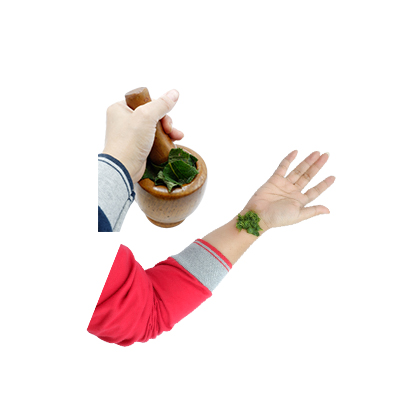
- Take an adequate amount of fresh digitalis leaves.
- Wash clean with running water.
- Grind until it becomes a paste.
- Apply the leaf paste to the ulcerated area.
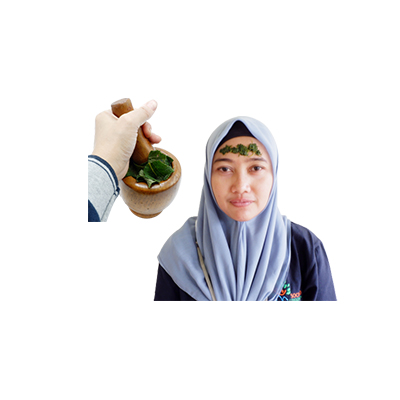
2. Headache
- Prepare an adequate amount of fresh digitalis leaves.
- Clean off any attached dirt by washing in running water
- Grind until fine.
- Apply to the forehead to relieve headache.
Reference Sources
- Al-Snafi A. E. 2017. PHYTOCHEMICAL CONSTITUENTS AND MEDICINAL PROPERTIES OF DIGITALIS LANATA AND DIGITALIS PURPUREA- A REVIEW. INDO AMERICAN JOURNAL OF PHARMACEUTICAL SCIENCES, 4 (02), 225-234. http://doi.org/10.5281/zenodo.344926.
- Jadhav M., Ghanghav S., Singh N. 2018. DIGITALIS PURPUREA: AN OVERVIEW ON PHYTOCHEMICAL AND PHARMACOLOGICAL PROFILE. International Journal of Pharmacognosy, Vol. 5(9): 563-570. DOI 10.13040/IJPSR.0975-8232.IJP.5(9).563-70.
- Plants For A Future. 2021. Digitalis purpurea L. https://pfaf.org/USER/Plant.aspx?LatinName=Digitalis+purpurea. 25-11-2021.
- Drugs.com. 2021. Digitalis. https://www.drugs.com/npp/digitalis.html. 25-11-2021.
- Royal Botanic Gardens. 2021. Plants of the World Online: Digitalis purpurea L. https://powo.science.kew.org/taxon/urn:lsid:ipni.org:names:802077-1. 25-11-2021.
- The Plant List. 2010. Digitalis purpurea L. http://www.theplantlist.org/tpl/record/kew-2768087. 26-11-2021.
- Bioweb. 2007. Digitalis Purpurea. http://bioweb.uwlax.edu/bio203/2011/durham_eric/habitat.htm. 26-11-2021.