Diospyros nigra (J.F.Gmel.) Perr.
Summary
Diospyros nigra or black sapote is a tropical fruit tree native to Mexico, the Caribbean, Central America, and Colombia, brought by the Spanish to the Philippines and now naturalized in Maluku and Sulawesi. Its ripe fruit is rich in vitamins C, A, and E—its vitamin C content is about four times that of an orange—and is commonly eaten fresh or processed into ice cream and jam. Besides serving as a shade and ornamental plant, black sapote is traditionally used to address asthma, diabetes, and various skin disorders.
Agroecology
Black sapote can grow and fruit in both tropical and subtropical climates. Therefore this plant can adapt and grow well in the Indonesian region. It is a plant that easily grows from lowlands to highlands, namely 200-1,800 m asl. This plant can adapt to various soil types, provided it has adequate moisture, plenty of water content, but well-drained so it will not become waterlogged. Able to tolerate mild flooding but sensitive to drought. The soil used should also contain plenty of minerals and be rich in nutrients. The desired soil acidity level (pH) for growing black sapote ranges between 5.6-6.5. This plant also needs sunlight throughout the day. However, this plant must also be protected from windy weather and cold air. Grows best in areas with an annual daytime temperature ranging between 20-27°C, but can tolerate 12-34°C. Mature plants can die at -2°C or lower, while young plants will be severely damaged at 0°C. Prefers mean annual rainfall in the range of 1,200-1,600 mm, but tolerates 1,000-2,400 mm.
Morphology
- Roots a taproot.
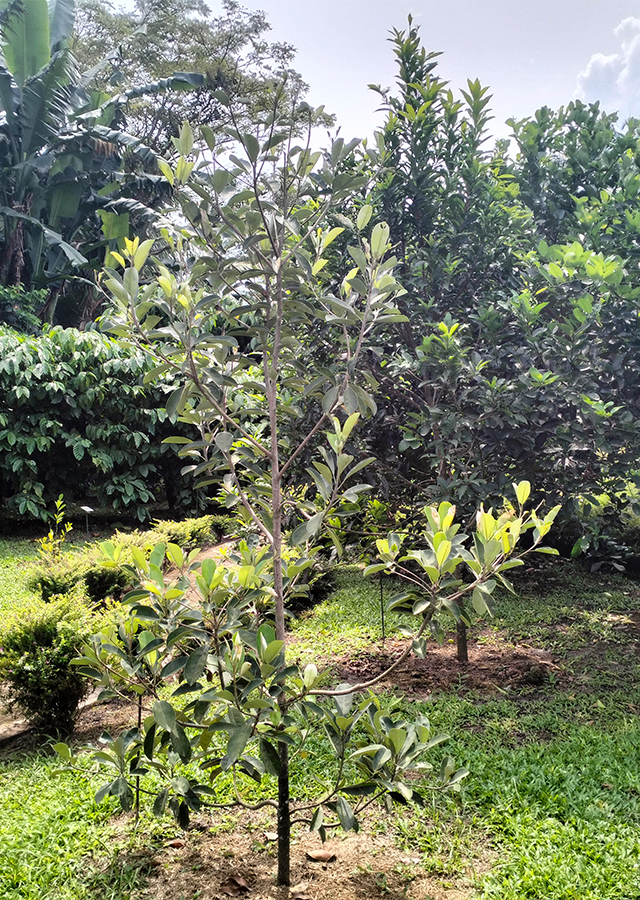
- Trunk has black bark. The wood is yellowish to dark yellow with black marks near the core of old trunks.
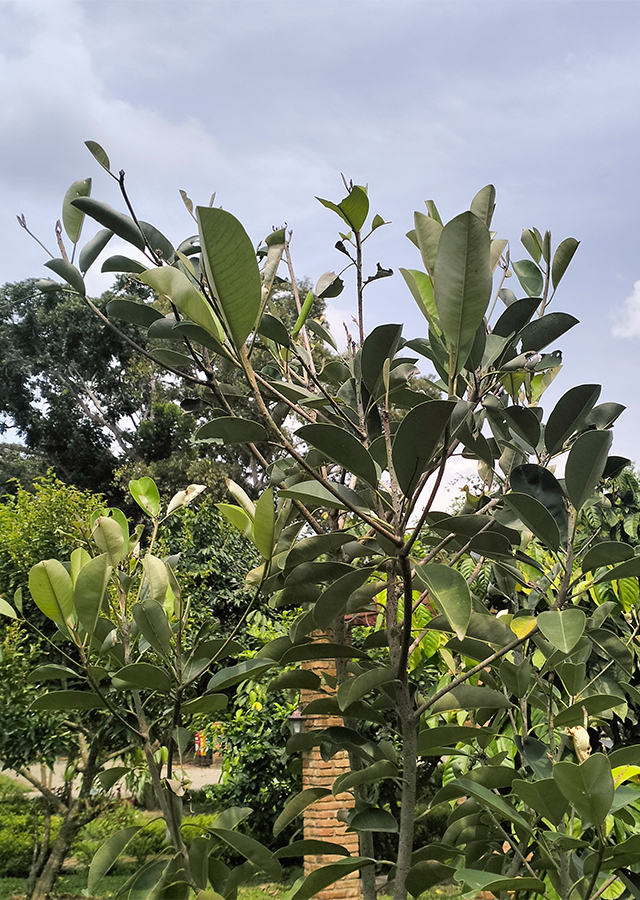
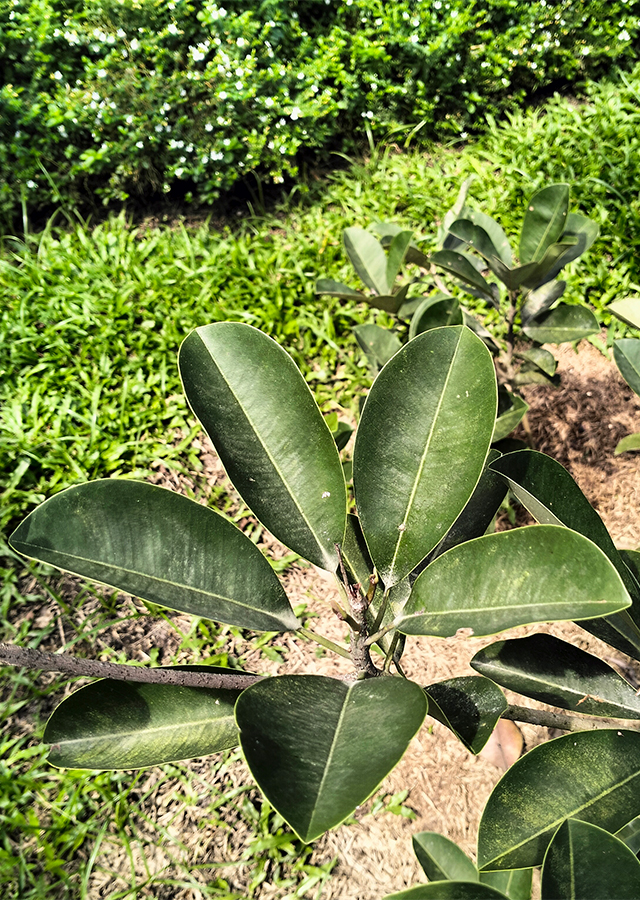
- Leaves rough, arranged alternately, elliptic-oblong to lanceolate shaped, leaf length about 10-30 cm, glossy dark green, veins pinnate.
- Flowers usually dioecious, meaning some trees produce only male flowers and do not fruit, and other trees produce female or bisexual, fruiting flowers. Some trees can produce male and female (bisexual) flowers on the same tree. Male flowers usually clustered 3 to 7, and female flowers usually solitary. Flowers white and tube-shaped, growing in the leaf axils and about 1-1.6 cm in diameter with a green calyx. Ovary with 8 to 12 carpels.
- Fruit tomato-like, round or oblate (flattened round) shaped and about 5-15 cm in diameter. Fruit skin smooth, thin, green while unripe and turning murky green when ripe. Ripe fruit flesh brown to nearly dark, with a soft texture similar to chocolate pudding, sweet tasting.
- Seeds brown or reddish brown, flattened, smooth. Seeds numbering 1-10 in each fruit.
Cultivation
- Plant propagation through seed and grafting.
- Seed germinates within about 30 days, and if properly dried, remains viable for several months.
- The best grafting method is side grafting, leaving at least two leaves on the rootstock. The scion should have two and a half leaves and its bud should be woody, but without new growth. Grafted plants should be placed under 70% shade and covered with a plastic bag for 3-4 weeks.
- Trees grown from seed begin fruiting at 5-6 years old, while grafted specimens can fruit at 2-3 years old.
Chemical Content
Rich in polyphenols, especially sinapic acid and proanthocyanidins, flavan-3-ols, flavon-3-ols, flavanonol, citric acid, ferulic acid, fumaric acid, carotenoids.
Benefits
Treats asthma, dermatitis, hypertension, diabetes, atherosclerosis, insomnia, various skin conditions (leprosy, ringworm, itchy skin), reduces fever, boosts the immune system, protects against heart disease and cancer, aids digestion (addresses constipation), improves vision, strengthens bones and teeth and helps maintain muscle contraction and blood clotting, helps with weight loss. Has antimicrobial and antioxidant activity.
Local Names
Kesemek hitam.
Traditional Recipes
The following recipes reflect traditional knowledge passed down through generations, not a substitute for professional medical diagnosis or advice. Consult a healthcare provider before use.
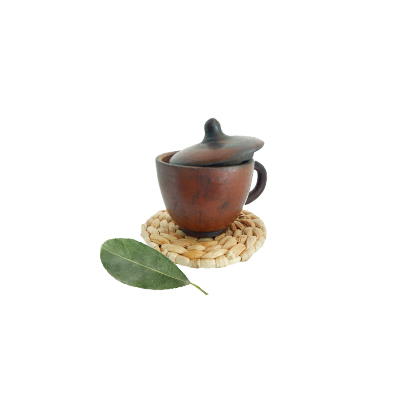
1. Reduces fever
- Take an adequate amount of black sapote leaves and wash until clean.
- Boil until it boils.
- Let it cool to warm or cold.
- Strain then drink.
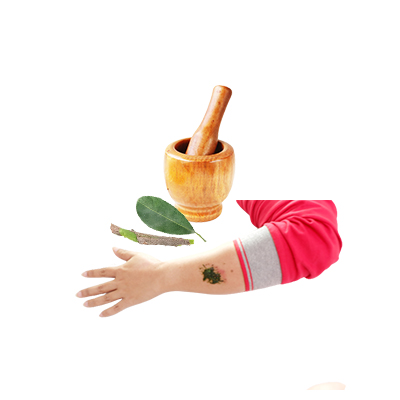
2. Treats itchy skin
- Take an adequate amount of black sapote bark and leaves and wash until clean.
- Grind until it becomes a paste.
- Apply as a poultice on the itchy skin.
Reference Sources
- Royal Botanic Gardens, Kew. Plant of the World Online: Diospyros nigra (J.F.Gmel.) Perr.. https://powo.science.kew.org/taxon/urn:lsid:ipni.org:names:322764-1#synonyms. 27-12-2022.
- Flora Fauna Web. 2022. Diospyros nigra (J.F.Gmel.) Perr.. https://www.nparks.gov.sg/florafaunaweb/flora/7/0/7090. 27-12-2022.
- BBP2TP. 2019. Buah Rasa Puding Coklat : Black Sapote. http://bbp2tp.litbang.pertanian.go.id/index.php/berita/berita-teknologi/1880-buah-rasa-puding-coklat-black-sapote. 27-12-2022.
- Mannino G., Serio G., Bertea C. M., Chiarelli R. Lauria A., Gentile C. 2022. Phytochemical profile and antioxidant properties of the edible and non-edible portions of black sapote (Diospyros digyna Jacq.). Food Chemistry 380, 132137. https://doi.org/10.1016/j.foodchem.2022.132137.
- Plants For A Future. 2010. Diospyros digyna - Jacq.. https://pfaf.org/user/Plant.aspx?LatinName=Diospyros+digyna. 27-12-2022.
- Johanna, S. MedIndia. 2018. Health Benefits of Black Sapote or Black Persimmon. https://www.medindia.net/patients/lifestyleandwellness/health-benefits-of-black-sapote-or-black-persimmon.htm#:~:text=Antioxidant%20activity%20of%20black%20sapote,connective%20tissues%20in%20the%20body. 27-12-2022.
- Growables. Grow Florida Edibles. 2021. Black Sapote - Diospyros digyna. https://www.growables.org/information/TropicalFruit/BlackSapote.htm. 27-12-22.