Drimiopsis maculata Lindl. & Paxton
Summary
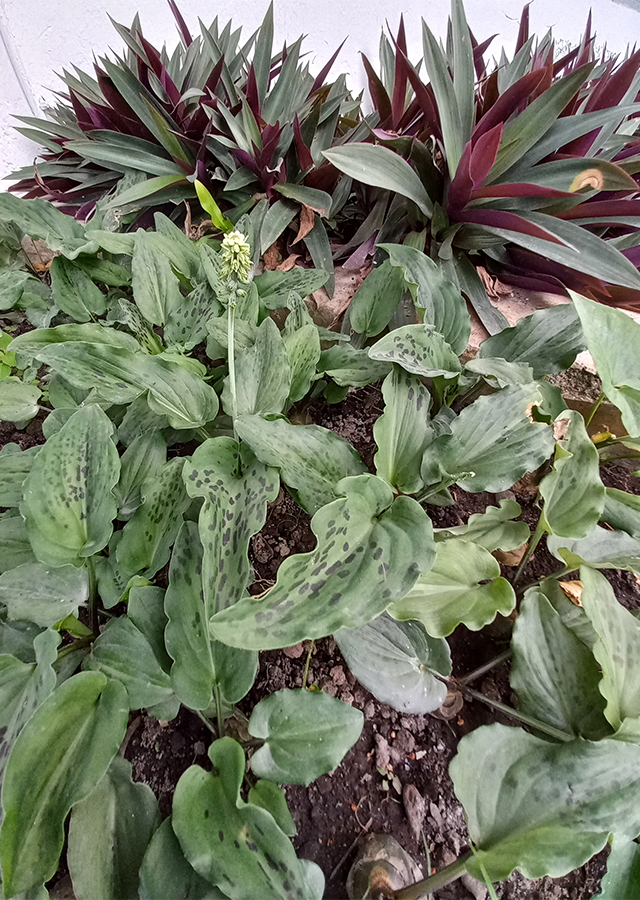
Keladi katak (Drimiopsis maculata) is a herb up to 30 cm tall from the Asparagaceae family spread from Tanzania to South Africa. Its frog-skin-like spotted leaves make it a popular indoor ornamental. Among the Zulu people, an infusion of keladi katak tuber is traditionally used as an enema for stomach-related diseases in children.
Agroecology
Grows well at elevations up to 990 m asl. Prefers light shade (will need several hours of sunlight), but adapts very well to heavy shade. Prefers slight shade for good leaf color. Able to adapt to various garden soils rich in organic matter, well-drained, and moist soil.
Morphology
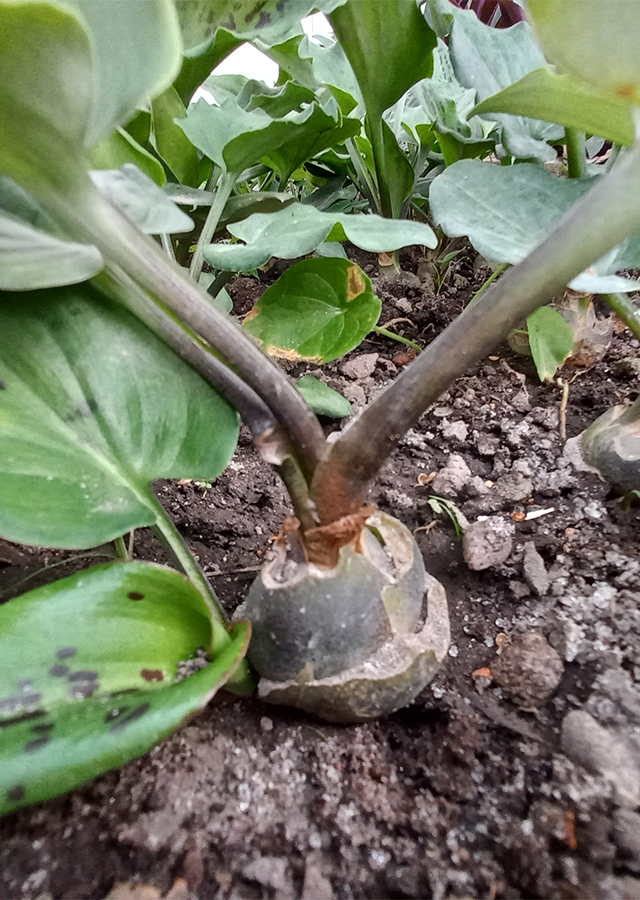
- Tuber on its roots underground like an onion.
- Leaves triangular with a ± wavy margin and a distinct pseudopetiole, purple-spotted, leaf blade ± 9 cm long, ± 4.5 cm wide, petiole 10 cm.
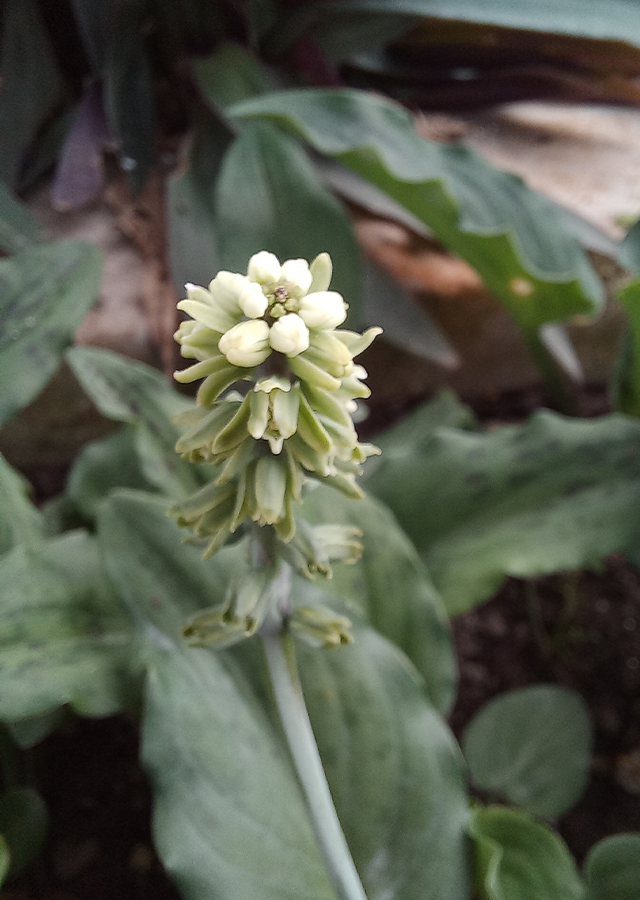
- Flowers compound, in a panicle, single flower stalk shorter than 1 mm. Perianth segments up to 5 mm long, inner segments winding and narrower than the outer ones. Cream or pale white color.
- Fruit a capsule, seeds not visible.
Cultivation
Propagation by dividing tuber clusters or separating offshoots from the parent.
Chemical Content
Scillascillin-type homoisoflavanones, norlignan, xanthone.
Benefits
As an enema for stomach-related diseases in children. Treats pain and fever. Tuber infusion as a cleanser for newborns suffering from 'ipleyti', related to marasmic conditions. Has anti-inflammatory and antioxidant activity.
Local Names
Keladi kodok, Totol leopard.
Traditional Recipes
The following recipes reflect traditional knowledge passed down through generations, not a substitute for professional medical diagnosis or advice. Consult a healthcare provider before use.
1. Treating pain and fever
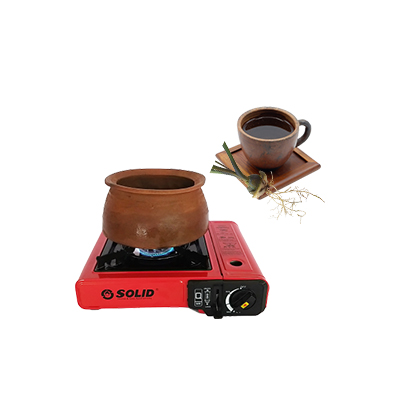
- Take keladi katak tuber and root and wash until clean.
- Grate both ingredients then boil until boiling.
- Let stand until warm/cool.
- Strain, then drink.
Reference Sources
- Royal Botanic Gardens. 2017. Plants of the World Online : Drimiopsis maculata Lindl. & Paxton. http://www.plantsoftheworldonline.org/taxon/urn:lsid:ipni.org:names:534585-1. 09-10-2021.
- Flora Fauna Web. 2021. Drimiopsis maculata Lindl. & Paxton. https://www.nparks.gov.sg/florafaunaweb/flora/5/0/5080. 09-10-2021.
- Lister Dube, Kuben K. Naidoo, Georgina D. Arthur, Adeyemi O. Aremu, JiriGruz, Michaela Subrtova, MonikaJarosova, Petr Tarkowski, et al. 2018. Regulation of growth, nutritive, phytochemical and antioxidant potential of cultivated Drimiopsis maculata in response to biostimulant (vermicompost leachate, VCL) application. An International Journal on PlantGrowth and Development.