Drymonia turrialvae Hanst
Summary
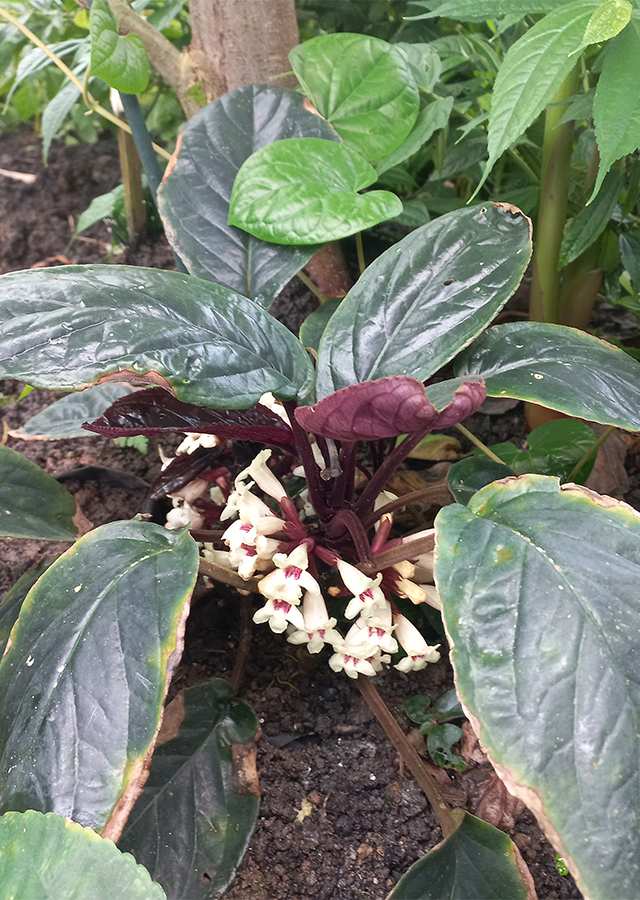
Drymonia turrialvae, known in North Sumatra as lidah kebo jantan, is native to Central and South American regions such as Colombia, Costa Rica, and Panama, but is also found growing wild in the forests of the Karo Highlands. The Karo people have long used this plant as an ingredient in the distinctive Karo oil or liniment to maintain body health, including addressing body aches, colds, and speeding up wound healing.
Agroecology
Lidah kebo jantan lives in shaded forest habitats at elevations approaching 1,360 m, so its area is wet and cool. Prefers shaded environmental conditions.
Morphology
- Stem cylindrical to somewhat square, succulent, red to purplish in color, hairless to spiny.
- Leaves arranged distally on the stem, similar within each pair, 9-37 × 5-23 cm, ovate to suborbicular, glabrate on both sides, generally pink to purple below.
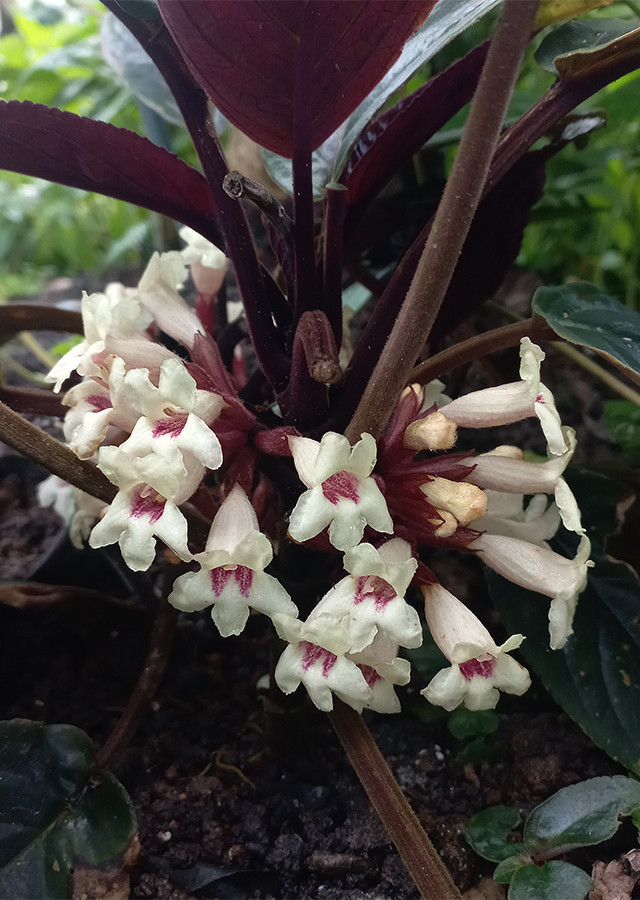
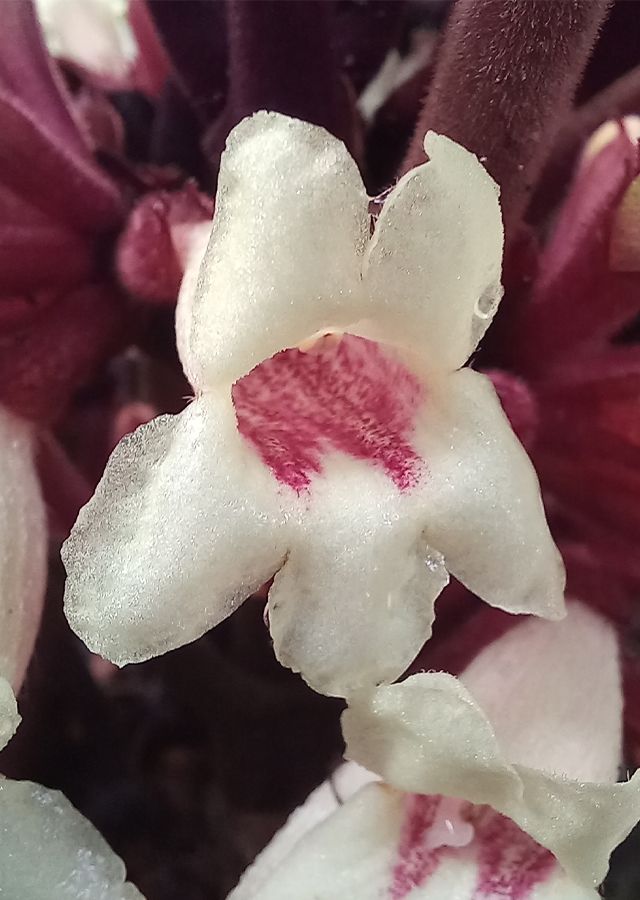
- Flowers numerous, dense, with reduced pedicels. Bracts (1-)2-2.5 cm, oblong, leafy, conspicuous, sometimes alternating with leaves, with pedicels 8-50 mm, calyx purple, glabrate, lobes 15-33 mm, ovate, acute to acuminate at the tip, margin inconspicuously toothed. Corolla flat against the calyx, white with or without purple at the mouth, 40-65 mm, ± funnel-shaped, purple.
- Fruit a berry, unlike the capsule found in most Drymonia spp., lavender to purplish in color, 1 cm in diameter.
Cultivation
Propagation is done generatively using seed.
Chemical Content
Information not found. Further research is needed.
Benefits
Treats body aches, colds, heals wounds, dries and treats burned skin, strengthens bones in babies, treats broken bones.
Local Names
Dilah kerbau.
Traditional Recipes
The following recipes reflect traditional knowledge passed down through generations, not a substitute for professional medical diagnosis or advice. Consult a healthcare provider before use.
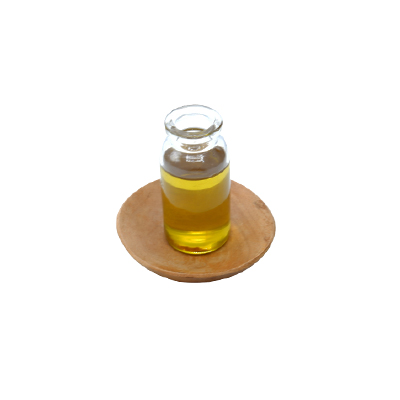
1. Karo oil (treats body aches)
- Prepare ingredients: 50 g pirawas, 50 g lidah kebo jantan, 40 g lompat pitu, and 100 kinds of plant ingredients, 6 l packaged coconut oil/palm oil, 1 tbsp salt.
- Wash all ingredients clean and group them separately (leaves, dry ingredients, and citrus fruits).
- Slice all leaf, onion, ginger, and citrus ingredients, keeping them separate.
- Add the ingredients and stir until boiling and fragrant, finally add the salt.
- Once cooked, the oil can be removed and strained.
Reference Sources
- Royal Botanic Gardens. 2021. Plants of the World Online: Drymonia turrialvae Hanst.. https://powo.science.kew.org/taxon/urn:lsid:ipni.org:names:380750-1.
- Missouri Botanical Garden. 2016. Drymonia turrialvae Hanst. http://legacy.tropicos.org/NamePage.aspx?nameid=14000564&projectid=66&langid=10.
- Felipe Passero, Erika Dos Santos Brunelli, Thamara Sauini. T, Thais Fernanda Amorim Pavani. The Potential of Traditional Knowledge to Develop Effective Medicines for the Treatment of Leishmaniasis. June 2021. Frontiers in Pharmacology 12. DOI:10.3389/fphar.2021.690432. https://www.researchgate.net/publication/352221292_The_Potential_of_Traditional_Knowledge_to_Develop_Effective_Medicines_for_the_Treatment_of_Leishmaniasis.
- ANDERS S. BARFOD and LARS PETER KVST. 1996. Comparative Ethnobotanical Studies of the Amerindian Groups in Coastal Ecuador. https://gesneriads.info/wp-content/uploads/2020/02/comparative-ethnobotanical-studies-391_Barfod-Anders-S.-and-Kvist-Lars-Peter.pdf.