Ehretia microphylla Lam.
Summary
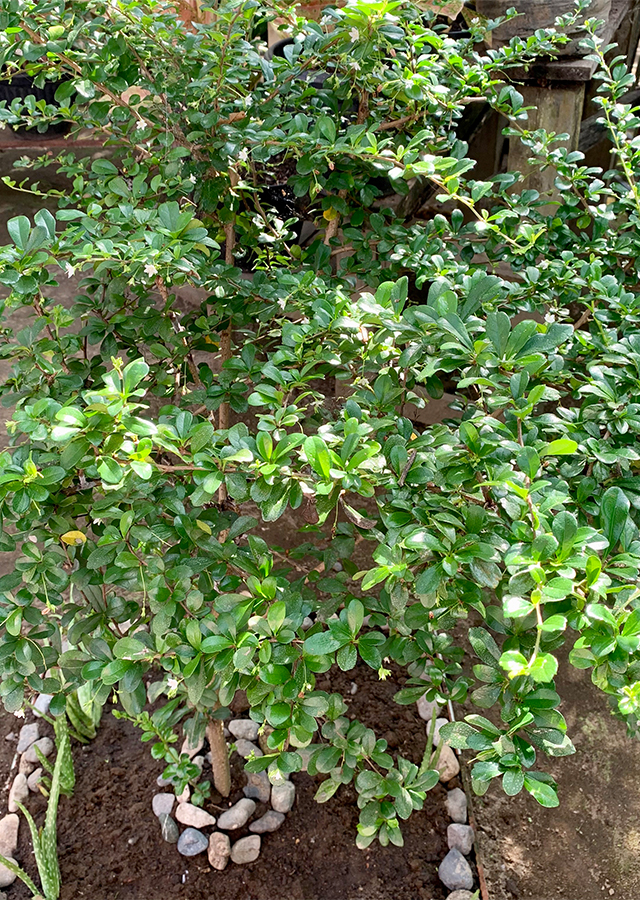
Hokianti tree (Ehretia microphylla) is a hard woody shrub up to 4 meters tall of the Boraginaceae family, distributed across nearly all of Asia to the Solomon Islands. Its whitish, scaly wood makes it a favorite bonsai material, while in the Philippines its leaves have long been steeped as tea. Hokianti is traditionally believed to address diarrhea, dysentery, and act as a poison antidote.
Agroecology
Hokianti can be found in mountains or hills, but is sometimes also found in riverside areas. Grows in open, dry or hot land. This tree grows at low and medium elevations with somewhat sandy soil.
Morphology
- Root a taproot and very sturdy.
- Stem long and slender, young stems finely hairy, can grow 3-4 m tall when mature.
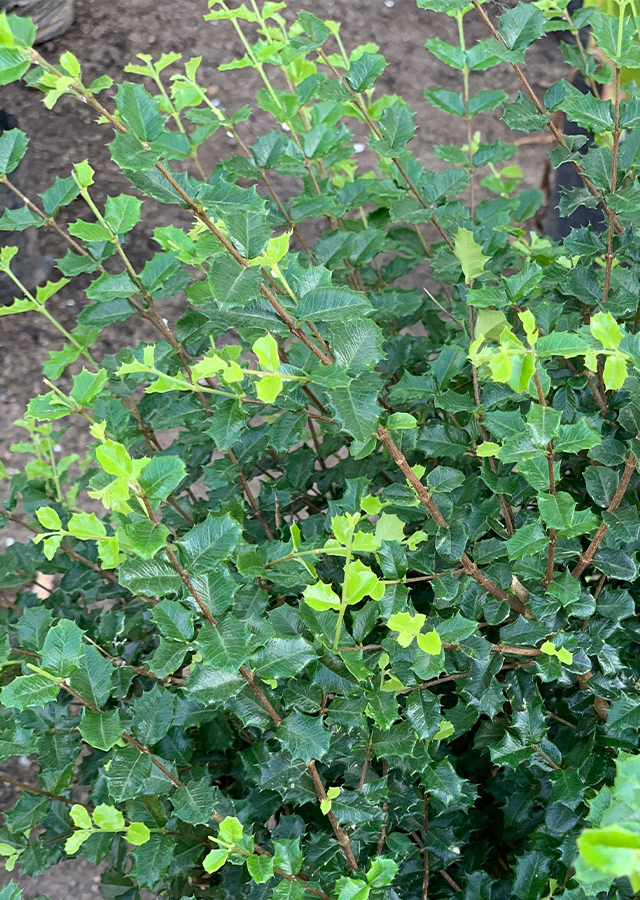
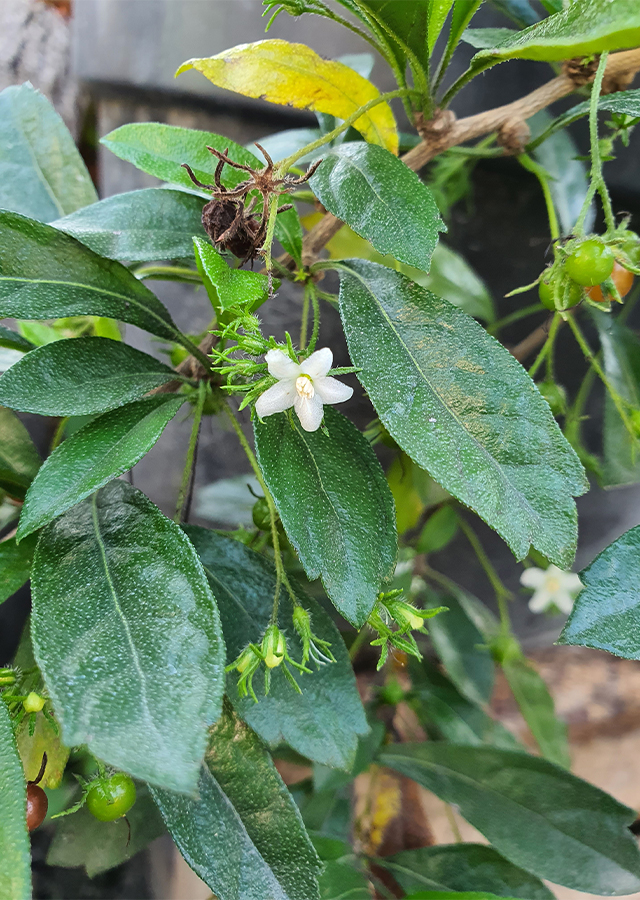
- Leaves clustered, round to oblong, sized between 1-3 cm, rough texture, thick, glossy green in color and has 3-5 serrations on the upper part of the leaf.
- Flowers white in color, small, appearing in leaf axils, one stalk with 2-4 flowers, 5 mm long.
- Fruit round, small in size. Young fruit green in color, ripe fruit deep yellow-orange in color.
Cultivation
- Propagated by stem cuttings, but even easier with young shoot cuttings.
- Roots will grow 1-2 months after stem or shoot cuttings.
Chemical Content
Leaves: rosmarinic acid, flavonoid and triterpenoid glycosides. Root: ehretianone and microphyllone.
Benefits
Addresses stomach ailments, diarrhea, fever reducer, dysentery and cough, poison antidote, stops bleeding from venomous snake bites, cleanses the body after childbirth.
Simplisia
- Choose good, fresh hokianti leaves, wet-sort (separating dirt).
- Wash hokianti leaves thoroughly then drain.
- Dry in the sun or with a drying tool.
- Once dry, pack in an airtight container and store in a clean, well-ventilated place.
Local Names
Gambiran (Yogyakarta), Okianti, Hokiantea, and Serut pagar.
Traditional Recipes
The following recipes reflect traditional knowledge passed down through generations, not a substitute for professional medical diagnosis or advice. Consult a healthcare provider before use.
1. Diarrhea
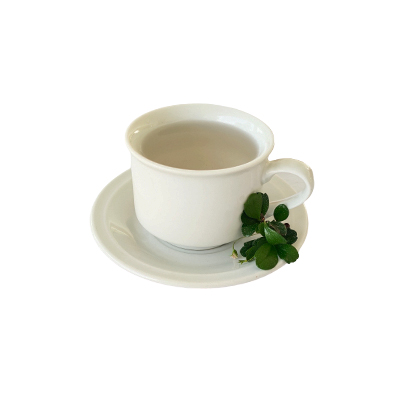
- Boil 8 hokianti leaves with 2 glasses of water for 15 minutes.
- Strain the concoction then cool. Use ¼ portion every 2-3 hours.
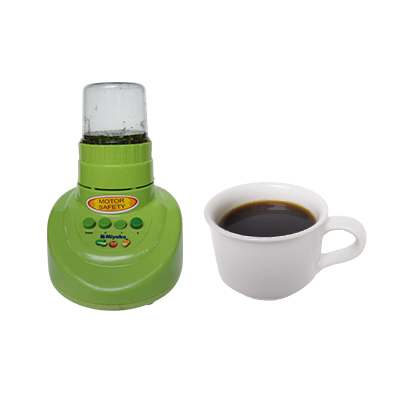
2. Diabetes
- Slice 50 g hokianti leaves then add 100 ml water.
- Use a blender to mix both ingredients to obtain 120 ml juice extract
- Drink 1-2 times a day.
Reference Sources
- Badan penelitian dan pengembangan kesehatan. 1999. Inventaris tanaman obat indonesia (V). Departemen kesehatan dan kesejahteraan sosial RI.
- ThePlantList.Org. Ehretia microphylla Lam. http://www.theplantlist.org/tpl1.1/record/kew-2784796 27-01-2021
- Stuartxchange. Tsaang gubat. TSA. Ehretia microphilla Lam. WILD TEA. http://www.stuartxchange.org/Tsaang 31-08-2020