Elephantopus scaber L.
Summary
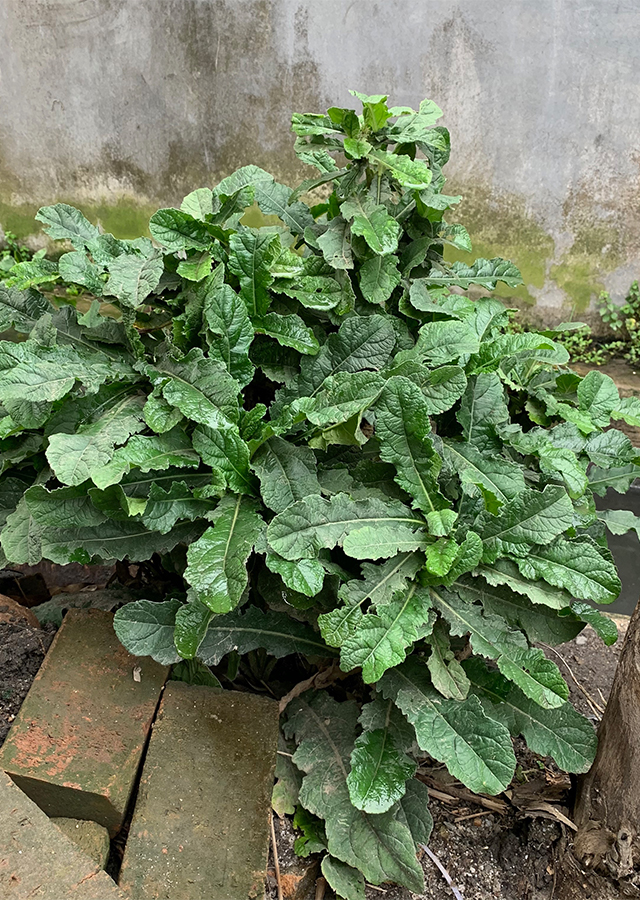
Tapak liman (Elephantopus scaber) is a herb up to 80 cm tall of the Asteraceae family, a plant native to tropical America distributed across Africa, Asia, and Australia. In Java, this plant grows wild and its young leaves can be cooked as a vegetable, though caution is needed as it can potentially cause allergies in some people. Tapak liman is traditionally believed to be an antidote for snake venom and helps relieve hepatitis.
Agroecology
Grows well at elevations up to 1,500 m above sea level, with temperatures of 15-40 °C. Prefers vertisol or grumosol soil types, loamy or clay loam texture, soil pH 5.8-6.7. Generally grows wild in grass fields and embankments.
Morphology
- Roots spear-shaped, very strong roots.
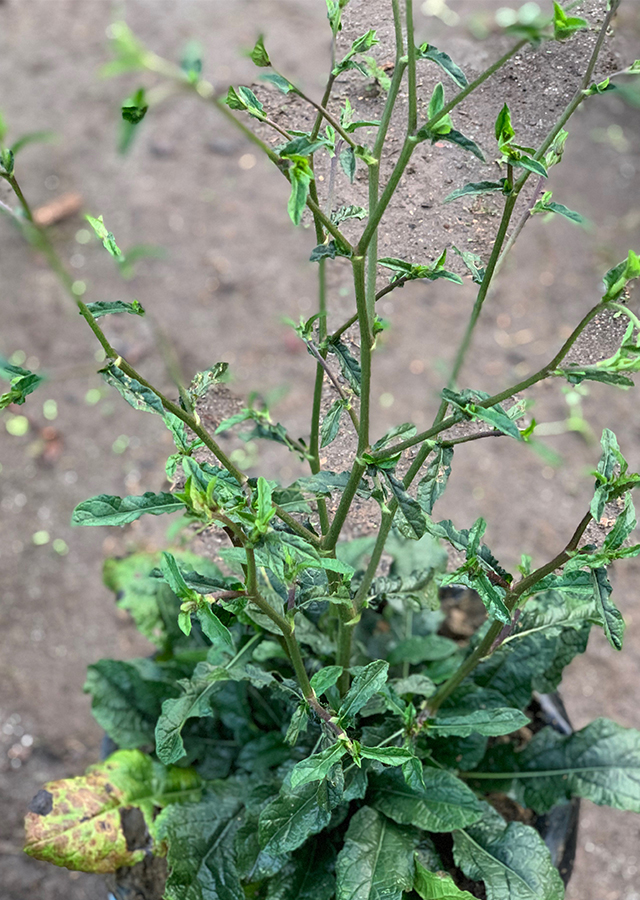
- Stem cylindrical, upright, hard, dark green in color, finely hairy white surface.
- Leaves single, dark green somewhat bluish in color, 35 cm long, 7 cm wide, lobed edges in young plants, in plants with a taller stem, leaves are smaller with smooth edges.
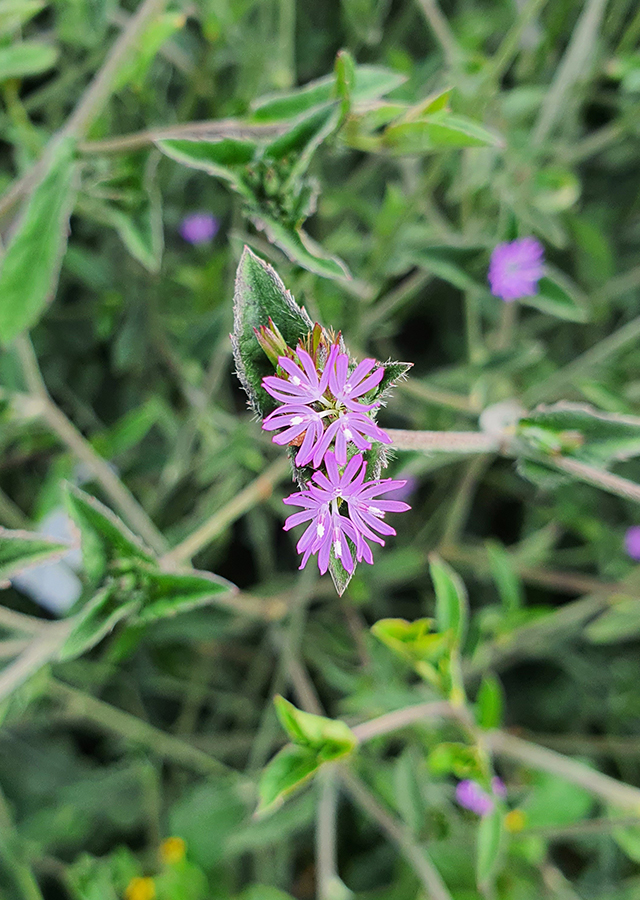
- Flowers compound, gathered in a head protected by 3 bowl-like bracts.
- Fruit tube-like, white in color, 1 cm long, white hairs at the tip.
Cultivation
- Propagated by seed and offshoots.
- Plant seeds in a polybag, once the seedlings start to grow larger, transfer to individual pots.
- Once about 10 cm tall or more, plant in soil or a permanent location.
Chemical Content
Elephantopin, deoxyelephantopin, stigmasterol, flavonoids, epiprielinol, lupeol, stigmasterin, triacontan-1-ol, sesquiterpenes, phenolic acids, cyclosativene.
Benefits
Antidote for snake venom, antibacterial (remedy for eczema, diarrhea, canker sores, cough), anticancer, anti-inflammatory, antifungal, fever reducer (antipyretic), diuretic, hepatitis, treats bloating.
Simplisia
- Select fresh, undamaged leaves. Wash the leaves with clean running water, drain and slice thinly.
- Dry using a dark colored cloth.
- Dry-sort to remove unwanted foreign material.
- Store the dried material in an airtight container or plastic bag, at room temperature and away from direct sunlight.
Local Names
Tutup bumi (Sumatra), Balagaduk cancang (Sunda), Tapak tangan (Java), Talpak tana (Madura).
Traditional Recipes
The following recipes reflect traditional knowledge passed down through generations, not a substitute for professional medical diagnosis or advice. Consult a healthcare provider before use.
1. Fever
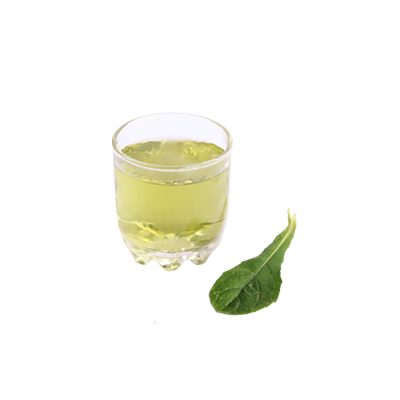
- Boil 2 tapak liman leaves with 2 glasses of water until it boils and the water is reduced by half.
- Cool the concoction then strain.
- Drink 1 glass a day.
2. Bloating
- Wash 60 g tapak liman stem thoroughly.
- Boil in an adequate amount of water.
- Divide the decoction into 2 portions to drink twice.
Reference Sources
- Dalimartha Setiawan. 2003. Atlas Tumbuhan Obat Indonesia. Trubus Agriwidya, Jakarta.
- Hariana Arief. 2006. Tumbuhan Obat dan Khasiatnya. Penebar Swadaya, Jakarta.
- Permadi Adi. 2008. Membuat Kebun Tanaman Obat. Pustaka Bunda, Jakarta.
- Suryo Joko. 2010. Cantik, Sehat dan Bugar dengan Herbal. B-First, Yogyakarta.
- Yunarti Titin. 2008. Ensiklopedia Tanaman Obat Tradisional. Jakarta 391-393.
- Tropical Plants Database, Ken Fern. tropical.theferns.info. Elephantopus scaber. http://tropical.theferns.info/viewtropical.php?id=Elephantopus+scaber 03-01-2021
- Keputusan Menteri Kesehatan Nomor HK.01.07/MENKES/187/2017. 2017. Formularium Ramuan Obat Tradisional Indonesia.
- Widyaningrum Herlina. 2019. Kitab Tanaman Obat Nusantara. Media Pressindo, Jakarta.
- Sirait Midian dkk. 1985. Cara Pembuatan Simplisia. Departemen Kesehatan Republik Indonesia. Jakarta 70.