Eleutherine bulbosa (Mill.) Urb.
Summary
Dayak onion (Eleutherine bulbosa) is an annual herb of the Iridaceae family with a pseudostem 30-40 cm tall, actually native to tropical America before spreading to Indonesia. Its name comes from the Dayak people of Central Kalimantan, who commonly use it as a cooking spice as well as a family medicinal plant. Its bulb is believed to be beneficial for various ailments, ranging from kidney stones and hypertension to diabetes mellitus.
Agroecology
Ecologically, Dayak onion grows well in mountainous areas at elevations of 600-2,000 m above sea level, with a soil pH of 6-7. It thrives in humus-rich, moist soil across various climate types.
Morphology
- Roots fibrous, light brown.
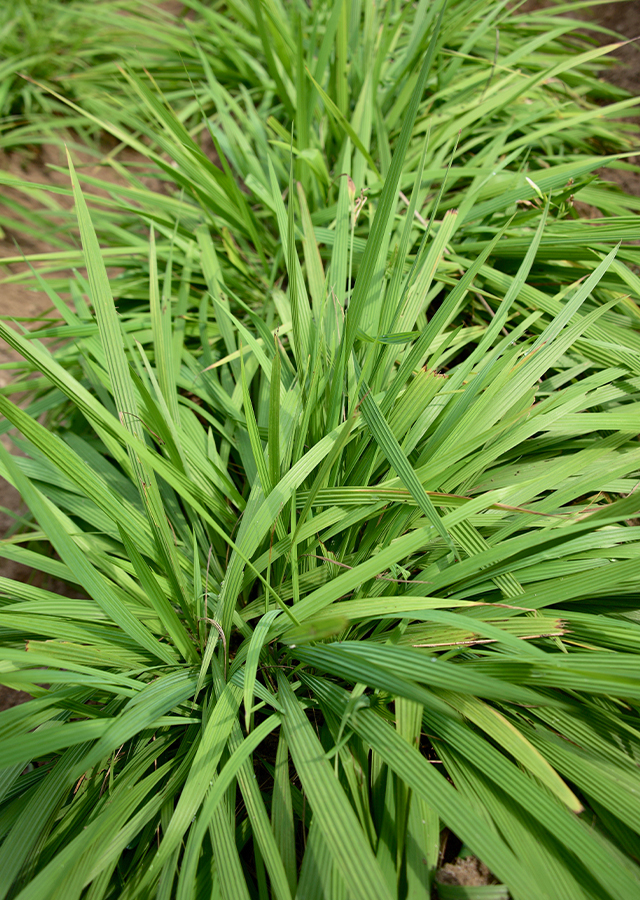
- Leaves ribbon-shaped, with pointed tip and base, evenly green. There are two leaf types: a perfect ribbon-shaped leaf with a pointed tip, and a stem-like leaf; leaves are arranged in pairs in a double-pinnate composition.
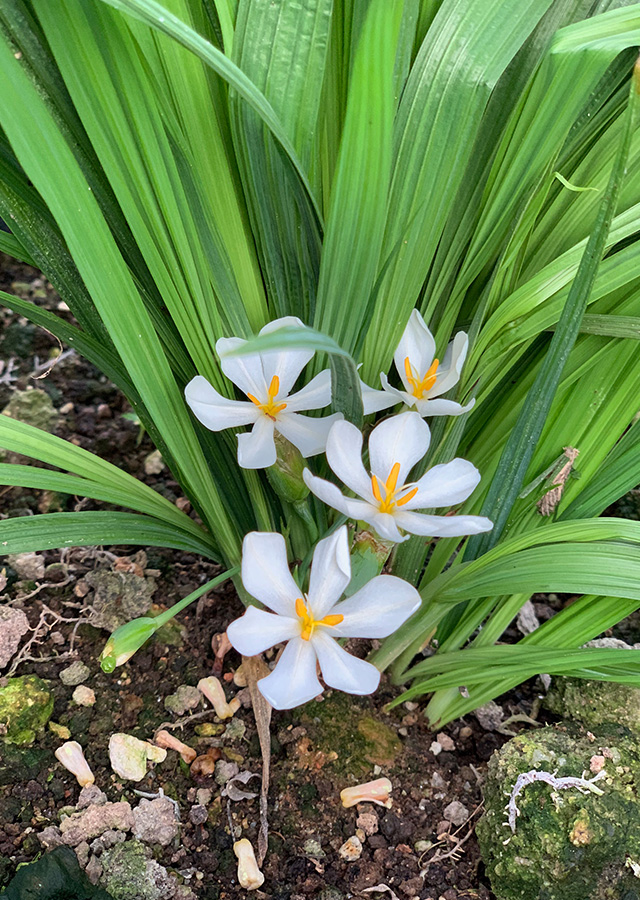
- Flowers solitary, white, found in the upper leaf axils, in clusters of 4 flowers. Flowers bloom in the late afternoon between 5-7 p.m.
- Fruit oval-shaped with a notched tip. When ripe, it splits into 3 chambers containing many seeds.
- Seeds egg-shaped to nearly square. Dark brown.
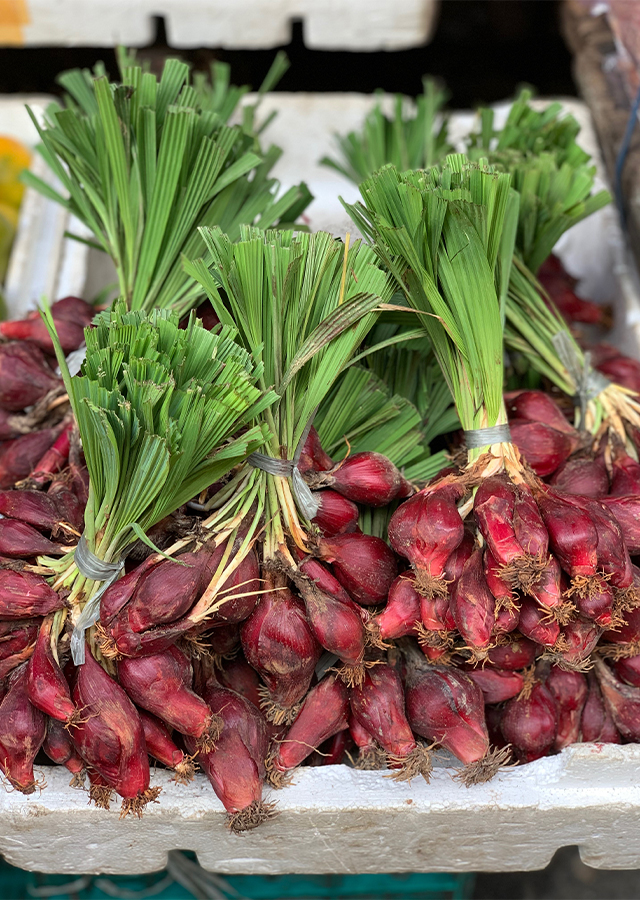
- Bulb elongated oval, red, and odorless.
Cultivation
Propagated using bulbs. The bulbs can be planted directly into the soil.
Chemical Content
Isoquinoline alkaloids, flavonoids, tannins, saponins, triterpenoids, steroids, glycosides (eleutherinone, eleuthone), phenolic compounds.
Benefits
Treats uterine fibroids, kidney stones, rectal inflammation, hypertension, diabetes mellitus, sinusitis, gout, tuberculosis, jaundice; relieves constipation; reduces blood fat; helps prevent cancer, tumors, and bleeding; used as a bathing preparation for newborns with jaundice; has antifungal and antibacterial activity.
Simplisia
- Wash the Dayak onion bulbs, trim off the roots and leaves, then slice to a thickness of 1-2 mm.
- Dry in an oven at 50 °C for 8 hours, then let cool.
- Pack in plastic and vacuum seal.
Local Names
Bawang kapal (Sumatra), Brambang sabrang, Bawang siyem, Lulupan sapi, Teki sabrang (Java), Bawang hantu, Bawang makkah (Kalimantan).
Traditional Recipes
The following recipes reflect traditional knowledge passed down through generations, not a substitute for professional medical diagnosis or advice. Consult a healthcare provider before use.
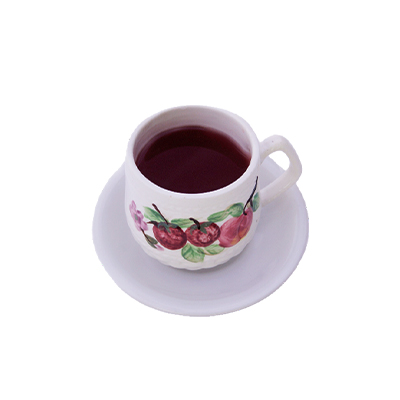
1. Reducing Blood Fat
- 50 g fresh bulb, ½ cup boiled water.
- Slice the bulb, then crush and squeeze out the juice. Strain and add ½ cup hot water.
- Drink ¼ cup, morning and evening.
- Can also be eaten raw, 7-10 cloves, 3 times a day. Eating it with banana can reduce the bulb's odor.
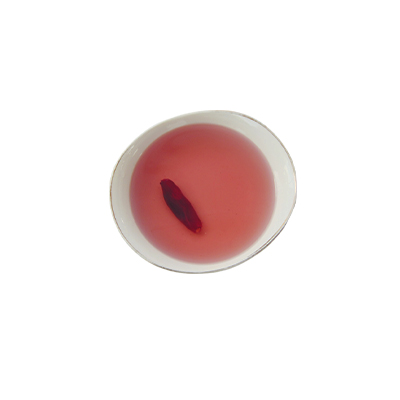
2. Bathing Preparation for Newborns with Jaundice
- Boil 1 Dayak onion bulb in 200 ml water until boiling.
- Use as bathwater for a jaundiced baby.
Reference Sources
- Fern, Ken. (2019). Useful Tropical Plants. Eleutherine bulbosa. http://tropical.theferns.info/viewtropical.php?id=Eleutherine+bulbosa 06-12-2020
- Globinmed. (No date). Eleutherine bulbosa (Mill.) Urb. https://www.globinmed.com/index.php?option=com_content&view=article&id= 106238:eleutherine-bulbosa-mill-urb&catid=286&Itemid=357. 06-12-2020
- R. Prameela et all. (2018). Eleutherine bulbosa (Mill.) Urb. (Iridaceae): A new distributional record to the flora of Eastern Ghats, India. https://www.tropicalplantresearch.com/archives/2018/vol5issue3/38.pdf 06-12-2020.
- Alves TMA, Kloos H, Zani CL. 2003. Eleutherinone, a novel fungitoxic naphthoquinone from Eleutherine bulbosa (Iridaceae). Mem. Inst. Oswaldo Cruz 98(5): 709-712.
- Aslamiah S. 2016. Ujicoba Hidroponik Tanaman Kencur Dan Bawang Dayak. J. Ilm. Pert. Kehut. 3(1): 46-53.
- Sujogya LP, Panda K. 2015. Antibacterial activity of Eleutherine bulbosa against multidrug-resistant bacteria. J. Acute Med. 5(3): 53-61.
- Badan Pengawas Obat dan Makanan RI. 2011. Acuan sediaan herbal 6(1). Jakarta.
- Hidayat Syamsul, M Rodame. 2015. Kitab tumbuhan obat. Agriflo, Jakarta.