Eryngium foetidum L.
Summary
Walangi (Eryngium foetidum) is a biennial herb up to 80 cm tall of the Apiaceae family, a plant native to Central America now widely distributed as far as Asia. Its sharply aromatic leaves are a distinctive seasoning in various dishes such as soups, sauces, and seafood, and also show potential as a natural biopesticide. Traditionally, walangi is also believed to relieve fever, tonsillitis, and hypertension.
Agroecology
Walangi can be found in plantations, grasslands, roadsides and forests at elevations of 700-1,200 m above sea level. Grows well in well-drained, fertile soil conditions with full sunlight.
Morphology
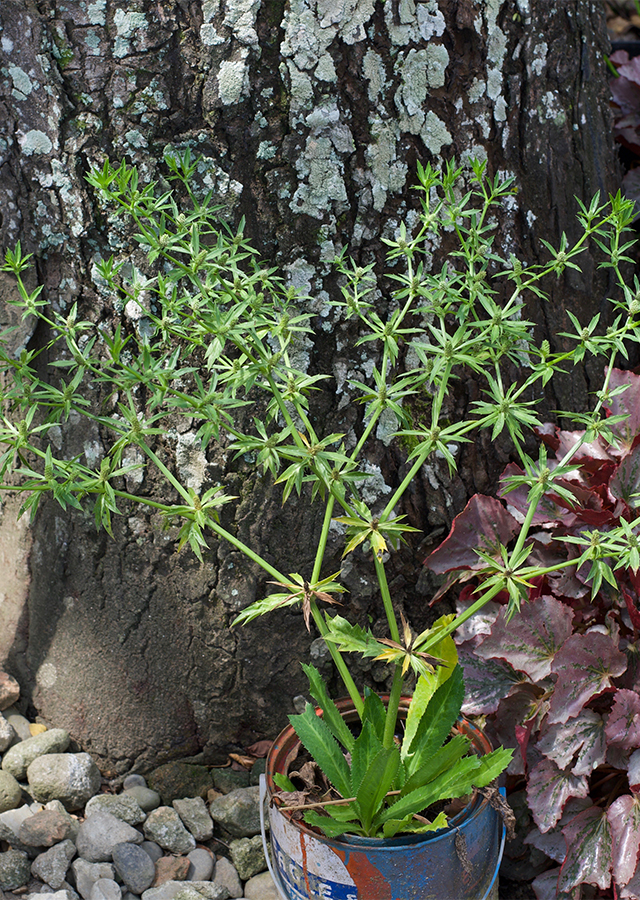
- Stem upright, dichotomous branching, flat, striped, pale green to dark green in color.
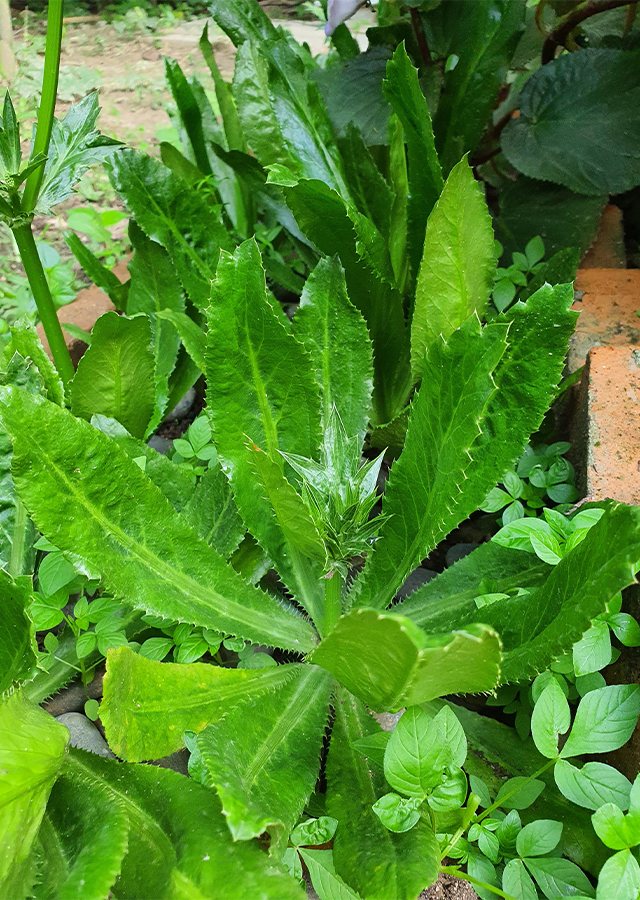
- Leaves lance-egg shaped, inverted to elongated. Sized 5-32 x 1-4 cm, serrated and thorny edges.
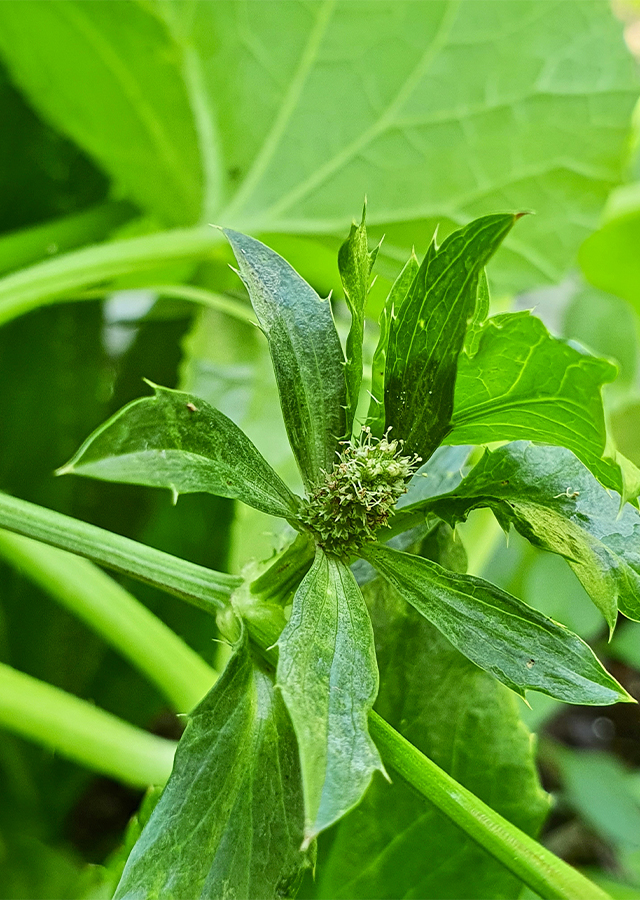
- Flowers head-shaped with spikelets forming an inflorescence. Terminal inflorescence, greenish-white petals.
- Fruit ellipsoid.
- Seeds ovoid-obovoid shaped.
Cultivation
- Propagated generatively (by seed) and vegetatively (stem cuttings).
- Before planting in the field, seeds should be sown first.
- Harvest time is 10 weeks after planting.
Chemical Content
Glycosides, flavonoids, terpenoids, steroids, tannins, phenolics, carotenoids, essential oils (dodecenal, 13-tetradecenal), sesquiterpene.
Benefits
Treats acute infections, epilepsy, fever, throat infections, pneumonia, tonsillitis, asthma, diarrhea, hypertension, chickenpox, rheumatism, antimalarial, bleeding, measles.
Simplisia
Information not yet available.
Local Names
Walangan (Jakarta), Ketumbar jawa (Sumatra), Tumbarmungsi (Java).
Traditional Recipes
The following recipes reflect traditional knowledge passed down through generations, not a substitute for professional medical diagnosis or advice. Consult a healthcare provider before use.
1. Rheumatism
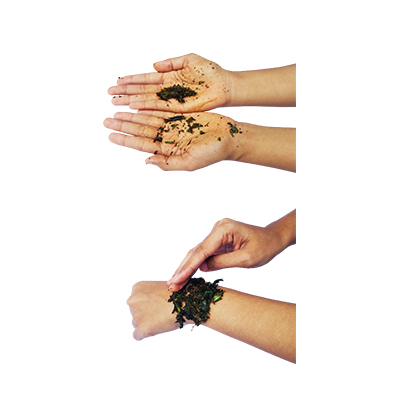
- Prepare 3-4 mature walangi leaves.
- Mash with both hands.
- Apply or rub on the affected area once a day routinely until healed.
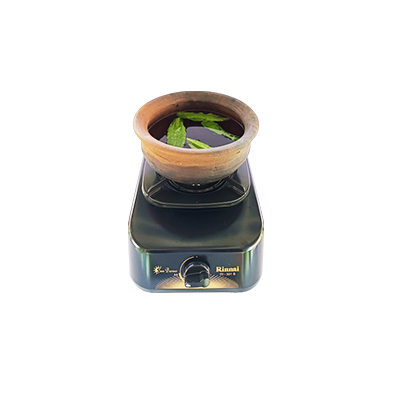
2. Chickenpox and Measles
- Take an adequate amount of the whole walangi plant.
- Wash thoroughly.
- Boil with an adequate amount of water for bathing.
- Cool until lukewarm then use for bathing.
Reference Sources
- Tropical Plants Database, Ken Fern. tropical.theferns.info. Eryngium foetidu. http://tropical.theferns.info/viewtropical.php?id=Eryngium+foetidu 26-01-2021
- Kateno. 2020. Rheumatik dan Sakit Jantung. Kebun Seunagan. Aceh.
- Healthbenefitstimes. Health benefits of Culantro https://www.healthbenefitstimes.com/culantro/ 31-08-2020