Euphorbia thymifolia L.
Summary
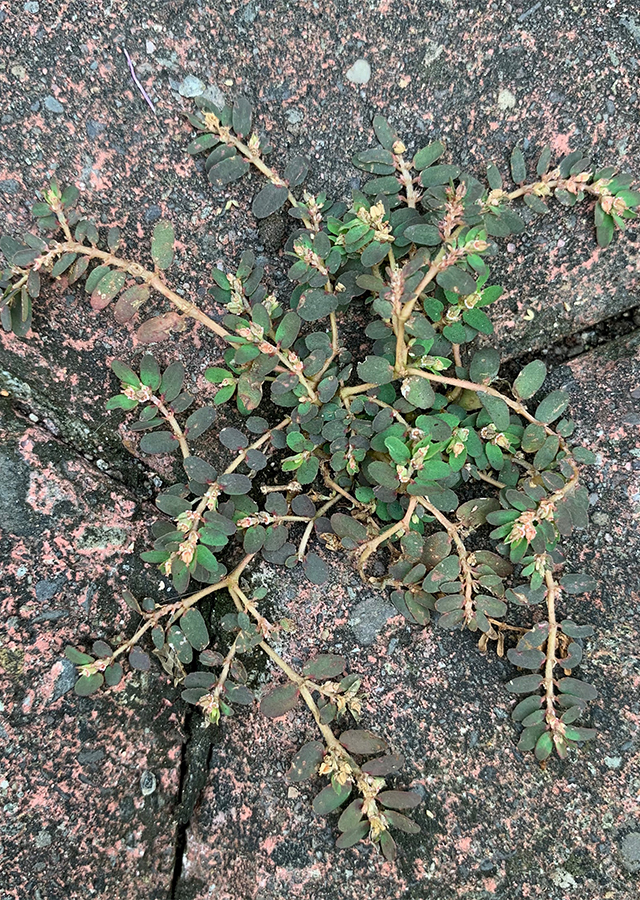
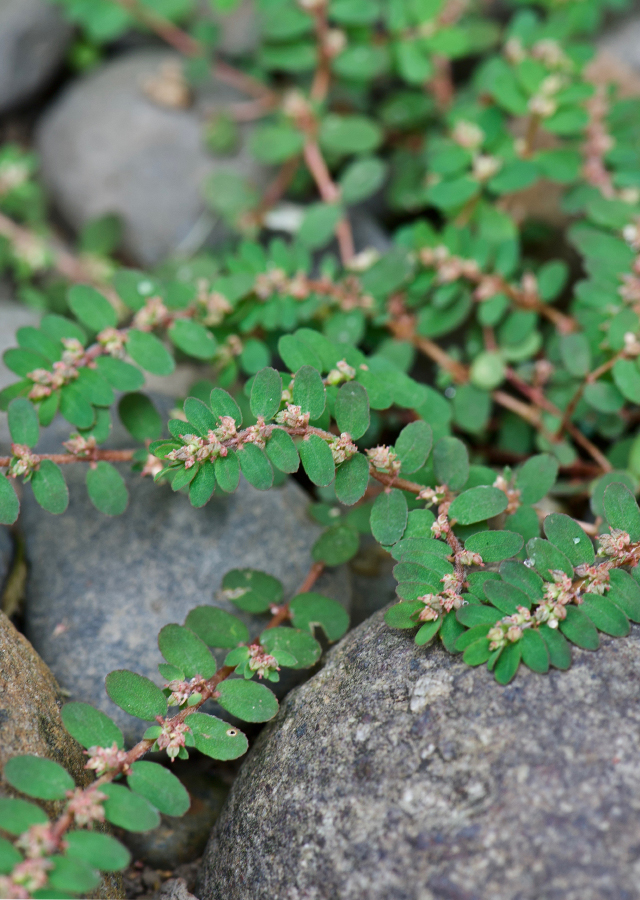
Patikan cina (Euphorbia thymifolia) is an annual creeping herb up to 25 cm long of the Euphorbiaceae family, originating from tropical America and now widely distributed in various tropical countries. Its sap contains latex that can irritate skin and eyes so it should be handled with care, though its essential oil is effective at repelling flies and mosquitoes. For a long time, patikan cina has been known by rural communities as a fairly effective remedy for dysentery and diarrhea.
Agroecology
Patikan cina is commonly found growing in various places up to elevations of 1,400 m above sea level. Often found as a weed in agricultural land, sandy and gravelly soil, among grass in yards, around fields, and roadsides in somewhat moist places.
Morphology
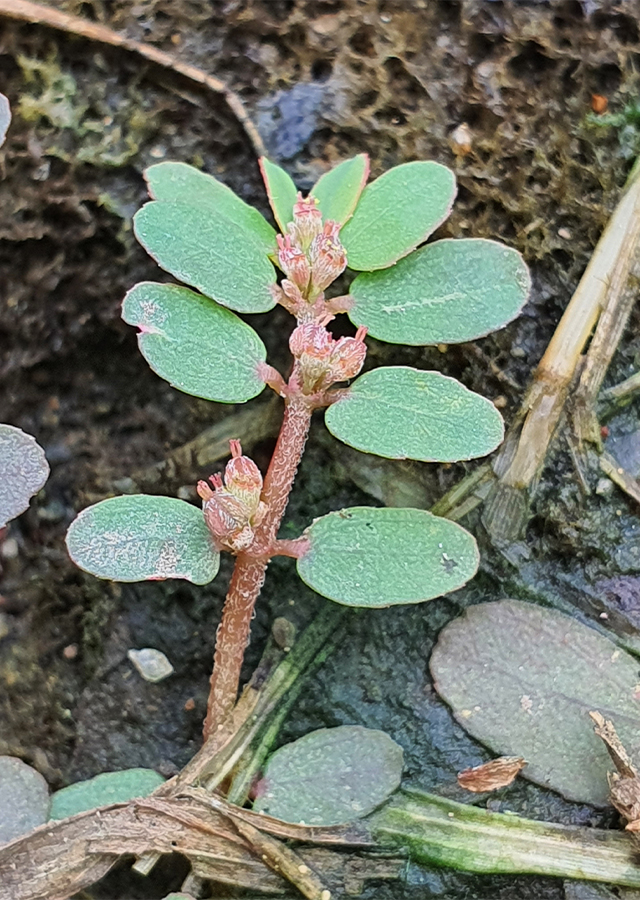
- Stem somewhat reddish in color, hairy, usually produces many adventitious roots, produces sap when broken.
- Leaves egg-shaped, reddish in color, and opposite.
- Flowers pink in color.
Cultivation
- Propagated generatively (by seed).
- Natural pollination assisted by insects, has a short life cycle of 3-4 months.
- Fruits and flowers year-round in tropical areas.
Chemical Content
Phenols, flavonoids, saponins, triterpenes, glycosides, myricyl alcohol, taraxerol, tirucallol, kamzinol, hentriacontane, cosmosin.
Benefits
Anti-inflammatory, antispasmodic, antifungal, antibacterial, antimicrobial, antihelminthic, treats dysentery, intestinal inflammation, diarrhea, influenza, fever, headache, hypertension, sprains, breast abscesses.
Simplisia
Information not yet available.
Local Names
Gelang pasir, Krokot cina, (Java), Ki mules, Nanangkaan gede, Useup nana (Java), Jalu-jalu tona (Maluku).
Traditional Recipes
The following recipes reflect traditional knowledge passed down through generations, not a substitute for professional medical diagnosis or advice. Consult a healthcare provider before use.
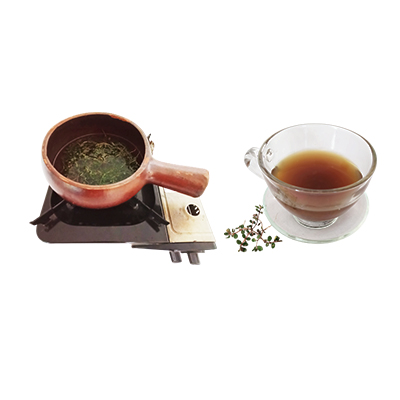
1. Dysentery
- Boil 15-30 g patikan cina with 2 glasses of water until it boils.
- Divide into 2 portions.
- Drink twice a day.
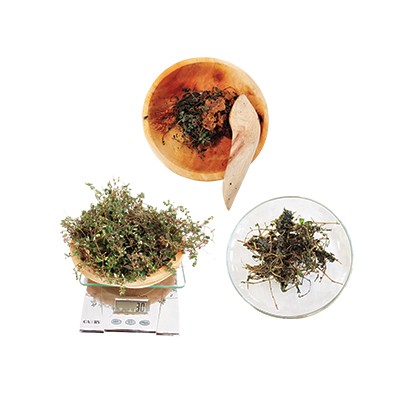
2. Breast Abscess/Boil
- Mash fresh patikan cina,
- add palm sugar to taste,
- apply to the swollen area.
Reference Sources
- Muthumani D, Hedina A, Kausar J, Anand V, Pushpa. 2016. Phytopharmacological activities of Euphorbia thymifolia Linn. Systematic Reviews in Pharmacy 7(1):30-34
- Sisodiya D, Shrivastava P. 2017. Qualitative and quantitative estimation of bioactive compounds of Euphorbia thymifolia L. AJPER 6(3): 34-43.
- Mali PY, Panchal SS. 2013. A review on phyto-pharmacological potentials of Euphorbia thymifolia L. Anc Sci Life 32(3): 165–172.
- Tropical Plants Database, Ken Fern. tropical.theferns.info. Euphorbia thymifolia. http://tropical.theferns.info/viewtropical.php?id=Euphorbia+thymifolia14-05-2020
- Widyaningrum Herlina. 2019. Kitab Tanaman Obat Nusantara. Media Pressindo, Jakarta.
- Tropical Plants Database, Ken Fern. tropical.theferns.info. Areca catechu. http://tropical.theferns.info/viewtropical.php?id=Areca+catechu 20-01-2021
- Euphorbia thymifolia (PROTA) https://uses.plantnet-project.org/en/ Euphorbia thymifolia_(PROTA)