Ficus carica L.
Summary
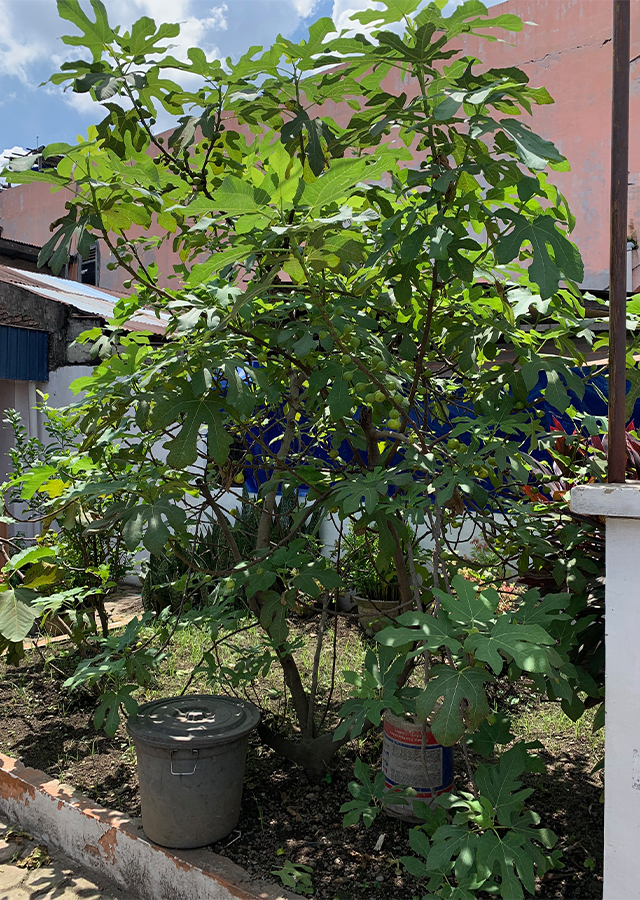
The fig (Ficus carica) is a small tree or shrub up to 4 meters tall of the Moraceae family, originating from West Asia, stretching from the Balkan coast to Afghanistan. In ancient Greek times, the best quality figs were even banned from export because they were so valuable as a dietary fruit. Traditionally, figs are also believed to lower cholesterol and strengthen bones.
Agroecology
In tropical regions, figs can grow at elevations of 800-1,800 m above sea level, temperature 21-27 °C, annual rainfall 500-550 mm/year. Prefers soil conditions with pH ranging from 6.0-6.5 and is ideally planted in loamy, well-drained soil, with 8 hours or more of sunlight per day.
Morphology
- Stem soft, grayish in color.
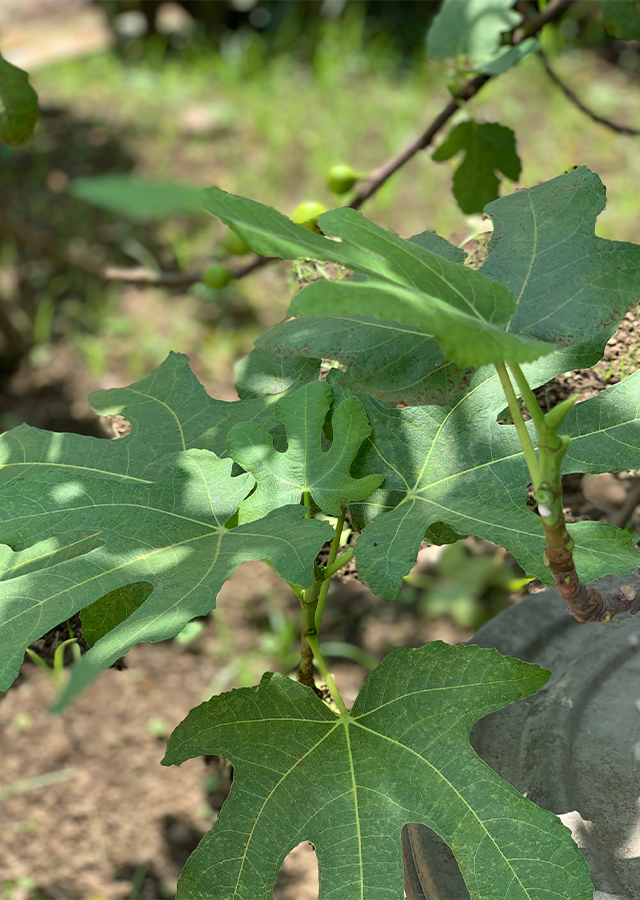
- Leaves bright green, finger-shaped with 3-5 lobes, grow singly, finely hairy on the leaf surface, leaf length 12-25 cm width 10-18 cm.
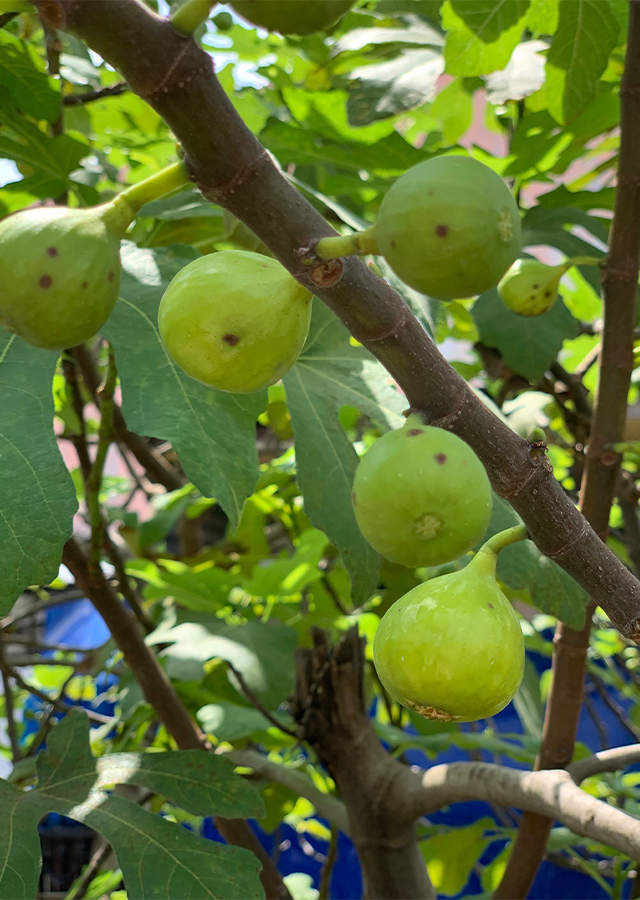
- Flowers protected by a closed receptacle base so they appear like a fruit.
- Fruit green, some cultivars turn purple when ripe.
- Seeds small, numerous, and fibrous.
Cultivation
Propagated generatively (by seed) and vegetatively (stem cuttings, air-layering).
Chemical Content
Flavonoids, tannins, steroids, alkaloids, benzaldehyde, coumarins, polyphenol, ficin (cysteine proteinase for anticancer), phenolics, phytosterol, anthocyanin, volatile.
Benefits
Lowers cholesterol levels, strengthens bones, controls body weight, eases the effects of diabetes, reduces the risk of breast cancer, osteoporosis, prevents anemia, cures hemorrhoids, worm infections, addresses swollen gums or toothache, has hepatoprotective and antioxidant activity, used as a face mask, for stings and insect bites.
Simplisia
Information not yet available.
Local Names
Buah tin.
Traditional Recipes
The following recipes reflect traditional knowledge passed down through generations, not a substitute for professional medical diagnosis or advice. Consult a healthcare provider before use.
1. Worm Infections
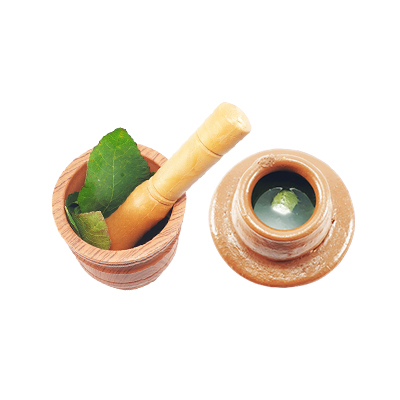
- Take 4-5 fresh fig leaves, wash thoroughly, pound then steep with 2-3 glasses of boiling water.
- Drink the concoction 2-3 times a day, 1 glass each time.
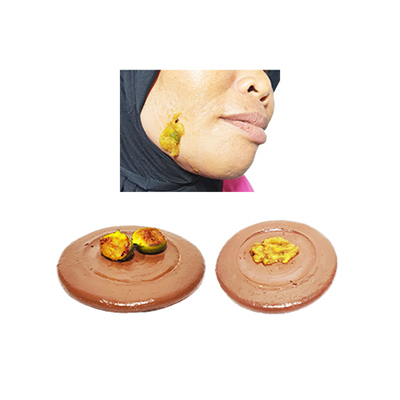
2. Swollen Gums or Toothache
- Prepare figs.
- Clean the fruit then cut in half. Roast the fruit. Pound until fine.
- Apply to the outer cheek at the affected area
Reference Sources
- CABI. (2015). Invasive Species Compendium. Ficus carica(common fig). https://www.cabi.org/isc/datasheet/24078. 16.01.2021
- Cevallier, Andrew, (2016). The developmenT of herbal medicine. US. p211. 16.01.2021
- Lim, T.K., (2012). Edible Medicinal and Non-Medicinal Plants Volume 3, Fruits. New York. p362
- Shukranul Mawa,1 Khairana Husain,1 and Ibrahim Jantan1. (2013). Ficus carica L. (Moraceae): Phytochemistry, Traditional Uses and Biological Activities. Volume 2013 |Article ID 974256 | https://doi.org/10.1155/2013/974256. 16-01-2021
- Taylor & Francis Online. (2014) Traditional uses, phytochemistry and pharmacology of Ficus carica: A review. https://www.tandfonline.com/doi/full/10.3109/13880209.2014.892515. 16-01-2021
- Akhfiya M. 2018. Kadar kolesterol total wanita menopause hiperkolesterolemia sesudah pemberian teh buah tin. Repositori Universitas Muhammadiyah Semarang.
- Gond NY, Khadabadi SS. 2008. Hepatoprotective activity of Ficus carica leaf extract on rifampicin-induced hepatic damage in rats. Indian J Pharm Sci. 70(3): 364–366.
- Hashemi SA, Abediankenari S, Ghasemi M, Azadbakht M, Yousefzadeh Y, Dehpour AA. 2011. The Effect of Fig Tree Latex (Ficus carica) on Stomach Cancer Line. Iran Red Crescent Med J. 13(4): 272–275.
- Dinas pertanian Magelang. Mengenal Tanaman Buah Tin. https://pertanian.magelangkota.go.id/informasi/artikel-pertanian/112-buah-tin.
- Refli R. 2012. Potensi ekstrak daun tin (Ficus carica L.) sebagai antioksidan dan aktifitas hambatannya terhadap proliferasi sel kanker HeLa. Departemen Kimia, Institut Pertanian Bogor.
- Hariana Arief. 2015. Kitab Resep Herbal. Penebar Swadaya
- Tropical Plants Database, Ken Fern. tropical.theferns.info. Ficus carica http://tropical.theferns.info/viewtropical.php?id=Ficus+carica 18-07-2020
- Hindawi. Com. Ficus carica L. (Moraceae): Phytochemistry, Traditional Uses and Biological Activities. https://www.hindawi.com/journals/ecam/2013/974256/ 11-01-2021