Ficus hispida L.f.
Summary
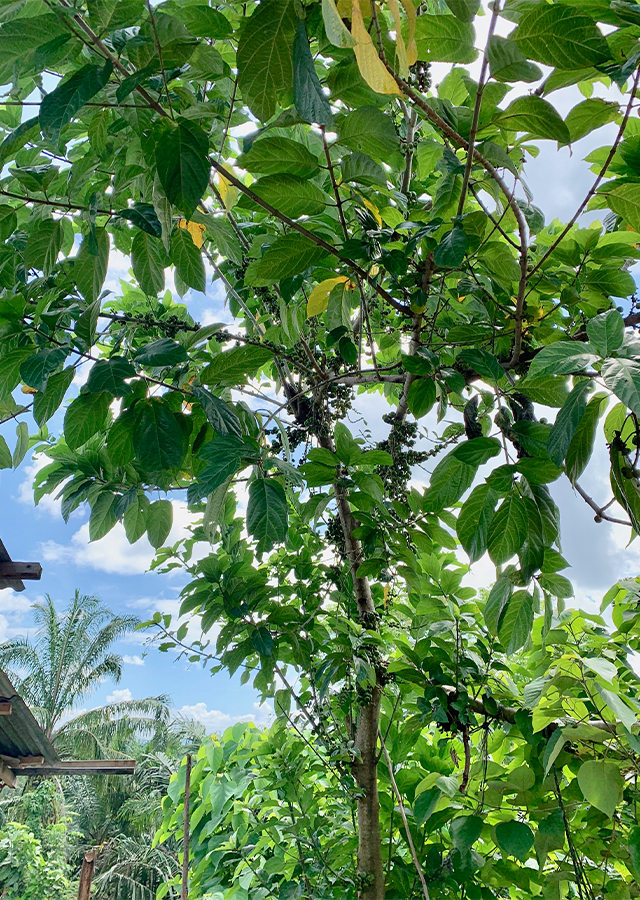
Luwingan (Ficus hispida) is a tree up to 15 meters tall of the Moraceae family, widely distributed across tropical Asia, from China and India to Papua New Guinea and Australia. In India, this plant is specifically used as an antidiarrheal and liver-protective agent in traditional medicine. Other parts of this plant are also believed to relieve fever, boils, and jaundice.
Agroecology
This plant is commonly found in open areas. Favors locations with direct sunlight, riverbanks, and secondary forest. Grows in regions at elevations up to 1,200 m above sea level.
Morphology
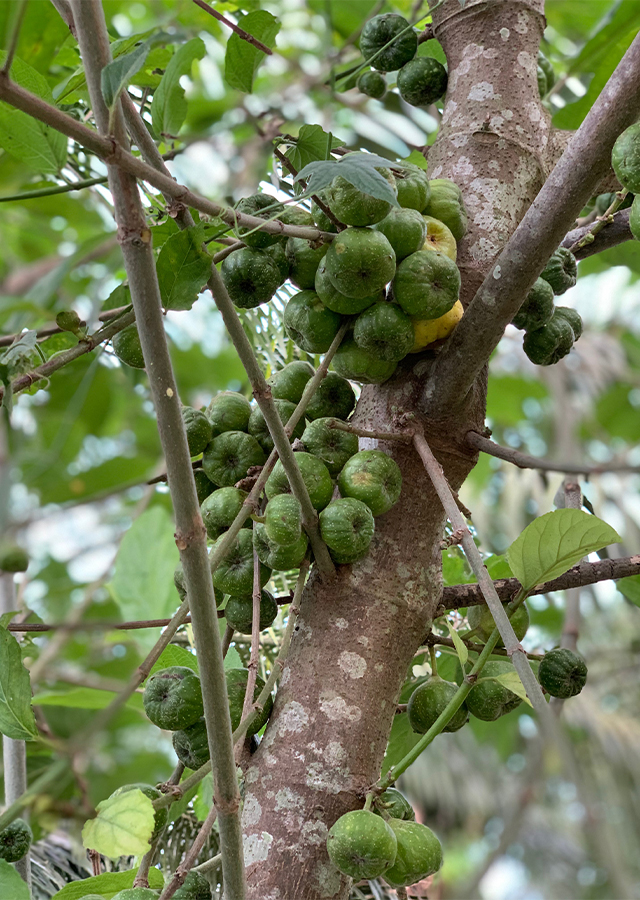
- Trunk smooth bark, brown to gray, latex-bearing, heavily branched.
- Leaves thin, pointed tip, flat base, toothed margins, rough hairy surface, brown.
- Flowers sessile/stipitate, compound, dioecious.
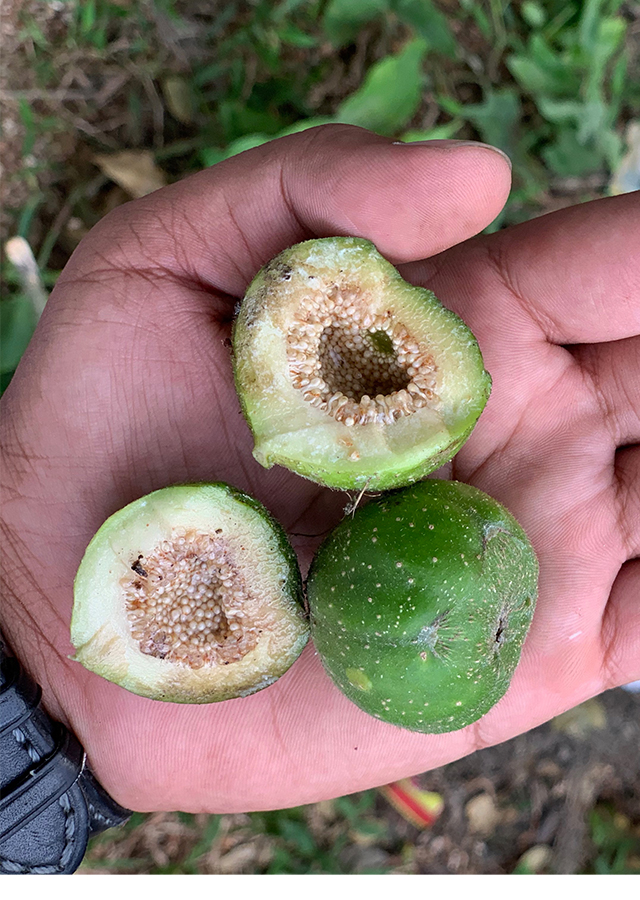
- Fruit round, clustered (10-20 fruits per bunch).
- Seeds small, flat-oval shaped, numerous, green when young and yellowish-brown when ripe.
Cultivation
- This plant can be propagated generatively (by seed) or vegetatively (by air layering and shoot cuttings).
- Shoot cuttings come from lateral branches, 4-12 cm long.
Chemical Content
Alkaloids, terpenoids, tannins, phenols, saponins, anthraquinones, glycosides, sterols, amino acids, and flavonoids.
Benefits
Treats fever, boils, psoriasis, lymphadenitis (swollen lymph nodes), hemorrhoids, jaundice, vertigo, diabetes, seizures, dysentery; acts as a laxative; hepatoprotective, antineoplastic, cardioprotective, neuroprotective, and anti-inflammatory.
Simplisia
- Prepare luwingan fruit, wash thoroughly under running water.
- Slice the luwingan fruit and sun-dry until completely dry, or until the moisture content is below 10%.
- Grind into a powder.
- Store in a clean, airtight container.
Local Names
Mongmong (Sumatra), Bisoro (Sunda), Luwing (Java), Ara luwing.
Traditional Recipes
The following recipes reflect traditional knowledge passed down through generations, not a substitute for professional medical diagnosis or advice. Consult a healthcare provider before use.
1. Relieving Fever
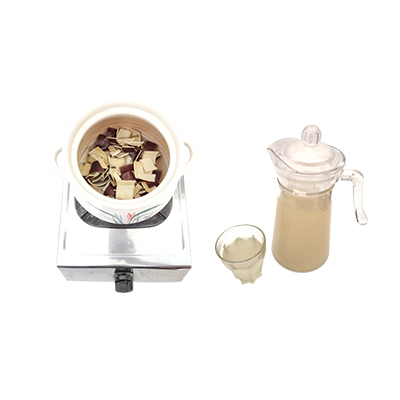
- A sufficient amount of luwingan bark.
- Boil the material until boiling.
- Drink 40–50 ml of the mixture per day.
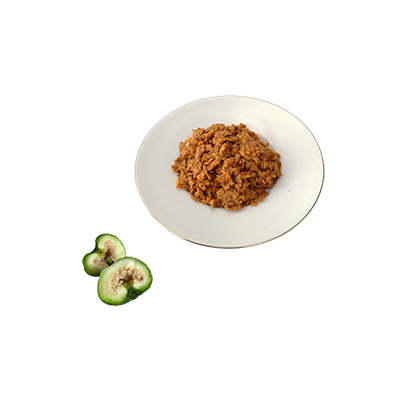
2. Lymphadenitis (Swollen Lymph Nodes)
- Prepare a sufficient amount of luwingan fruit.
- Wash thoroughly under running water.
- Mash the fruit into a paste and apply to the lump.
Reference Sources
- Australian Tropical Rainforest Plants. (No date). Ficus hispida. http://www.canbr.gov.au/cpbr/cd-keys/RFK7/key/RFK7/Media/Html/entities/Ficus_hispida.htm 29-08-2020
- Globinmed. (No date). Ficus hispida. https://www.globinmed.com/index.php?option=com_content&view=article&id=104415:ficus-hispida&catid=199&Itemid=139 29-08-2020
- Mohammad Ali and Nisha Chaudhary. (2011). Ficus hispida Linn.: A review of its pharmacognostic and ethnomedicinal properties. Journal List Pharmacognosy Review.v5(9). pp.96–102. doi: 10.4103/0973-7847.79104. http://www.phcogrev.com/article/2011/5/9/1041030973-784779104 29-08-2020
- Tropical Plants Database, Ken Fern. tropical.theferns.info. Ficus hispida. http://tropical.theferns.info/viewtropical.php?id=Ficus+hispida 21-01-2021
- Prashanth BK. 2020. Ficus hispida – Kakodumbara Uses , Research, Remedies, Side Effects (Meredakan Demam). https://www.easyayurveda.com/2017/05/23/ficus-hispida-kakodumbara/ 15-09-2020
- Herbs.indianmedicinalplants. Ficus hispida kakodumbarika medicinal uses adverse effects research pharmacology. https://herbs.indianmedicinalplants.info/index.php/medicinal-plants-pictures-a-details/96-f/1378-ficus-hispida-kakodumbarika-medicinal-uses-adverse-effects-research-pharmacology 15-09-2020