Flueggea virosa (Roxb. ex Willd. ) Royle
Summary
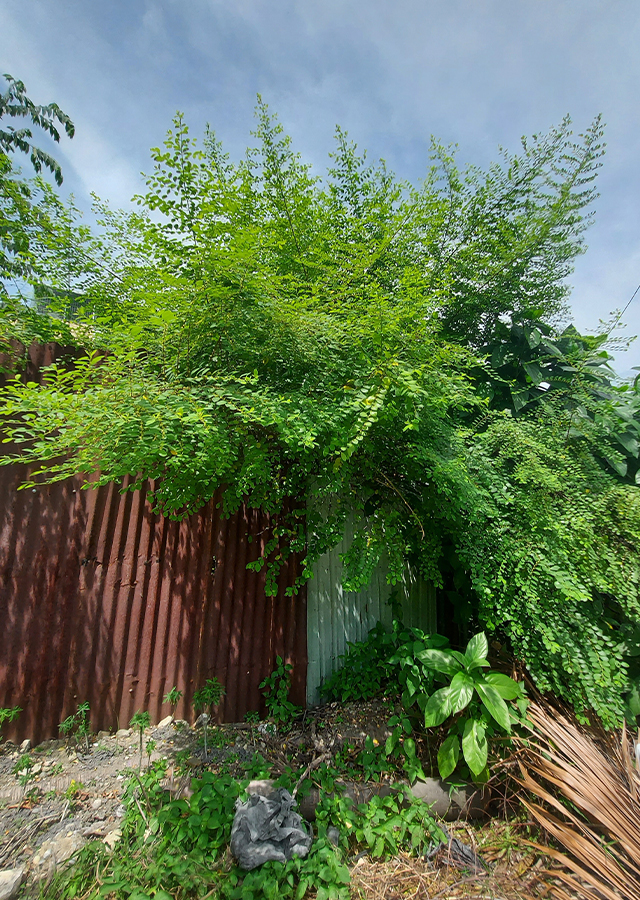
Kimerah (Flueggea virosa) is a shrub up to 4 meters tall of the Phyllanthaceae family, distributed evenly from West Africa to Australia, found throughout Indonesia. Its sweet fruit is edible, while its bark and leaves produce a black dye for palm fiber. Kimerah is traditionally believed to treat snake bites, rheumatism, and lactation problems.
Agroecology
Grows in lowlands up to elevations of 1,000 m above sea level and can even live at elevations of 2,300 m above sea level. Generally found in dry areas such as savannas, roadsides to swamps. Able to adapt to rocky as well as sandy soil.
Morphology
- Stem cylindrical, has many branches, bark reddish-brown to brown in color.
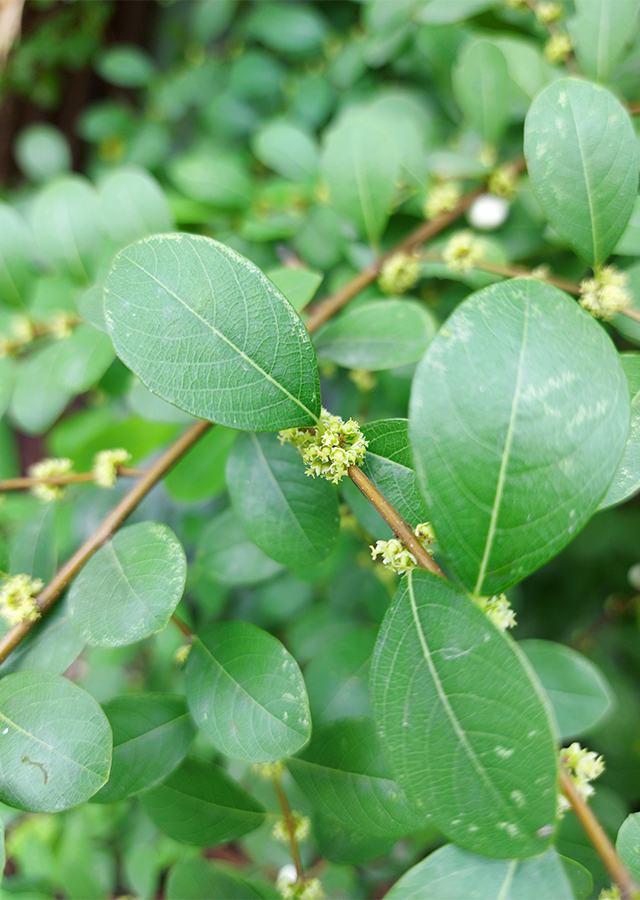
- Leaves alternately arranged, green on top and grayish underneath, oblong, about 5-9 cm long and 0.6-5.6 cm wide.
- Flowers unisexual, compound, emerging in leaf axils, pale yellowish-green corolla.
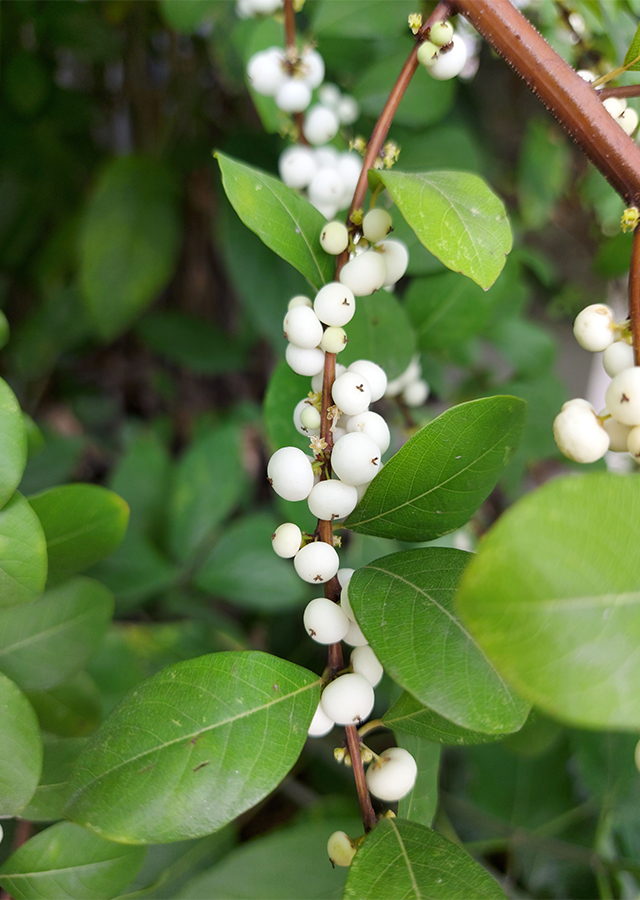
- Fruit white when ripe, round-shaped with a diameter of 9.75 mm, sweet taste
- Seeds have a smooth and glossy surface.
Cultivation
- Propagated generatively, namely by planting its seed.
- Seeds are dried first and planted less than 1 month from the start of drying.
Chemical Content
Bergenin, virosecurinine, viroallosecurinine, virosine, phyllanthidine, kaempferol, quercetin, gallic acid, daucosterol, sitosterol, flavonoid, saponin, tannin, terpenoid, polyterpene, alkaloid, cardenolide.
Benefits
Treats snake bites, syphilis, gonorrhea, rheumatism, liver, headache, back pain, wounds, boils, skin rash, itching, epilepsy, malaria, dysentery, constipation, pneumonia, fever, malaria, addresses infertility, and lactation problems.
Simplisia
- Wash the root thoroughly with running water.
- Cut the root into small pieces, dry in the shade until completely dry.
- Grind the dried root into powder.
- Store in a closed, airtight container.
Local Names
Nasi-nasi, Sigar jalak.
Traditional Recipes
The following recipes reflect traditional knowledge passed down through generations, not a substitute for professional medical diagnosis or advice. Consult a healthcare provider before use.
1. Rheumatism
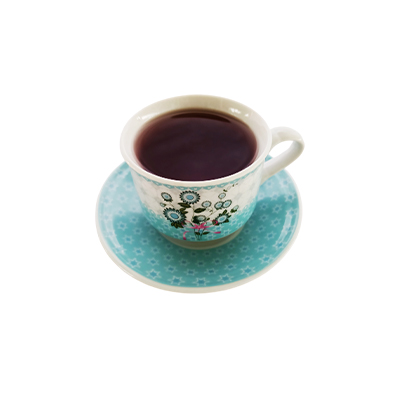
- Prepare 1 tbsp kimerah root simplisia and 200 ml water.
- Boil all ingredients.
- Drink while warm.
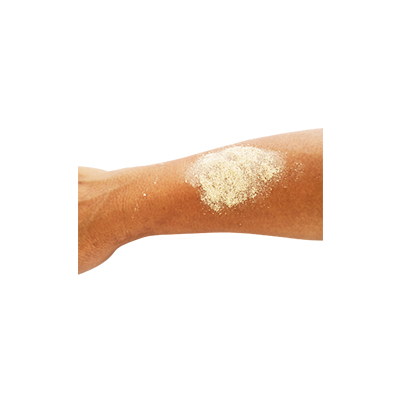
2. Wounds and snake bites
- Clean the wound.
- Take root powder then apply to the wound or snake bite mark.
Reference Sources
- Tropical Plants Database, Ken Fern. tropical.theferns.info. Flueggea virosa http://tropical.theferns.info/viewtropical.php?id=Flueggea+virosa 29-01-2021
- PlantUse. Flueggea virosa (PROTA). https://uses.plantnet-project.org/en/Flueggea_virosa_(PROTA) 29-01-2021
- Ethnobiomed.biomedcentral.com. Journal of Ethnobiology and Ethnomedicine. https://ethnobiomed.biomedcentral.com/articles/10.1186/1746-4269-9-31/tables/1 29-01-2021