Galinsoga parviflora Cav.
Summary
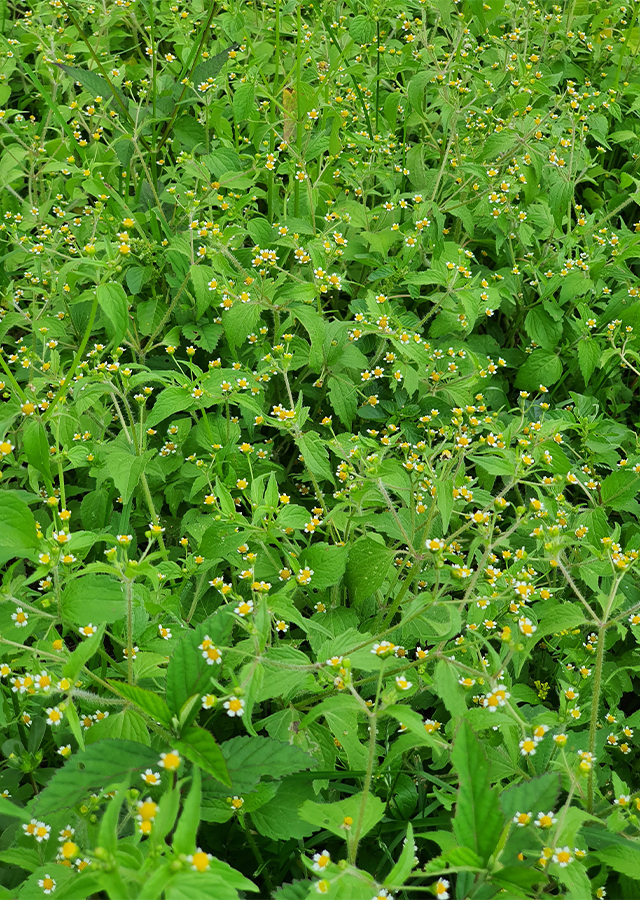
Loseh (Galinsoga parviflora) is an annual herb up to 20-80 cm tall of the Asteraceae family, native to the mountains of Central America, now a common weed in wheat and tobacco plantations. Its dried plant is used as a soup seasoning, while its leaves can be eaten as a vegetable. Loseh is traditionally believed to relieve insect bites, cough, and fever.
Agroecology
Grows up to elevations of more than 1,900 m above sea level, prefers moist soil exposed to light. Commonly found along riverbanks, forests, and roadsides. Average annual rainfall 500-1,500 mm.
Morphology
- Root a taproot and white in color.
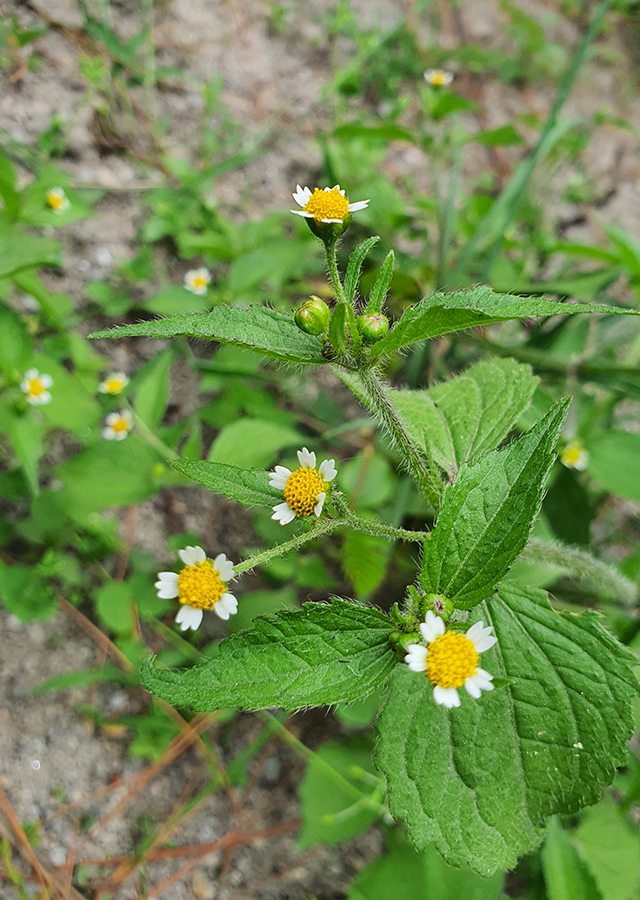
- Stem upright, branched, has fine hair.
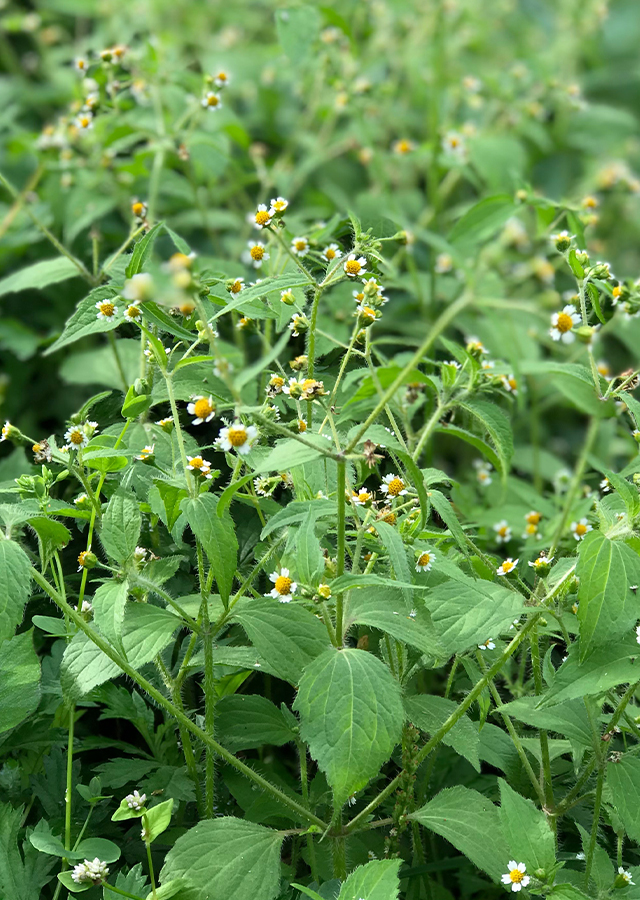
- Leaves single, arranged opposite each other, ovate-shaped with a tapering tip, serrated edges, 3-5.5 cm long, and 1.5-3.5 cm wide.
- Flowers compound, each capitulum consisting of two types of flowers (white flowers at the edge and yellow tubular flowers in the center). Resting on a long axillary stalk. Appears at the stem tip.
- Fruit flat, brown or black in color, containing only 1 seed inside.
- Seeds oval three-sided shape and finely hairy.
Cultivation
Propagated generatively, namely by planting its seed.
Chemical Content
Flavonoid (patulitrin, quercimeritrin, quercitagetrin), diterpenoid, caffeic acid, steroid, phenolic, saponin, polyphenol, caffeoyl, aromatic ester.
Benefits
Treats insect bite marks, itchy skin, blistered skin, cough, fever, flu, antiscorbutic, stops bleeding, relieves toothache, diuretic, antibacterial, antioxidant.
Simplisia
- Prepare loseh leaves and flowers as needed, wash thoroughly with running water and drain.
- Dry in the shade for several days, until evenly dry (leaves and flowers easily crumble when squeezed).
- Once dry, grind the leaves and flowers into powder form.
- Store in a clean, airtight container.
Local Names
Balinggang, Rumput kuning, Balaketut, Joletos, Jukut loseh (Sunda), Bribil, Kuningan, Mondreng, Pakelele (Java).
Traditional Recipes
The following recipes reflect traditional knowledge passed down through generations, not a substitute for professional medical diagnosis or advice. Consult a healthcare provider before use.
1. Diuretic
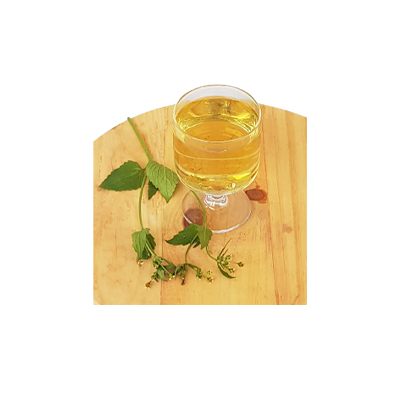
- Prepare 150 g loseh leaves and stem, 1 liter water.
- Boil for 15 minutes.
- Drink after the boiled water cools.
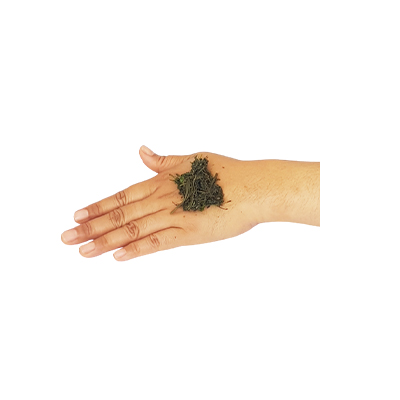
2. Relieving itching from nettle leaves
- Prepare the whole plant.
- Wash thoroughly with running water.
- Pound into a paste.
- Apply to the itchy part of the skin.
Reference Sources
- Ali, S., Zameer, S., & Yaqoob, M. (2017). Ethnobotanical, phytochemical and pharmacological properties of Galinsoga parviflora (Asteraceae): A review. Tropical Journal of Pharmaceutical Research Vol. 16 (12): 3023-3033. https://www.tjpr.org/admin/12389900798187/2017_16_12_29.pdf. 30-01-2021.
- CABI. (2014). Invasive Species Compendium. Galinsoga parviflora(gallant soldier). https://www.cabi.org/isc/datasheet/25299 30-01-2021
- Fern, Ken (2014). Useful Tropical Plants. Galinsoga parviflora. http://tropical.theferns.info/viewtropical.php?id=Galinsoga+parviflora 30-01-2021
- Pl@nt Use. (2004). Galinsoga parviflora (PROTA). https://uses.plantnet-project.org/en/Galinsoga_parviflora_(PROTA) 30-01-2021
- StuartXchange. (2016). Philippine Medicinal Plants. Gallant soldier. http://www.stuartxchange.org/GallantSoldier. 30-01-2021
- Herbisnusantara.com. Peluruh air seni. Herbisnusantara.com 30-10-2020