Gardenia jasminoides J. Ellis
Summary
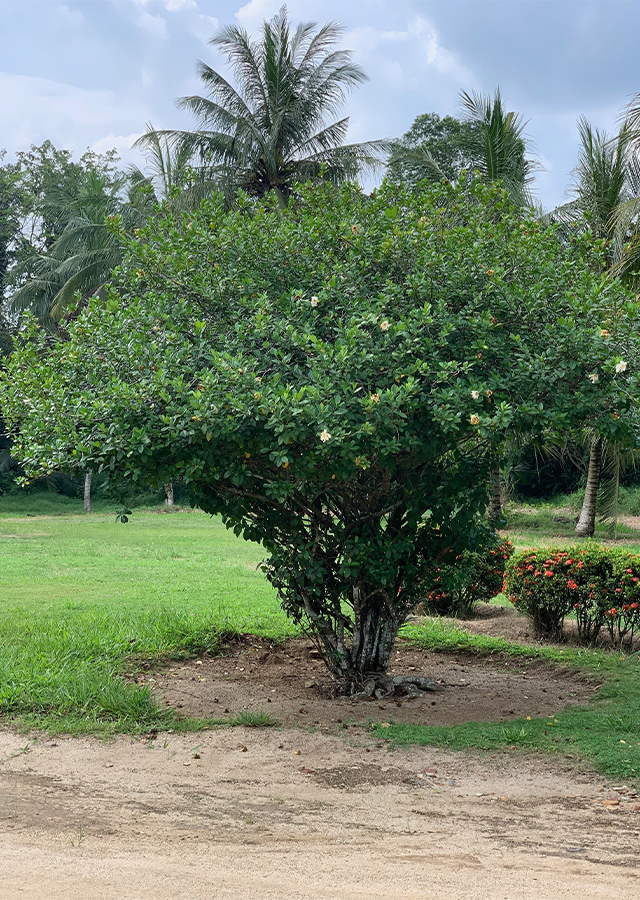
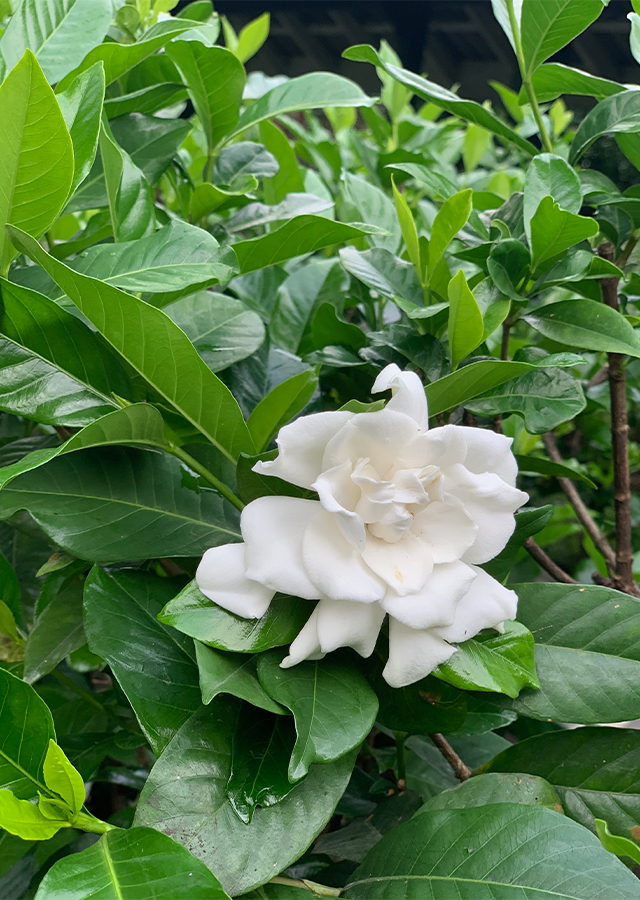
Kacapiring (Gardenia jasminoides) is an upright shrub 1-2 meters tall of the Rubiaceae family, originating from China and Japan, growing wild as far as Vietnam and India. Its distinctively fragrant flowers are used to add scent to tea and perfume, besides being popular as a green yard hedge. Traditionally, the fruit and leaves of kacapiring are believed to relieve fever, liver inflammation, and canker sores.
Agroecology
This plant can be found in mountainous areas at elevations of 400 m above sea level and can fruit optimally at elevations around 900 m above sea level. Prefers acidic soil conditions with pH between 5.0-6.5.
Morphology
- Stem round, woody, branching.
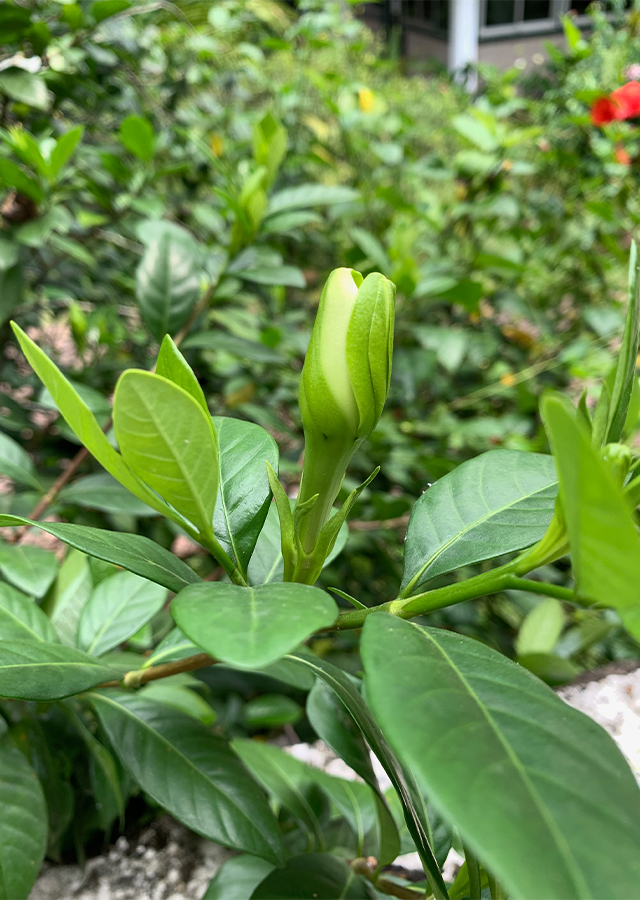
- Leaves waxy layered, positioned opposite or in whorls of three, thick, and smooth, elliptical or inverted egg shape, tapering tip and base, smooth edges, glossy surface, 4.5-13 cm long, 2-5 cm wide, dark green in color.
- Flowers solitary, fragrant, short-stalked, white in color, located at branch tips.
- Fruit egg-shaped, small, thin skin, green turning orange when ripe, many seeds.
Cultivation
- Propagated by stem cuttings and air-layering.
- Place the seedling in a location with good drainage and bright light.
Chemical Content
Saponins, flavonoids, polyphenols, crocetin, crocin, scandoside, tannins, essential oils, imperatorin, geniposide, iridoid, linalool, syringic acid, vanillic acid, kaempferol.
Benefits
Fruit: addresses fever, liver inflammation, inflammation of the bladder mucous membrane, breast inflammation, bloody urine, coughing blood, sore throat, canker sores, toothache, dysentery, swollen and painful eyes. Leaves: addresses fever, shortness of breath, high blood pressure, canker sores.
Simplisia
- Prepare kacapiring bark and roots then wash thoroughly.
- Dry in a drying room until a moisture content of 10% is obtained.
- Once dry, grind with a blender.
- Store the powder in an airtight, sterile container.
Local Names
Raja puteh, Meulu bruek (Aceh), Ceplok piring (Java), Jempiring (Bali).
Traditional Recipes
The following recipes reflect traditional knowledge passed down through generations, not a substitute for professional medical diagnosis or advice. Consult a healthcare provider before use.
1. Cough
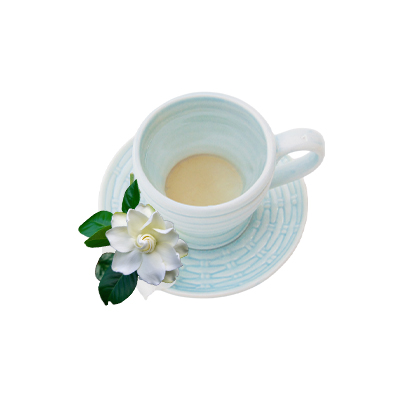
- Wash 3 kacapiring flower blooms thoroughly then boil with 3 glasses of water. Let it sit until the boiled water is reduced by half. Remove, cool and strain.
- Drink the concoction 3 times a day, 1/2 glass each time. Honey can be added each time.
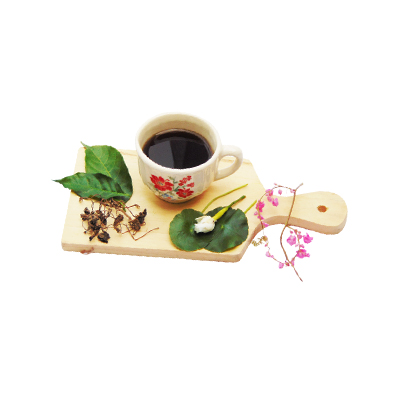
2. Fever
- Take 30 g kacapiring leaves, 30 g fresh gotu kola (15 g dried gotu kola).
- Wash all ingredients thoroughly then boil with 600 ml water until it boils and the water is reduced to 300 ml.
- Drink twice a day, 150 ml each time.
Reference Sources
- Tropical Plants Database, Ken Fern. tropical.theferns.info. Gardenia jasminoides. http://tropical.theferns.info/viewtropical.php?id=Gardenia+jasminoides 27-01-2021
- Health & Benefit Times. (No date). Facts and benefits of Cape jasmine. https://www.healthbenefitstimes.com/cape-jasmine/ on 02-02-2021.
- Lim, T. K. (2014). Edible Medicinal and Non Medicinal Plants: Vol. 8, Flowers. Springer. DOI 10.1007/978-94-017-8748-2_1. (pp.705-729).
- StuartXchange. (2016). Philippines Medicinal Plants. Gardenia jasminoides Ellis. http://www.stuartxchange.com/Rosal.html on 02-02-2021.
- Tanaman Kecapiring Yang Bekhasiat Tinggi. Nawasherbal. 16-04-2015. https://nawasherbal.wordpress.com/2015/04/16/tanaman-kacapiring-yang-berkhasiat-tinggi/. 14-08-2020
- Dalimartha Setiawan. 2008. 1001 Resep Herba: Batukl. Penebar Swadaya, Jakarta.