Grammatophyllum speciosum Blume
Summary
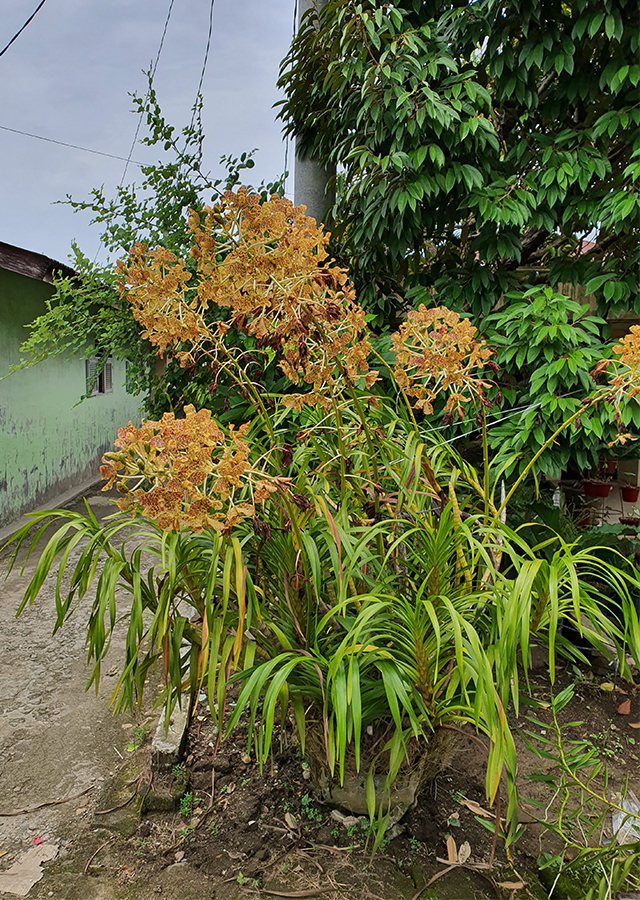
Anggrek tebu or 'Queen of Orchids' (Grammatophyllum speciosum) is a giant epiphytic orchid up to 7 meters tall from the Orchidaceae family, the largest and heaviest orchid species in the world, native to Southeast Asia. It is now protected by the Indonesian government as its population becomes increasingly rare due to forest conversion. The Papuan community traditionally uses anggrek tebu to treat cysts, while research shows its potential as a natural antidiabetic medicine.
Agroecology
Grammatophyllum speciosum is an epiphytic plant often found growing on the branches of large trees in tropical rainforests and tropical climate regions, at elevations up to 550 m asl. This species requires direct sunlight, but also succeeds in partial shade. The best temperature required by this species is 21°C at night and 27-30°C during the day. Dry weather can trigger mass flowering.
Morphology
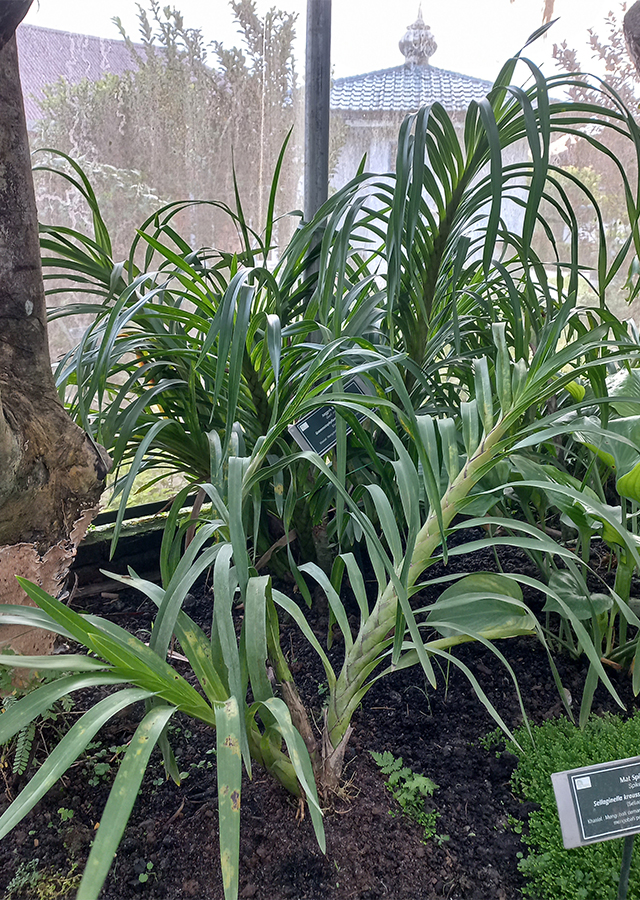
- Roots fibrous. There are two types of roots, namely thick (clinging) roots that grow downward/into the media and small roots that grow across the surface of the media.
- Stem thick, long and fleshy, jointed, pseudobulb-shaped. Sympodial growth type. Stem structure resembles a sugarcane plant.
- Leaves large, sessile, arranged in two rows, drooping from the base when old. Leaf blade linear, ribbon-like in shape, up to 35 cm long, thin, tapering and curving downward toward a sharp tip, margins entire, green.
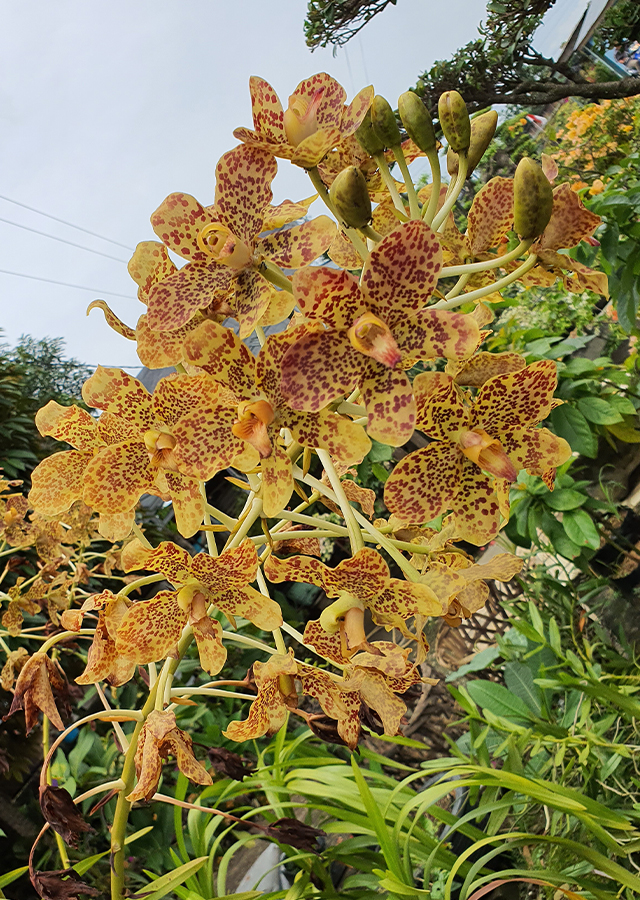
- Flowers large (up to 10 cm in diameter), borne on an elongated shoot from the base of the stem. Sepals and petals pale yellowish green with orange-brown spots, turning darker with age. Labellum (lip) yellow, three-lobed, with reddish brown veins on the side lobes and reddish brown markings on the middle lobe, disc adorned with three short protrusions. Flower stalk about 2 m tall and bears about 40 flowers (even more) that are long-lasting. Flowers fragrant.
- Fruit pear-shaped, brown when ripe.
- Seeds very small in size, numerous, and without endosperm (food reserve).
Cultivation
- Propagation is done in two ways, namely vegetatively (division or clump separation, tissue culture) and generatively (seed).
- Vegetative propagation by separating offshoots can produce offspring with the same genetic traits as the parent plant, but this method is impractical and the number of offshoots obtained is very limited. Meanwhile, propagation by tissue culture can produce uniform plants in large numbers and in a relatively short time.
- Best grown as an epiphyte, but can also be grown in soil or in large containers. To grow it as an epiphyte, it can be tied to the trunk of a large tree.
- Mature plants can flower every two to four years, with flowers lasting up to two months.
Chemical Content
Glucosyloxybenzyl derivatives, grammatophyllosides, cronupapin, vandateroside II, gastodin, vanilloloside, orcinol glucoside, and isovitexin.
Benefits
Treats snake bites, scorpion and centipede stings, treats myoma or cysts, hepatitis, expels intestinal worms, reduces fever, acts as a contraceptive, speeds up wound healing and cracked skin on the heels, boosts the immune system, relieves muscle pain, brightens skin, treats canker sores and bad breath. Has antidiabetic and antioxidant activity.
Local Names
Tiger orchid, Queen of orchids.
Traditional Recipes
The following recipes reflect traditional knowledge passed down through generations, not a substitute for professional medical diagnosis or advice. Consult a healthcare provider before use.
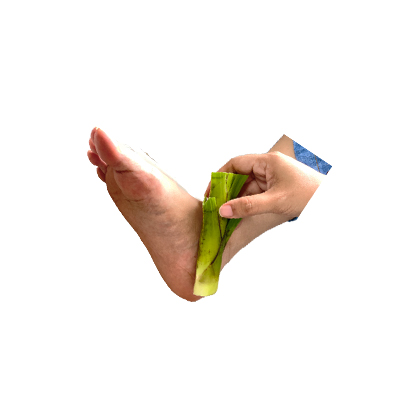
1. Treats cracked skin on the heels
- Take a stem of the anggrek kipas and wash until clean.
- Cut the round stem then apply to the heel to treat cracks.
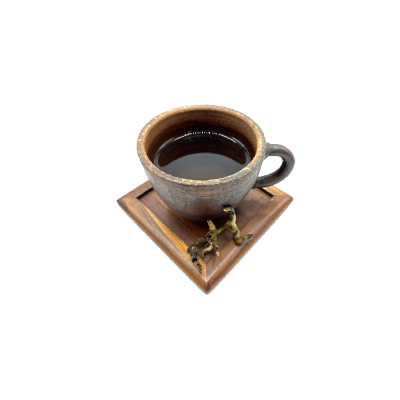
2. Hepatitis
- Take anggrek kipas root and wash until clean.
- Boil the root until it boils.
- Let it cool to warm/cold.
- Strain then drink.
Reference Sources
- Royal Botanic Gardens. 2021. Plants of the World Online: Grammatophyllum speciosum Blume. http://www.plantsoftheworldonline.org/taxon/urn:lsid:ipni.org:names:636310-1. 19-11-2021.
- Flora Fauna Web. 2021. Grammatophyllum speciosum. https://www.nparks.gov.sg/florafaunaweb/flora/2/0/2041. 19-11-2021.
- PROSEA. 2016. Grammatophyllum speciosum (PROSEA). https://uses.plantnet-project.org/en/Grammatophyllum_speciosum_(PROSEA). 19-11-2021.
- Harikarnpakdee S., Chowjarean V. 2018. Grammatophyllum speciosum Ethanolic Extract Promotes Wound Healing in Human Primary Fibroblast Cells. Hindawi, International Journal of Cell Biology.
- Gerry Y., Permatasari F., Dewi R. K. 2020. Keanekaragaman Anggrek di Taman Anggrek Badak LNG. ITS Press, Surabaya.
- Handini E., Aprilianti P., Handayani I., Yuniar. 2021. INVENTARISASI JENIS-JENIS ANGGREK BERPOTENSI OBAT KOLEKSI KEBUN RAYA BOGOR DAN UPAYA KONSERVASI SECARA IN VITRO. Warta Kebun Raya 19 (1).
- Wanaswara. 2021. Mengenal Anggrek Tebu, Anggrek Terbesar di Dunia. https://wanaswara.com/mengenal-anggrek-tebu-anggrek-terbesar-di-dunia/. 19-11-2021.
- K. Rungruchkanont, Y. Chatsuwan. Antioxidant and α-glucosidase inhibitor activities of Grammatophyllum speciosum Blume. ISHS Acta Horticulturae 1245. https://www.actahort.org/books/1245/1245_11.htm. 19-11-2021.