Guazuma ulmifolia Lam.
Summary
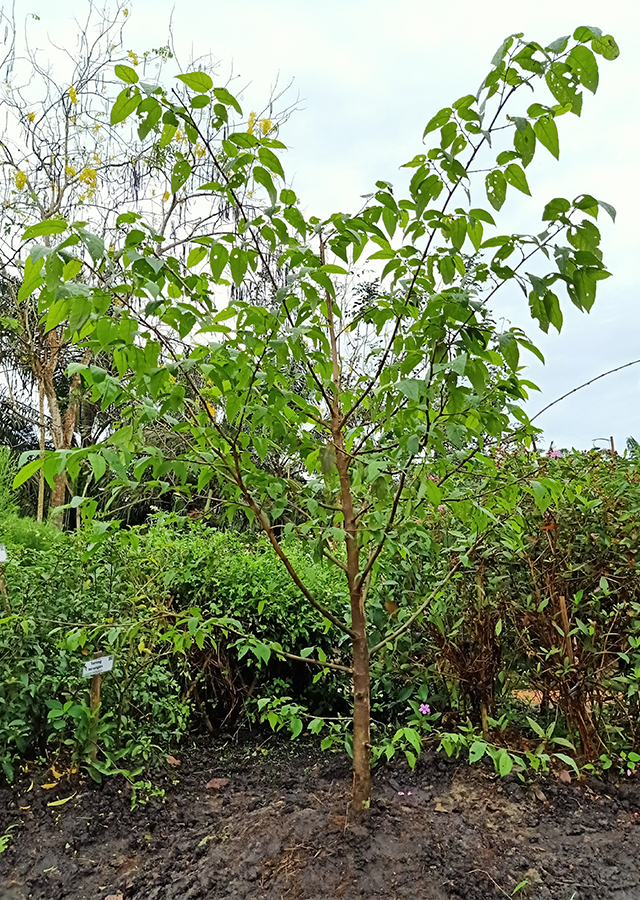
Jati belanda (Guazuma ulmifolia) is a tree 10-30 meters tall from the Malvaceae family that originates from South America, with a long history in modern herbal medicine there. In Indonesia, its leaves are popular as an ingredient in slimming tea, while its bark is used to address lung inflammation and hemorrhoids. Jati belanda is also traditionally believed to help heal dysentery and wounds.
Agroecology
Jati belanda thrives at elevations of 1-1,200 m asl. It grows best in areas where annual daytime temperatures are in the range of 22-32 °C, prefers an average annual rainfall in the range of 700-1,500 mm, and prefers a sunny position. This plant adapts to growing in alluvial and clay soils. Grows well in various soils but most commonly where pH is higher than 5.5. Prefers a pH in the range of 6-7, tolerating 5-7.5.
Morphology
- Roots taproot, brownish-white.
- Stem hard, round, rough surface, many grooves, woody, branched and greenish-white.
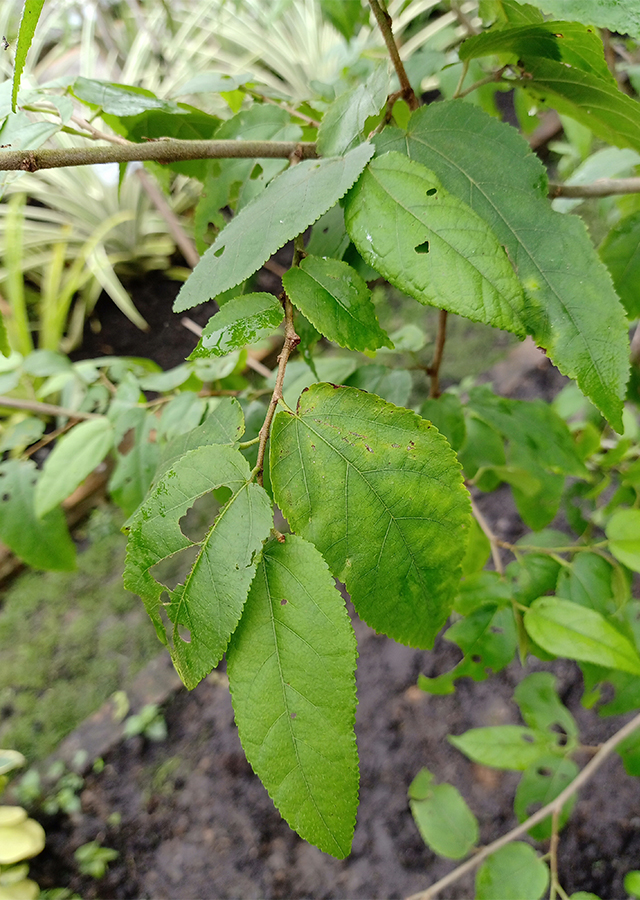
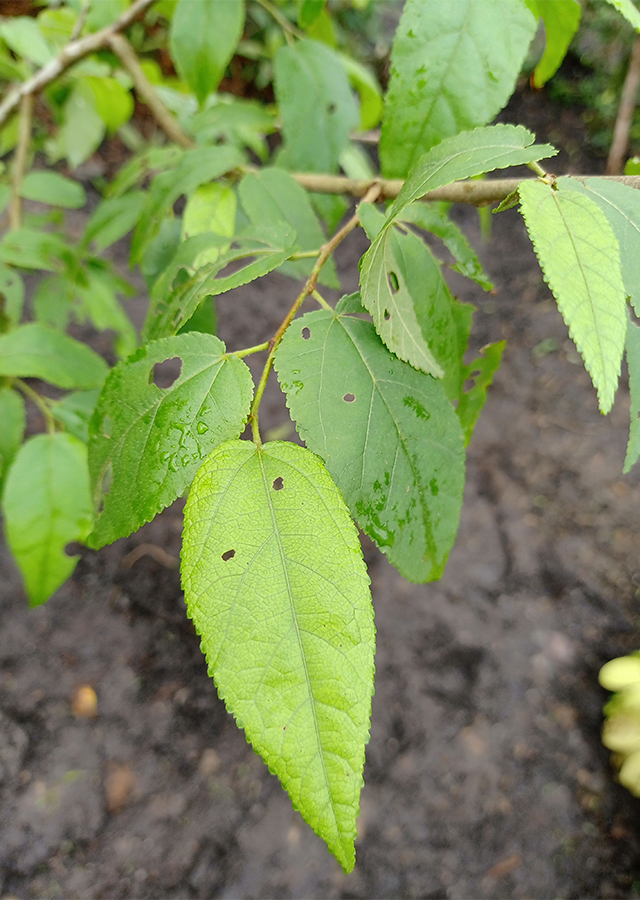
- Leaves oblong to broadly ovate, 4-16 cm long, with a pointed tip, rounded to heart-shaped base, and serrated margin.
- Flowers small, yellowish-green or whitish, sweetly scented, and located in the leaf axils.
- Fruit hard, a capsule, nearly round or oval, 2-3.5 cm in diameter, green when unripe and black when ripe.
- Seeds small, hard, 2.5 mm in diameter, brownish in color.
Cultivation
- Generative propagation using seeds. Propagation by seed requires scarification before planting. Pour boiling water over the seeds, let stand for 30 seconds, then drain. With fresh seed, germination occurs within 7-14 days at a rate of 60-80%. Seedlings are ready for planting once they reach a height of 30-40 cm (about 15 weeks). This plant can also be grown by direct sowing.
- Vegetative propagation by stem cuttings.
Chemical Content
Alkaloids, terpenoids, saponins, and steroids, acids (tartaric, kaurenoic, asparaginic), flavonoids (kaempferol, procyanidin B2, procyanidine B5, procyanidine C1), gum (xanthan gum), purines (theobromine, caffeine), tannins (catechin, colatannins), octacosanol, friedelin-3a, 3β-ol, β-sitosterol, friedelin, farnesol, taraxerol, colestin.
Benefits
Helps heal malaria, skin diseases (leprosy, acne, boils), syphilis, wounds, elephantiasis, chest diseases, bronchitis, diarrhea, dysentery, colds, coughs, bruises, a topical remedy for hair loss and baldness, healer for uterine fibroids, weight loss (slimming tea ingredient), lung inflammation, hemorrhoids, alopecia, fever, asthma, constipation, infections, bleeding, type 2 diabetes, has diuretic properties.
Simplisia
- Prepare jati belanda leaves as needed, wash with clean water, then drain to remove excess wash water.
- Slice at 1.5 cm width so drying occurs faster.
- Dry by air-drying in a place protected from sunlight.
- Blend the dried leaves into powder then sieve with a 60-mesh sieve.
- Store in a clean, airtight container.
Local Names
Jatos landi, Jati londa (Java).
Traditional Recipes
The following recipes reflect traditional knowledge passed down through generations, not a substitute for professional medical diagnosis or advice. Consult a healthcare provider before use.
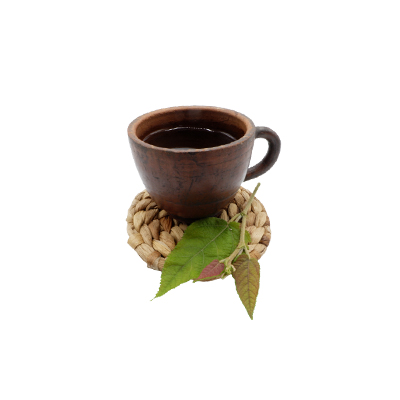
1. Dysentery
- Prepare jati belanda leaves as needed and wash until clean.
- Boil the leaves until boiling.
- Let stand until warm/cool.
- Strain and drink.
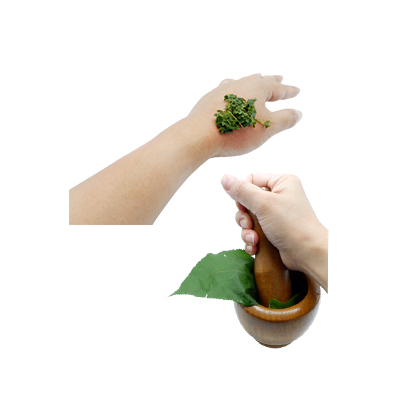
2. Wounds
- Take jati belanda leaves as needed and wash until clean.
- Mash the leaves into a paste.
- Apply the leaf paste to the wound.
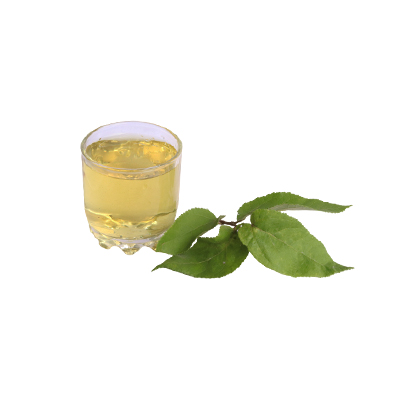
3. Lowering blood fat
- Take 7 downward shoot leaves of jati belanda.
- Boil with 3 glasses of water until boiling and reduced to 2 glasses of water.
- Drink twice a day (1 glass each).
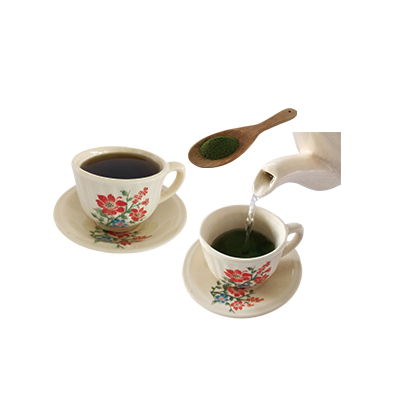
4. Slimming the body
- Use about 200 g of dried jati belanda leaf powder.
- Steep with 1 glass of hot boiled water, strain once cool.
- Drink twice a day, morning and evening.
Reference Sources
- Stuartxchange. 2021. Philippine Medicinal Plants: Guazuma ulmifolia Lam. BASTARD CEDAR. http://www.stuartxchange.org/Guazuma.html. 23-09-2021.
- Useful Tropical Plants. 2021. Guazuma ulmifolia. http://tropical.theferns.info/viewtropical.php?id=Guazuma+ulmifolia. 23-09-2021.