Hedychium flavescens Carey ex Roscoe
Summary
Gandasuli kuning (Hedychium flavescens) is a herb 1-3 meters tall from the Zingiberaceae family that originates from the eastern Himalayas, including Nepal and Assam. Its root extract is used as an emollient in commercial cosmetics, while its essential oil containing beta pinene has antimicrobial and anti-mosquito properties. In the Philippines, gandasuli kuning stem is traditionally used to treat tonsillitis.
Agroecology
Gandasuli kuning grows in humid tropical regions, where it can be found at elevations up to 2,000 m asl, sometimes up to 2,300 m asl, preferring areas with average annual rainfall in the range of 1,000-5,000 mm, average annual temperature of 11-20 °C. Originating from highlands, it can also tolerate colder temperatures if grown in a fully humid climate, and likes to grow in open environments filled with warm, humid light. Requires well-drained soil with moderate to high fertility.
Morphology
- Rhizome large, branching, thickly fleshy, 3.5 cm in diameter, and an upright leafy pseudostem 1-3 m tall.
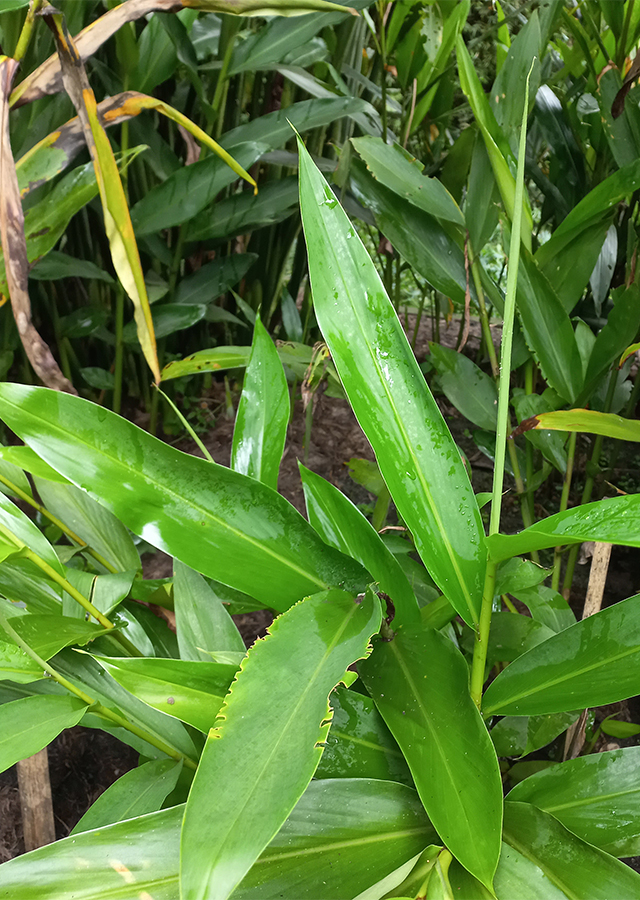
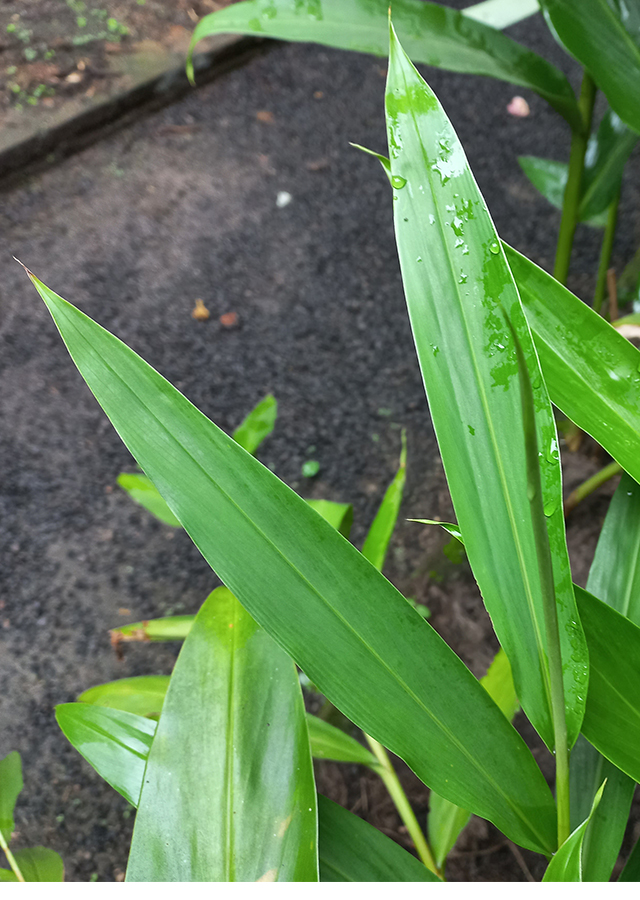
- Leaves stiff, green, sessile, oblong to lanceolate, up to 60 cm long, and 12 cm wide, pubescent (finely hairy) on the underside with a thinning base, membranous margin and a tail-like, tapering tip.
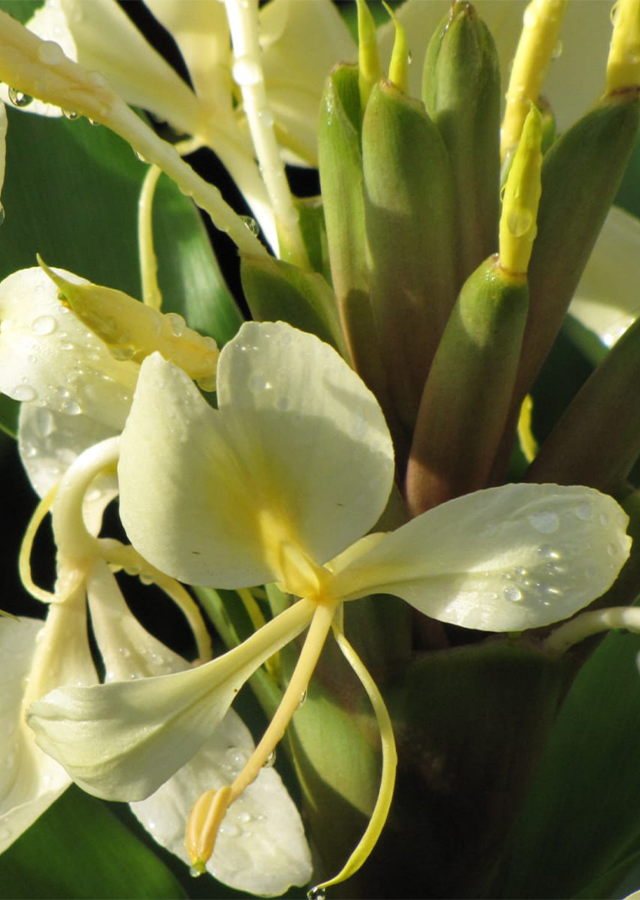
- Flowers creamy-white to pale yellow or yellow-white, cone-shaped within a raceme, fragrant with yellow stamens. Calyx 3.5-4 cm long, hairy, about half the length of the corolla tube and nearly as long as the bract, calyx split on 1 side, apical margin entire. Corolla tube 7-8.5 cm, long and slender. Its lobes linear, 3-3.5 cm long. Lateral staminodes wider than the corolla lobes. Flower lip upright, creamy yellow with an orange patch at the base, obcordate, longer than wide, and 2-lobed tip. Filament white to cream, subequaling the labellum. Upper anther protrudes slightly beyond the lip, ovary hairy. Stigma funnel-shaped, margin bearded.
- Fruit a round capsule 1-2 cm in diameter with three valves, containing many seeds but not seen in much of its invasive range.
Cultivation
Propagation generatively by seed (sometimes rarely formed) while vegetative propagation uses rhizome division.
Chemical Content
Cardiac glycosides, phenols, saponins, alkaloids, tannins, phlobatannins, terpenoids, pinene, sesquiterpenes.
Benefits
Treats tonsillitis, throat swelling, broken bones, fever-reducing remedy, antirheumatic, tonic, stimulant, skin infections, mouthwash for swollen throat and also drunk for bloated stomach, colic, hemorrhoids, chest tightness, cough, asthma, and bronchitis.
Local Names
No information found. Further research needed.
Traditional Recipes
The following recipes reflect traditional knowledge passed down through generations, not a substitute for professional medical diagnosis or advice. Consult a healthcare provider before use.
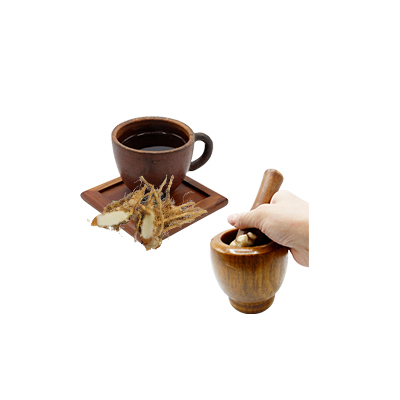
1. Mouthwash for swollen throat
- Wash gandasuli kuning rhizome until clean.
- Mash the tuber then squeeze and take the liquid.
- Boil the squeezed liquid until boiling and add a little salt.
- Let cool/warm then gargle.
2. Asthma
- Take gandasuli kuning rhizome and wash until clean.
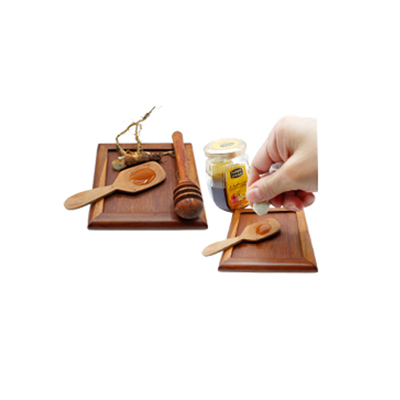
- Mash the tuber then squeeze and take the liquid, add a little honey.
- Drink.
Reference Sources
- Royal Botanic Gardens. 2021. Plants of the World Online: Hedychium flavescens Carey ex Roscoe. http://plantsoftheworldonline.org/taxon/urn:lsid:ipni.org:names:796848-1. 28-09-2021.
- CAB International. 2019. Hedychium flavescens (wild ginger). https://www.cabi.org/isc/datasheet/107733. 28-09-2021.
- Flora Fauna Web. 2021. Hedychium flavescens. https://www.nparks.gov.sg/florafaunaweb/flora/8/1/8103. 28-09-2021.
- Useful Tropical Plants. 2021. Hedychium flavescens. http://tropical.theferns.info/viewtropical.php?id=Hedychium+flavescens. 28-09-2021.