Hibiscus rosa-sinensis L.
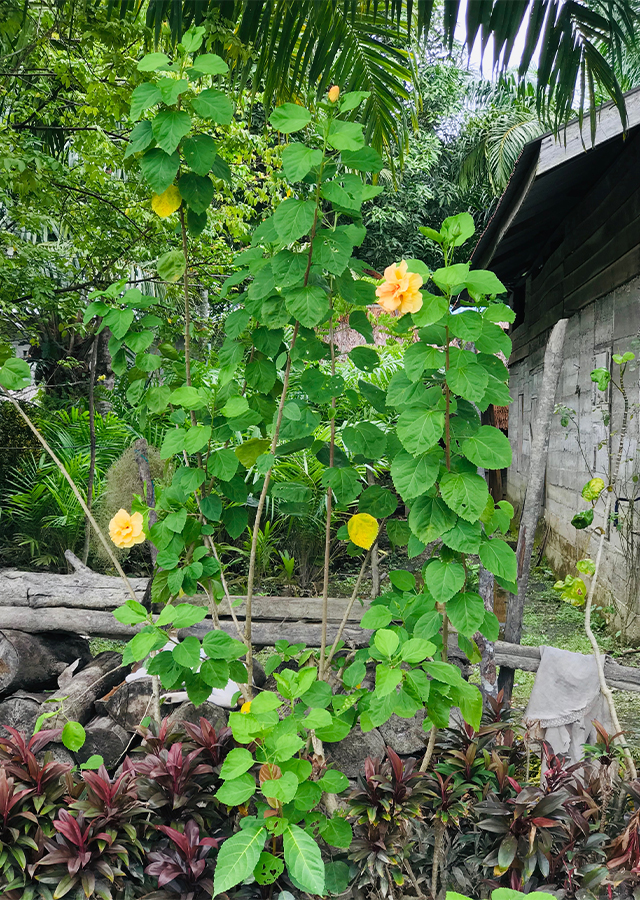
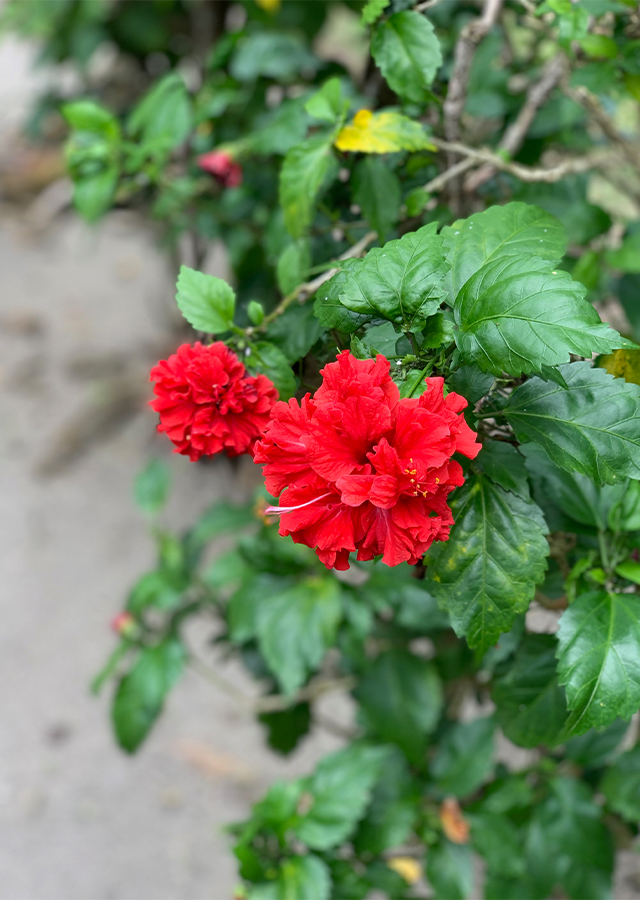
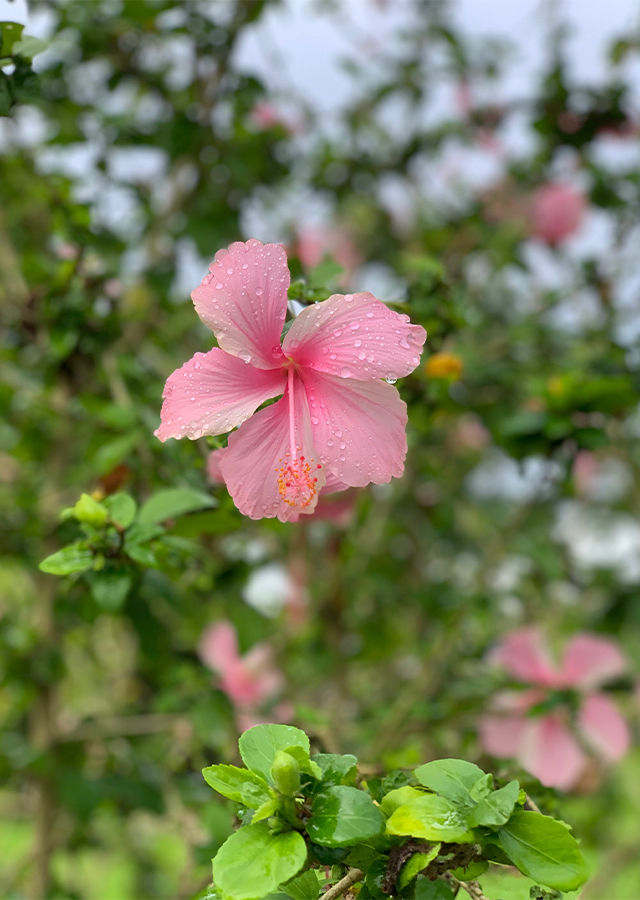
Summary
Bunga sepatu (Hibiscus rosa-sinensis) is a shrub 3-8 meters tall of the Malvaceae family, thought to originate from East Africa, nicknamed the 'shoe flower' because it was once used to polish shoes to a shine. Now cultivated worldwide as an ornamental and yard hedge. Traditionally, bunga sepatu is also believed to help control diabetes mellitus and be antihypertensive.
Agroecology
Grows well in lowlands up to 1,300 m above sea level. Prefers open places, adequate sunlight, ideal air temperature 22-32°C, sandy clay soil type, loose, humus-containing, well-drained. Air humidity between 50-90%. Rainfall 1,500-2,500 mm/year.
Morphology
- Roots taproot, light brown in color.
- Stem round, hard-textured wood, heavily branched, ± 9 cm diameter, purple when young turning dirty white when mature.
- Leaves green, single, spirally arranged (spread out), egg-shaped with serrated edges, tapering leaf tip, pinnate venation, has stipules.
- Flowers single emerging from leaf axils, consisting of five petals arranged trumpet-shaped. Petal blade single or double.
- Seeds small, brown to black and hairy.
Cultivation
- Propagated through seed, stem cuttings and air-layering.
- For air-layering, choose a straight stem with a diameter of approximately 5 cm.
Chemical Content
Flavonoids, polyphenols, anthocyanins, cyanidin-diglucoside, hibiscetin, saponins, calcium oxalate, cardiac glycosides, taraxeryl acetate, peroxidase.
Benefits
Diabetes mellitus remedy, laxative, antihypertensive, anticancer, antidiarrheal, anti-infertility, kidney disorders, boosts sexual desire, addresses menstrual disorders, fever, heals wounds, fever, tuberculosis.
Simplisia
- Pick fresh leaves then wash thoroughly using running water.
- Slice the leaves finely, dry in a shaded place.
- Grind the dried material using a blender into powder form.
- Store in a closed, clean container.
Local Names
Bungong roja (Aceh), Soma-soma (Nias), Kembang wera (Sunda), Ulange (Gorontalo), Bunga bisu (Bugis), Bala bunga (Tidore).
Traditional Recipes
The following recipes reflect traditional knowledge passed down through generations, not a substitute for professional medical diagnosis or advice. Consult a healthcare provider before use.
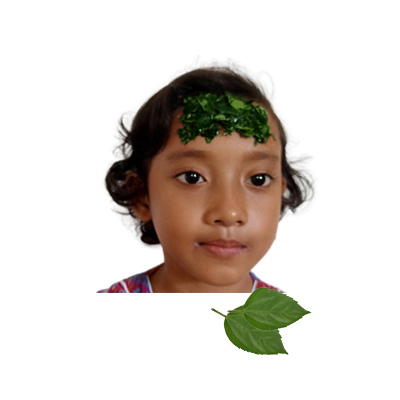
1. Fever
- Knead or pound 7 bunga sepatu leaves with a little water then compress onto the forehead.
- Use 3 times a day.
- If after 7 uses the fever does not subside, it can be replaced with another traditional remedy.
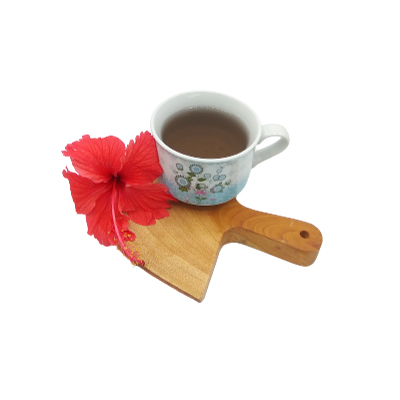
2. Whooping Cough
- Take 2 bunga sepatu blooms, a teaspoon-tip of salt and 200 ml boiled water.
- Wash the flowers thoroughly and pound until fine then put into a container.
- Add boiled water and salt. Squeeze/strain and collect the liquid
- Drink the liquid all at once, do this twice a day.
Reference Sources
- Tropical Plants Database, Ken Fern. tropical.theferns.info. Hibiscus rosa-sinensis. http://tropical.theferns.info/viewtropical.php?id=Hibiscus+rosa-sinensis 20-01-2021
- Falade OS, Mutalib A, Aderogba, Kehinde O, Bola AA, Oyedapo BO, Adewusi SR. 2009. Studies on the chemical constituents, antioxidants and membrane stability activities of Hibiscus rosa sinensis. Nig. J. Nat. Prod. and Med. 13: 58-64.
- Garg D, Shaikh A, Muley A, Marar T. 2012. In-vitro antioxidant activity and phytochemical analysis in extracts of Hibiscus rosa-sinensis stem and leaves. Free Rad. Antiox. 2(3): 41-46
- Kinho J, Arini DID, Tabba S, Kama H, Kafiar Y, shabri S, Karundeng MC. 2011. Tumbuhan obat tradisional di Sulawesi Utara jilid 1. Balai Penelitian Kehutanan Manado, Kementrian Kehutanan.
- Prosea. 2016. Hibiscus rosa sinensis. https://uses.plantnet-project.org/en/Hibiscus_rosa-sinensis (PROSEA) 12-06-2020
- Ruban P, Gajalakshmi K. 2012. In vitro antibacterial activity of Hibiscus rosa-sinensis flower extract against human pathogens. Asian Pacific Journal of Tropical Biomedicine : 399-403
- Silalahi M. 2019. Hibiscus rosa-sinensis L. dan Bioaktivitasnya. Jurnal Edu Mat Sains 3(2): 133-146
- Vastrad JV, Byadgi A. 2018. Phytochemical screening and antibacterial activity of Hibiscus rosa-sinensis leaf extracts. J Curr. Microbiol. App. Sci. 7(3): 3329-3337.
- Missoum A. 2018. An update review on Hibiscus rosa sinensis phytochemistry and medicinal uses. J Ayu Herb Med. 4(3):135-146
- Halimun. 2008. Tumbuhan Obat Halimun: Demam. Kelompok Masyarakat Desa Simasari. Yayasan Peduli Konservasi Alam Indonesia.
- Wijaya C. 2018. Resep Herbal Batuk Rejan untuk Ringankan Batuk yang Menyiksa. https://www.deherba.com/resep-herbal-batuk-rejan.html 28-05-2020.