Hibiscus tiliaceus L.
Summary
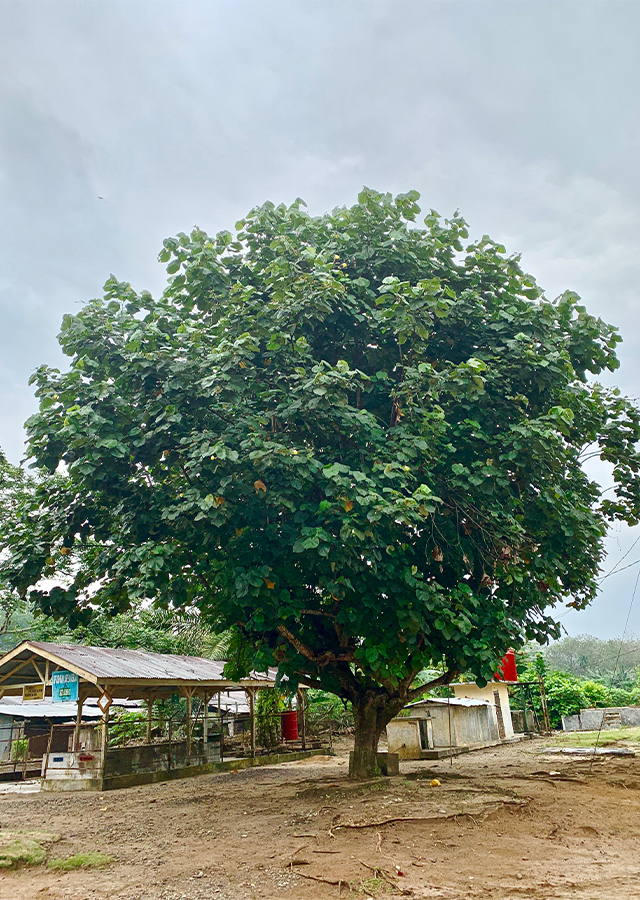
Waru (Hibiscus tiliaceus) is a tree 5-10 meters tall of the Malvaceae family that grows along the coasts of the Indian Ocean, from East Africa to Australia. This tree has long been known as a shade plant along roadsides and beaches, while its young leaves are commonly used as a tempeh wrapper. Waru is also traditionally believed to help hair growth and relieve fever.
Agroecology
A tropical plant commonly found along beaches at elevations up to 800 m above sea level. Grows well with annual rainfall of 900-2,500 mm/year, average temperature 24-41°C. Prefers full sunlight intensity, fertile soil pH 5-8.5 with high humidity.
Morphology
- Stem up to 15 m tall, stem diameter 40-50 cm, branching brown in color.
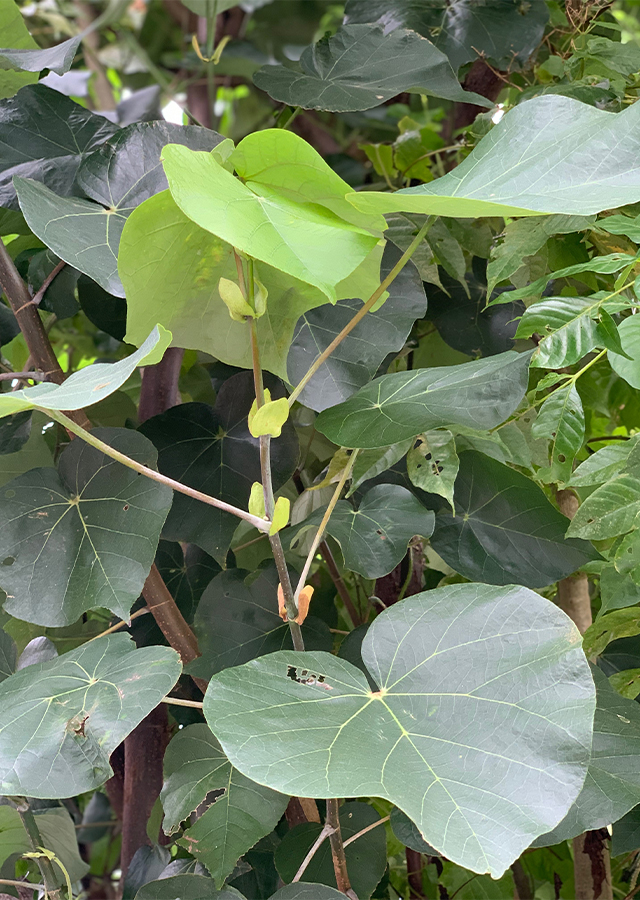
- Leaves single, stalked, heart-shaped, not lobed, diameter less than 19 cm, palmate, hairy underside.
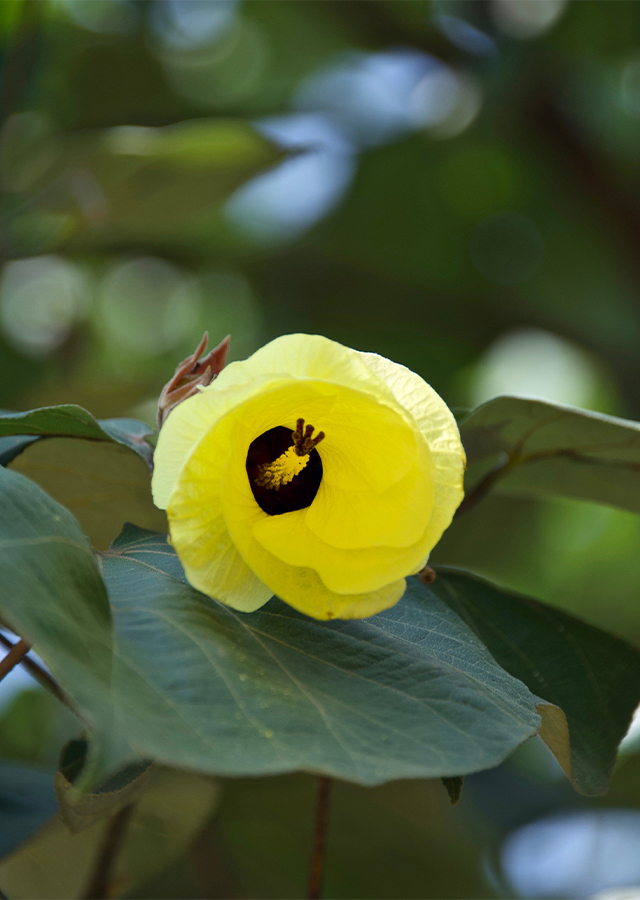
- Flowers single, 8-11 lobed, yellow in color. Calyx length 2.5 cm. Petals fan-shaped, 5-7 cm long, yellow with a spot at the base, yellow anthers.
- Fruit ovary 5-chambered, each chamber divided in two by a false septum, egg-shaped with a short beak with 5 valves, containing many seeds
Cultivation
- Propagated by seed and stem cuttings.
- Stem cuttings are done by selecting young twigs, cutting 10-15 cm below the bud eye then planting in a polybag.
Chemical Content
Flavonoids, tannins, vanillin, syriacusin A, hibiscolactone, fumaric acid, azelaic acid, succinic acid, rutin, stigmasterol, friedelin, pachysandiol, glutinol, lupeol, β-sitosterol.
Benefits
Fever remedy, cough, diarrhea, tonsils, trachoma, eye inflammation, boils, colds, helps hair growth, addresses delayed menstruation.
Simplisia
- Wash waru flowers thoroughly of attached dirt with running water.
- Place in a clean flat container, space the flowers apart so they don't pile up.
- Dry in the sun covered with a thin black cloth until completely dry.
- Store the dried waru flowers in a clean glass bottle then close tightly and place away from heat.
Local Names
Siron, Buluh, Bou, Tob, Melanding (Sumatra), Dadap laut (Pontianak), Waru laut, Waru lot, Waru lenga (Java), Wau, Kabaru, Fau (Nusa Tenggara), Papatale, Haru, Balo (Maluku), Lamogu, Molowagu (Sulawesi), Kasyanaf, Wakati (Papua).
Traditional Recipes
The following recipes reflect traditional knowledge passed down through generations, not a substitute for professional medical diagnosis or advice. Consult a healthcare provider before use.
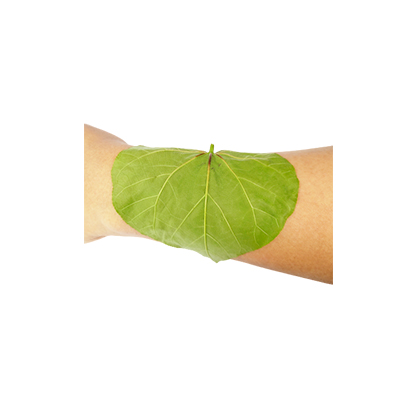
1. Boil Remedy
- Pick several fresh leaves then wash thoroughly.
- Knead or let wilt
- Apply on top of the boil.
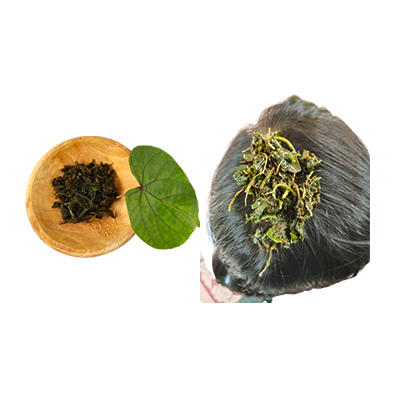
2. Hair Growth Promoter
- Pick several fresh young leaves then wash thoroughly.
- Knead the leaves then apply to the scalp and hair.
- Leave for a while then shampoo thoroughly.
Reference Sources
- National Parks. Flora & Fauna Web. Hibiscus tiliaceus L. https://www.nparks.gov.sg/florafaunaweb/flora/2/9/2954.15-01-2021.
- S Suwandi dan H Rina L. 2014. Perbanyakan Vegetatif Dan Penanaman Waru (Hibiscus tiliaceus): untuk kerajinan dan obat (obat bisul dan penyubur Rambut). IPB Press https://www.forda-mof.org/files/buku_11_Waru.pdf. 30-10-2020.
- Stuartxchange. Philippine Medicinal Plants. Malabago. http://www.stuartxchange.com/Malabago.html.15-01-2021.